
Category: Travel Blog

Terracotta Army Museum, Xian, China

Terracotta Army Museum, Xian, China

In 2014 while in China, we visited Xian, a legendary city. We chose a guided tour with a wonderful, English-speaking guide, Magie. We didn’t have as much freedom as independent travelers may have, but it was the best way for us.  Everything was planned down to the nitty-gritty of must-see sites and must-eat foods. We visited the most beautiful sites and ate authentic Chinese food in five-star restaurants.

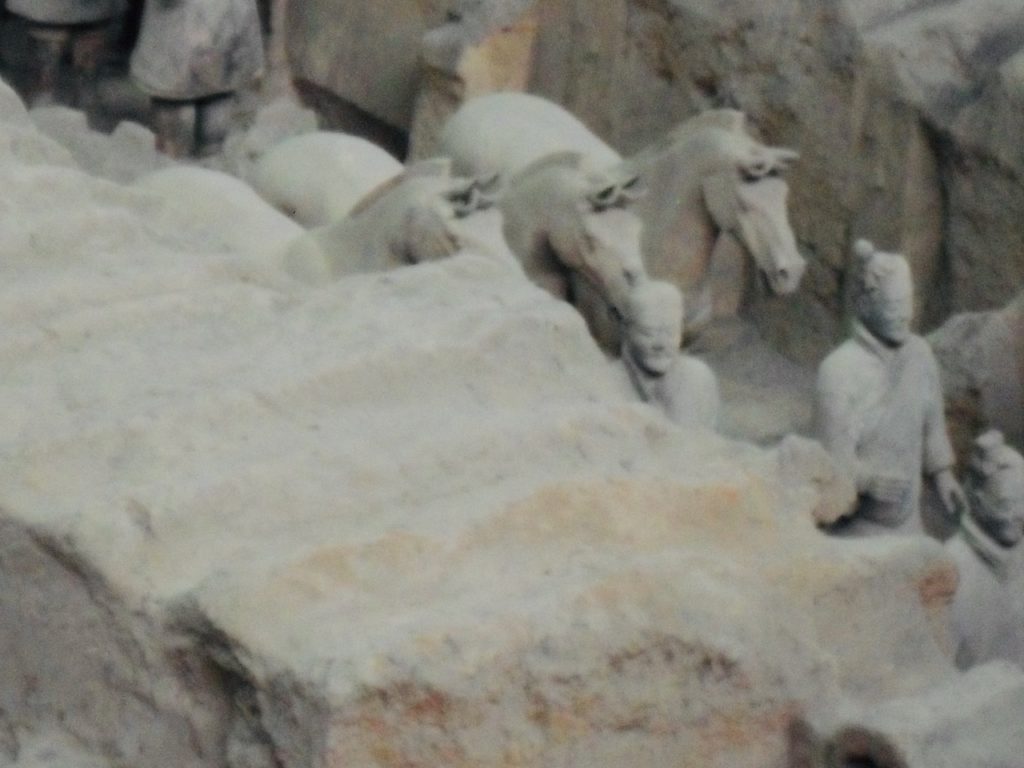
After three days in Beijing, we went to Xian. On our first day there, we visited Xingquing park and had a great cultural experience and a lot of fun. After one night’s stay, we departed for Terracotta Army Museum at 8am by our tour bus to get there early. It is one of the sought-after and considered to be the greatest tourist site in the world.  It is a huge facility of several buildings housing the museums. Stepping inside was an amazing experience. It had such an impact to see a sculpted army of soldiers made of terracotta, all facing forward down in the trenches, each with very detailed uniform and unique facial features.  Each warrior looks different because thousands of artisans hand carved each clay molded figure giving them their own individual interpretation.  According to the information given, there are 8000 terracotta warriors and horses, but less than 2000 are on display. Their height varies according to their position in the army. An average soldier is 6 feet tall, while the Generals are over 8 feet tall. The figures dating from the third century BCE were molded with yellow earth, which has an adhesive quality and plasticity. The earth was ground to remove impurities. Then grit was added to strengthen its properties.
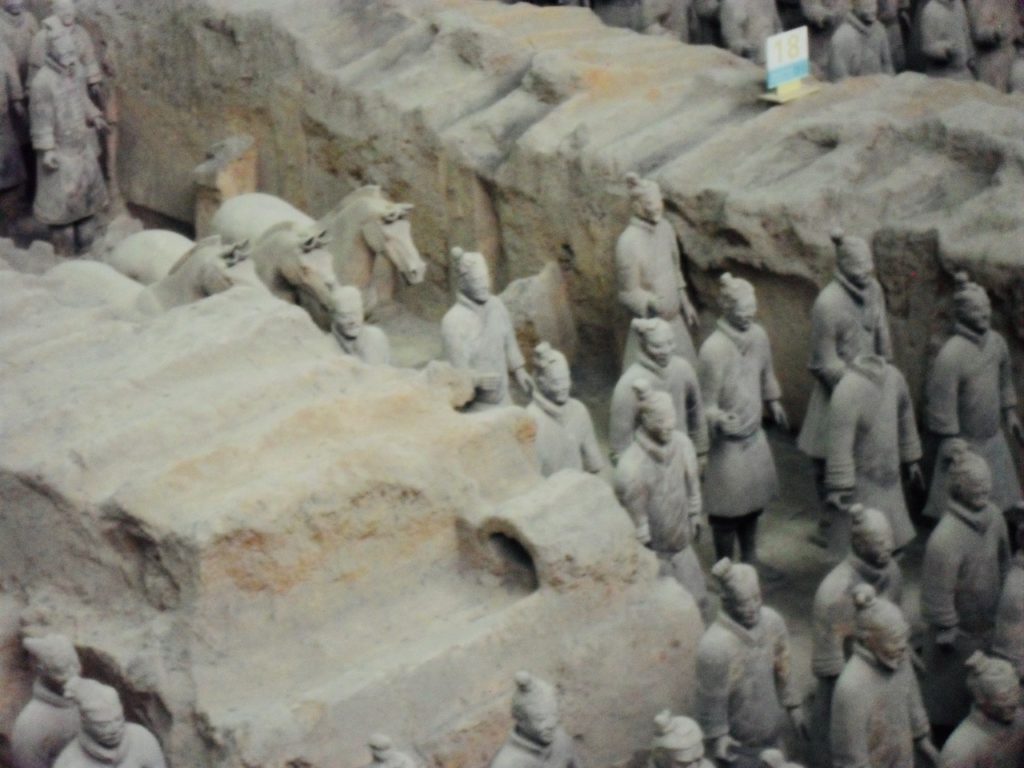
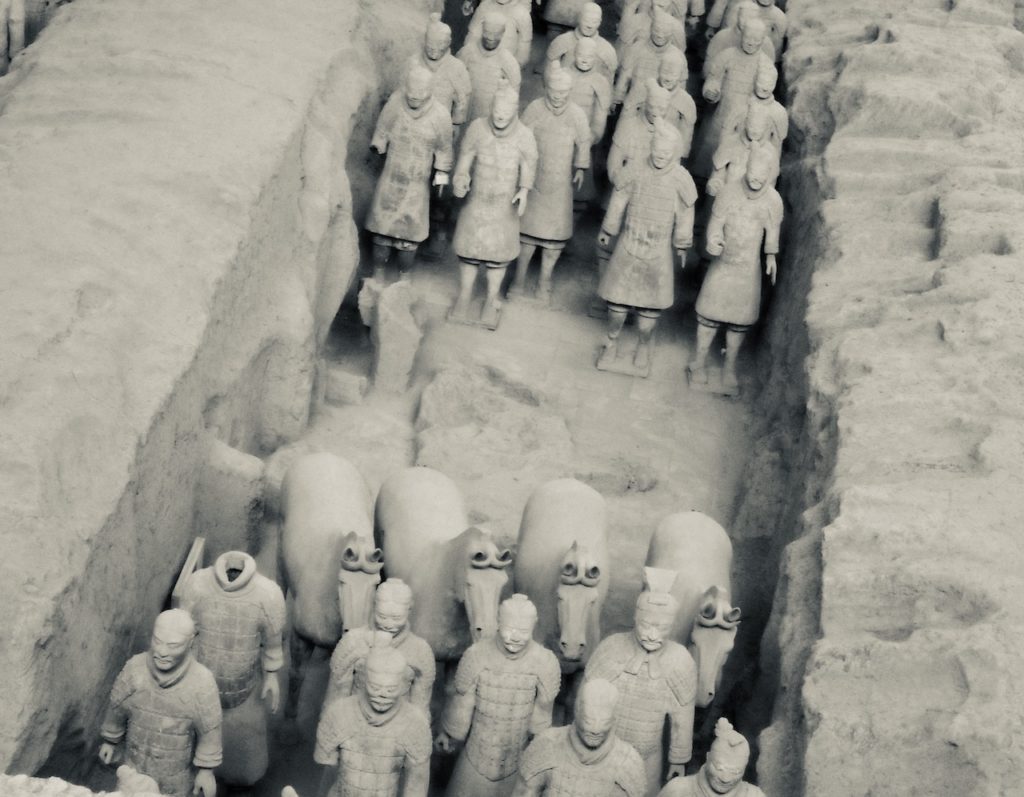
Soldiers and Horses

These life-size pottery figures were constructed by millions of laborers under the emperor’s order, Qin Shi Huang.  The construction process involved the construction of his mausoleum together with the underground army and lasted around 40 years. 210-209 BCE (Before Christ Era). The purpose of the terracotta army was to protect the emperor in his afterlife. 

Excavation and restoration were still going on in 2 of the 3 vaults. Some of the soldiers were without heads. Research indicates that all the body parts were created separately and then assembled. It is believed that heads and arms were produced in molds as separate pieces. Finer details were worked on by the artists after applying clay to the surface of the sculpture. Once ready, they were fired in kilns to make them hard and long-lasting. Bright colors were applied to make them unique. But it was disturbing to find out that all the craftsmen who sculpted these soldiers were killed as soon as they completed their work to keep the gate entrance to the mausoleum a secret and prevent the art from passing to later generations. It was a great learning experience.

This visit allowed us to learn about China’s military development in the Qin Dynasty (221-207). It was interesting to know the emperor’s belief that people could enjoy their possessions and wealth even when they were dead, something which held particular significance and meaning for the ancient Egyptians, yet those two countries had no contacts.

Furthermore, it reveals the ancient funeral art of making highly skillful sculptures which the Chinese mastered thousands of years ago. Most of all, this information provides insight and material for studying ancient Chinese civilization and its effect on the civilizations in general.

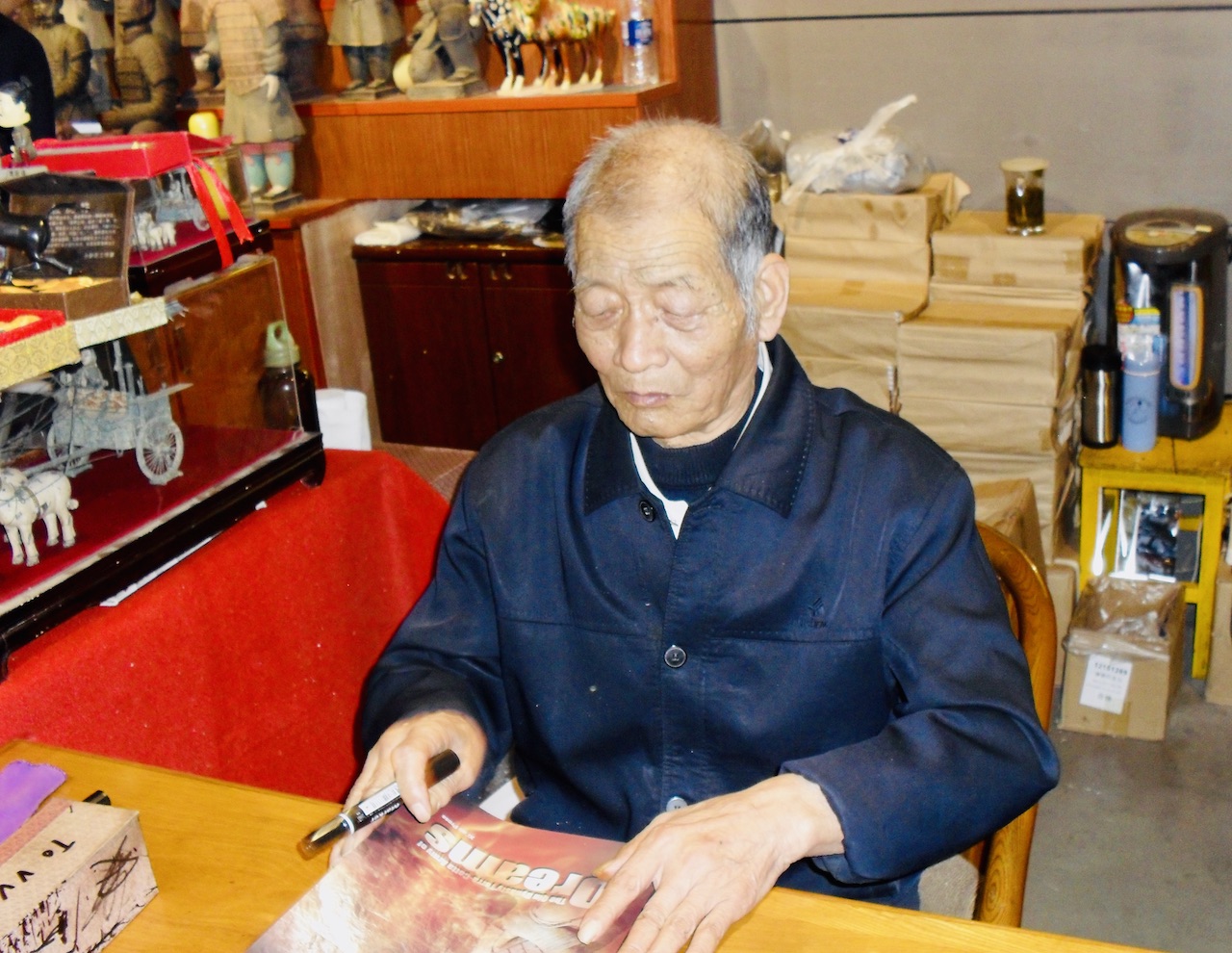
The site was discovered on March 29th, 1974. It is located about 1 kilometer from the emperor’s tomb and was buried under five meters of earth. On the farm, one of the well-diggers, Yang Zhifa, accidentally dug out ahead of a terracotta warrior with his hoe. When the museum opened in 1979, yang Zhifa became the first book signer in the museum book store as the discoverer of the Terracotta Army.  In June 1998, he signed and presented a book to the former American president, Bill Clinton.  Now 87 years old, Yang Zhifa was still working when we visited in October 2014. We were lucky enough to meet him.
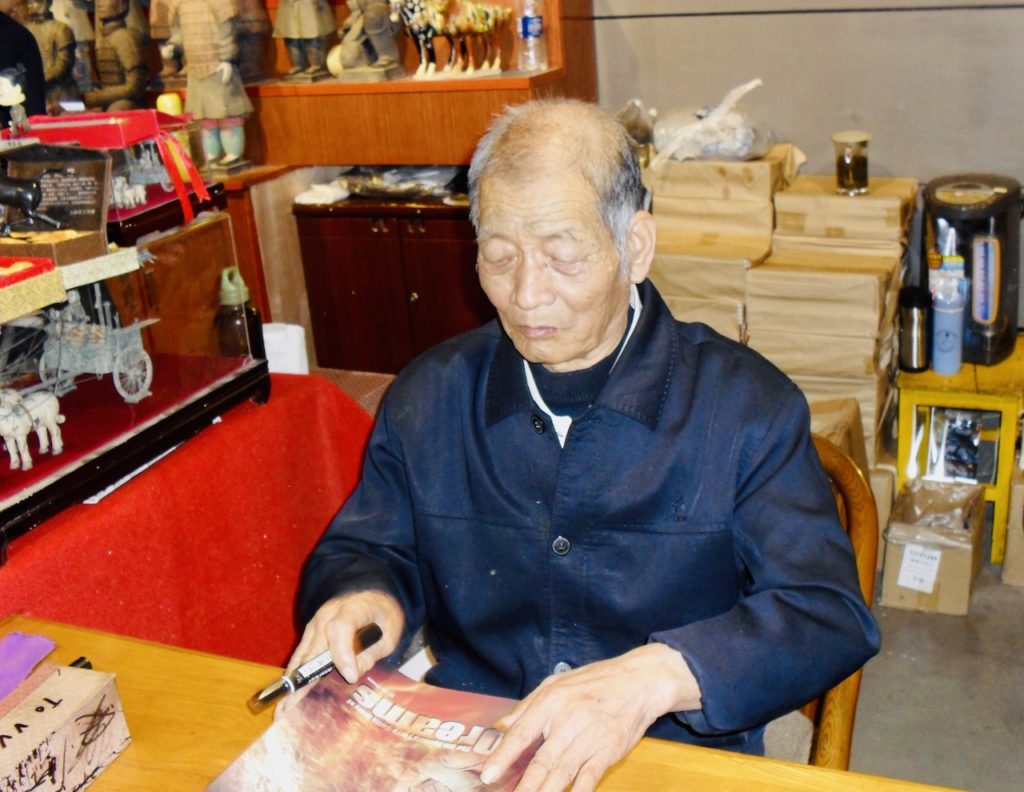
The impact of this visit on my senses is indescribable. I did not even know what we would see or what Terracotta meant until I found out that it is an Italian word meaning baked earth. They created baked clay figures of a whole army in which each soldier was astonishingly and meticulously crafted. To actually witness this magnificent, massive, and incomprehensible wonder was mind-blowing. I don’t even know if I can describe what I saw in a credible way that others could understand. Even more astounding was the fact that the emperor, at the early age of 13, was planning his own burial with all his treasures, not to mention the whole army. This was a day full of surprises and a visual journey with emotional overload.

After spending a few hours at the museum, we left and headed back into Xi’an to have lunch.  We had a delicious meal where they served kung pao chicken, cabbage, and other dishes made with Schwan pepper. Its taste or tingling sensation in your mouth grows on you and is great fun to eat. 
Salzburg, Austria

Mozart’s Statue, Salzburg

From Vienna, we set out for Salzburg. I am delighted to share the excitement I felt when in Salzburg. It was great to be in a town, the birthplace of Wolfgang Amadeus Mozart, the greatest composer, ever lived, and the filming location for my favorite movie, “Sound of Music.” Salzburg river divides the city of Salzburg into the Alstadt and Neustadt (old and new town).

We walked over to the historic district, a bustling pedestrian street at the heart of the town where Geburthaus (Mozart’s Birthplace) is located. What made it more exciting was that this compact town had all the attractions within walking distance. Geburhaus was converted into a museum, and it showcases Mozart’s life from a child prodigy to a world-famous composer.

Geburthaus (Mozart’s Birthplace)
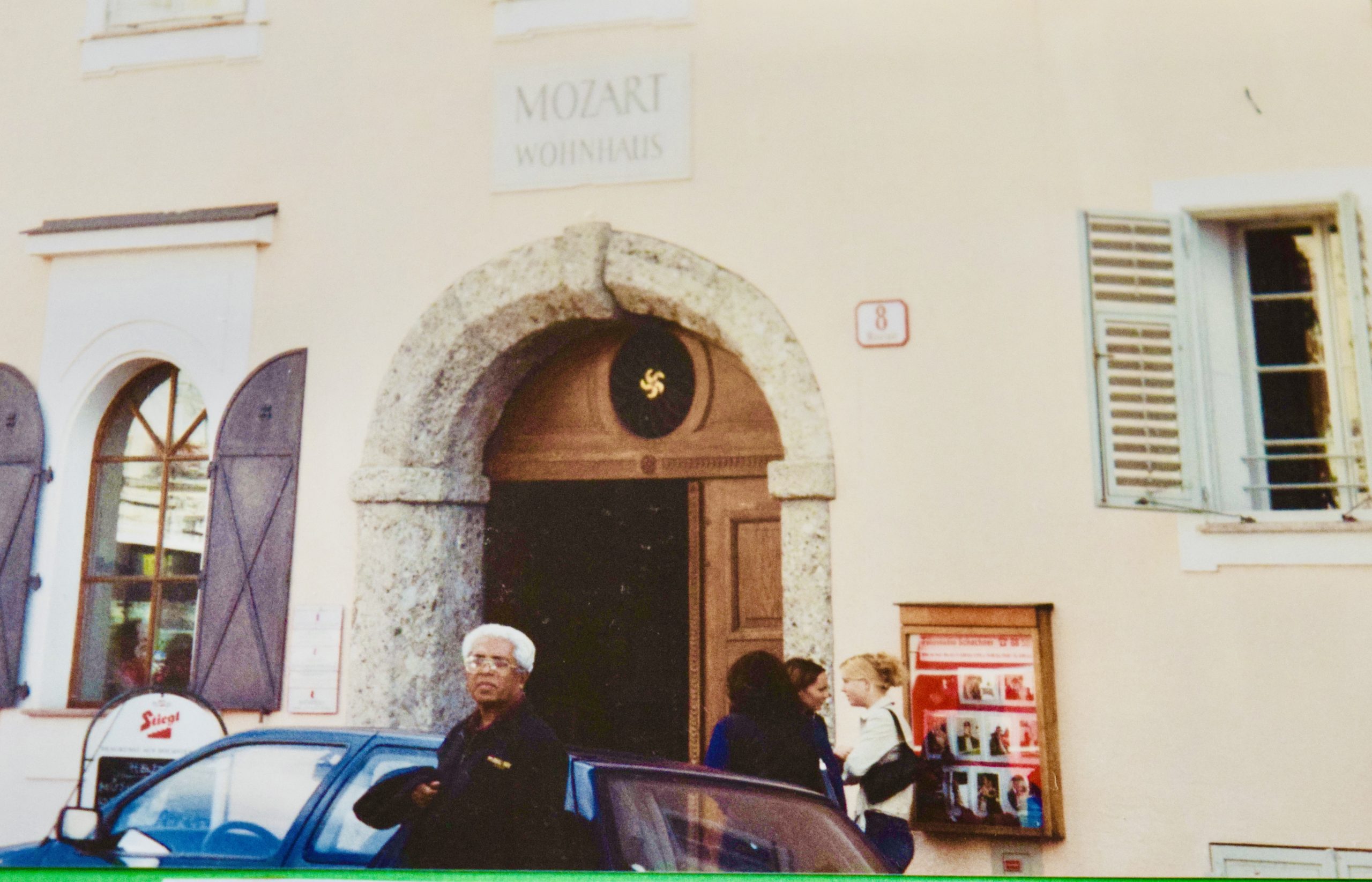
Wohnhaus (Mozart’s Residence)

Mozart lived at this address from 1773 to 1787.

Hoenssalzburg Fortress

Seen above is Hohensalzburg Fortress, which was built in 1077, long before any technological know-how. The building work was completed in the 17th century. The Fortress is Salzburg’s landmark and also the largest preserved citadel in central Europe.

Dom Cathedral on Domplatz, Salzburg

Dom Cathedral on Domplatz has three bronze doors symbolizing faith, hope, and charity. It is a beautiful Palaza, and its special feature is that it is surrounded by three or four different plazas. One of these is Mozart Plaza which houses a huge statue of Mozart, as shown above.

Linzer Gasse

We visited the last place in Salzburg for a day trip was Linzer Gasse, the main pedestrian artery. It is a busy road in Salzburg flanked by medieval buildings. Its name stems from the fact that once it was the main road between Salzburg and Linz in Austria. During the past few years, this little thoroughfare has developed into a fascinating shopping street.

Our day trip to Salzburg was phenomenal. We returned to Vienna for the night with a plan to leave for Prague, Czech Republic, the following day. More To Come.

Vienna, Austria

We came to Vienna from Budapest. We had heard and knew a lot about Vienna. In this post, I will share with you the beauty of Vienna, as we saw it, through my amateur photography. I hope that it will be inspirational enough to make you plan a visit there.

The first thing we did was to book an apartment online instead of staying in impersonal hotel rooms. It was an interesting travel experience because though we were away from home, we felt at home. The location was near public transportation, within walking distance of many tourist attractions, and a shopping and eating area.

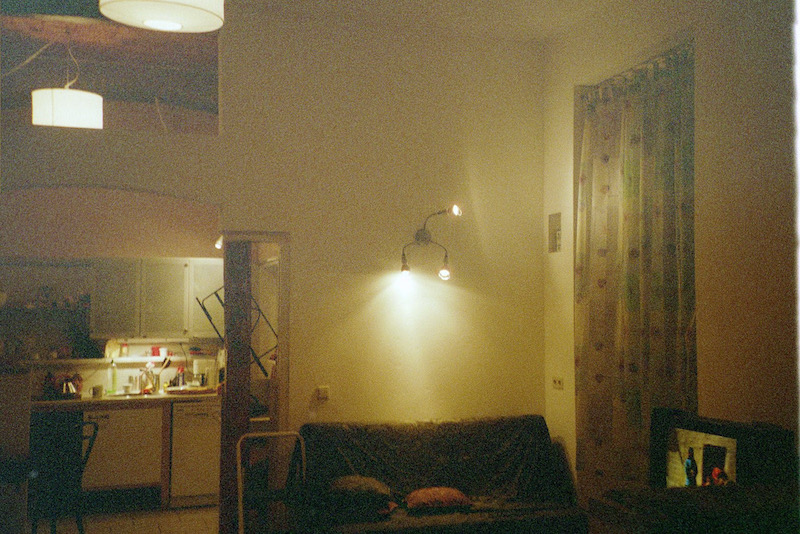
Marijan Uzlec, the landlord of the apartment, is a caring, generous and helpful person. We have kept in touch with him for the last 17 years. He owns two apartments in a centrally located building. He lived in one apartment and the other self-catered one he used as a rental property. He immediately made us feel at home. A finely decorated and carefully furnished, the comfortable apartment had everything one could wish for. Much thought had gone into designing and furnishing it for optimal use. We fell in love with the decor (especially the window treatment with decorative textile) so much that we used some of the features in our apartment in India. The pantry was fully loaded, and we had permission to use whatever we needed. His collection of books was pretty impressive also. He even had copies of classic English literature. I found one of my favorite authors, Thomas Hardy’s Tess ofd’urberville, which I read while there.

Here are some of the Historic Building Pictures I took while visiting Vienna.

Hofburg palace, Vienna

Hofburg was a palace for Habsburg dynasty rulers and an official residence and workplace for the President of Austria. This opulent building is located in the center of Vienna and was built in the 13th century. Since, it has been expanded, renovated, and changed several times.

Greek Revival style Parliament Building with Athena statue

The Parliament Building in Vienna is where the two houses of the Austrian Parliament conduct their sessions. The building is located near Hofburg Palace and the Palace of Justice. All important state ceremonies, such as the swearing-in of the President of Austria and the National-Day speech on October 26 every year, are held in the Parliament building.

St. Stephen’s Cathedral, Vienna

This Gothic Masterpiece has latticework spires. Inside there are catacombs that have the remains of the Hapsburgs.

Neo-Gothic Rathaus (City Hall), Vienna

Neo-Gothic Rathaus (City Hall), a majestic building, is the seat of local government in Vienna. It looks down onto a central square and a park alongside Vienna’s main boulevard.

Judenplatz Memorial for Holocaust victims

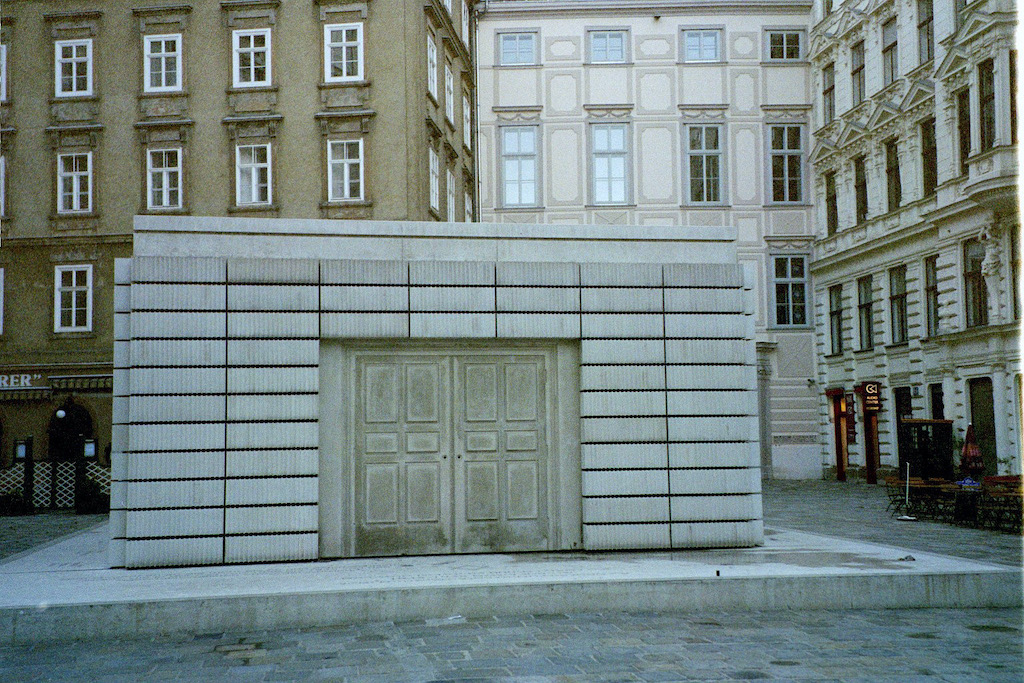
Holocaust Memorial in Judenplatz, Vienna, designed by British artist Rachel Whiteread’s was dedicated in Vienna on October 25, 2000, despite the rancor that had caused four years of delays. In the end, the memorial was embraced by former opponents.

The blocky concrete structure resembles an inside-out library, with the imprints of rows of books lining the outer walls. Inscribed around the base are the names of Concentration Camps. The work’s facade bears German, Hebrew, and English dedication to the 65,000 Austrian Jews killed in the Holocaust.

Located in the middle of Judenplatz ( a town square in Vienna’s inner Stadt (city) that was the center of Jewish life and the Viennese Jewish Community in the Middle Ages), the memorial rests over the remnants of a synagogue that was burned down in 1421. Construction was held up by opposition from all sides: local residents protested that the structure was ugly, would take away their parking spaces, and would attract trouble; the Jewish community complained, saying that it played on stereotypes of Jews being “People of the Book”; Jorg Haider’s right-wing Freedom Party simply didn’t want it. , After the Synagogue was excavated, organizers decided to incorporate the ruins into the overall project. They shifted Whiteread’s monument by several feet so that it would not be above the site of the synagogue’s bimah, the rostrum where the scroll of the Torah is read, which Jewish law forbids.

Plague Column, Vienna

There was a plague epidemic in Vienna in 1679. During the epidemic, Hapsburg emperor, Leopold1 promised to build a mercy column if the plague should end as a sign of his faith in God. The column was built and inaugurated in 1694 and is a memorial to the worst plague in Viennese history. The emperor approved a version of the column featuring the holy trinity and nine angels. At first rudimentary column was built of wood, and subsequent revisions resulted in the final version, inaugurated in 1694.


Vienna is considered one of the most popular tourist destinations in Europe. It is famous for its traditional cafés, stunning palaces, and rich history. . It is hard to sum up, the Vienna experience: its sights and scenes, and glamorous buildings. St. Stephans Cathedral is just one example of magnificent monuments and witness to Austrians’ history and architectural capabilities. The indescribable beauty of St. Stephens Cathedral will forever be etched in my memory.

While in Vienna, we took a day- trip to Salzburg, Mozart’s hometown, by bus, which was a scenic road trip. More on it next.

Prague, Czech Republic

Prague, Czech Republic

One of the best things about traveling is the knowledge you get in return. Visiting new places and learning more about the world is inspirational. After a great deal of fun and learning, we returned to Vienna while visiting Budapest, Vienna, and a short day trip by boat to Bratislava. The following day, we proceeded from Vienna to Prague. Our apartment was not too far from the station. The apartment was beautifully decorated and furnished with all the amenities. We were excited about the prospect of a very comfortable and enjoyable stay while in Prague. The most enduring thing about Europe is its fascinating history. Each city has its own story. Here was the exciting opportunity to explore Prague and its history and culture.

I am doing a blog about Prague now, though it has been a while since we were there. Undoubtedly, a lot has changed in terms of progress in all areas of life as expected over the years. All the progress would obviously result in more tourists, higher prices, technological innovations, and cultural advances stemming from it. But, I am sure, the way we have seen Prague as a gorgeous, medieval-style city with its rich history is still the same. Today, nobody doubts that technology and travel go hand in hand, which plays a crucial role in traveling. Internet facilitates the destination choices and gives way to a new context where social media and blogs have an important part to play. Reading about past experiences, such as this, should help attract people, especially millennials, to plan their travel destinations. I hope it also entices people like us, who have already been there, to revisit this beautiful city.

Following this, I am going to share our sightseeing experience in Prague.

St. Nicholas Church

St. Nicholas Church was originally a gothic church from 1283, but its Baroque 79 m dome was built later.

Tyn Church

One of the most impressive Gothic religious buildings in Prague was built from the mid-14th to early 16th centuries. The cathedral serves as an extensive gallery of Gothic, Renaissance and Early Baroque works, the most interesting of which include altar paintings by Karel Skeréta and the tomb of the astronomer Tycho Broach. The organ, dating from 1673 is the oldest in Prague.

The official Tourist Website for prague
Franz Kafka’s House

The world-famous Existential writer and Philosopher Franz Kafka was born on July 3, 1883, and left many footprints across Prague.

As a boy, Kafka lived in the house “At the Minute,” the black and white building part of the Town Hall just across from the Astronomical Clock. But he later lived with his sister at the Golden Lane 22 and did most of his writings in her front room. This room now houses a book store for tourists and is a top-rated tourist attraction. The Blue House in the image above is Golden Lane 22, which we had the good fortune to visit.

Statue of St. Wescelas, Prague

This Equestrian Statue of King Vaclav 1, or St. Wencelas, patron saint of Bohemia, stands in front of the National Museum in Prague. The museum is on the southeastern end of the Vaclavské Nam, which is a fashionable boulevard.

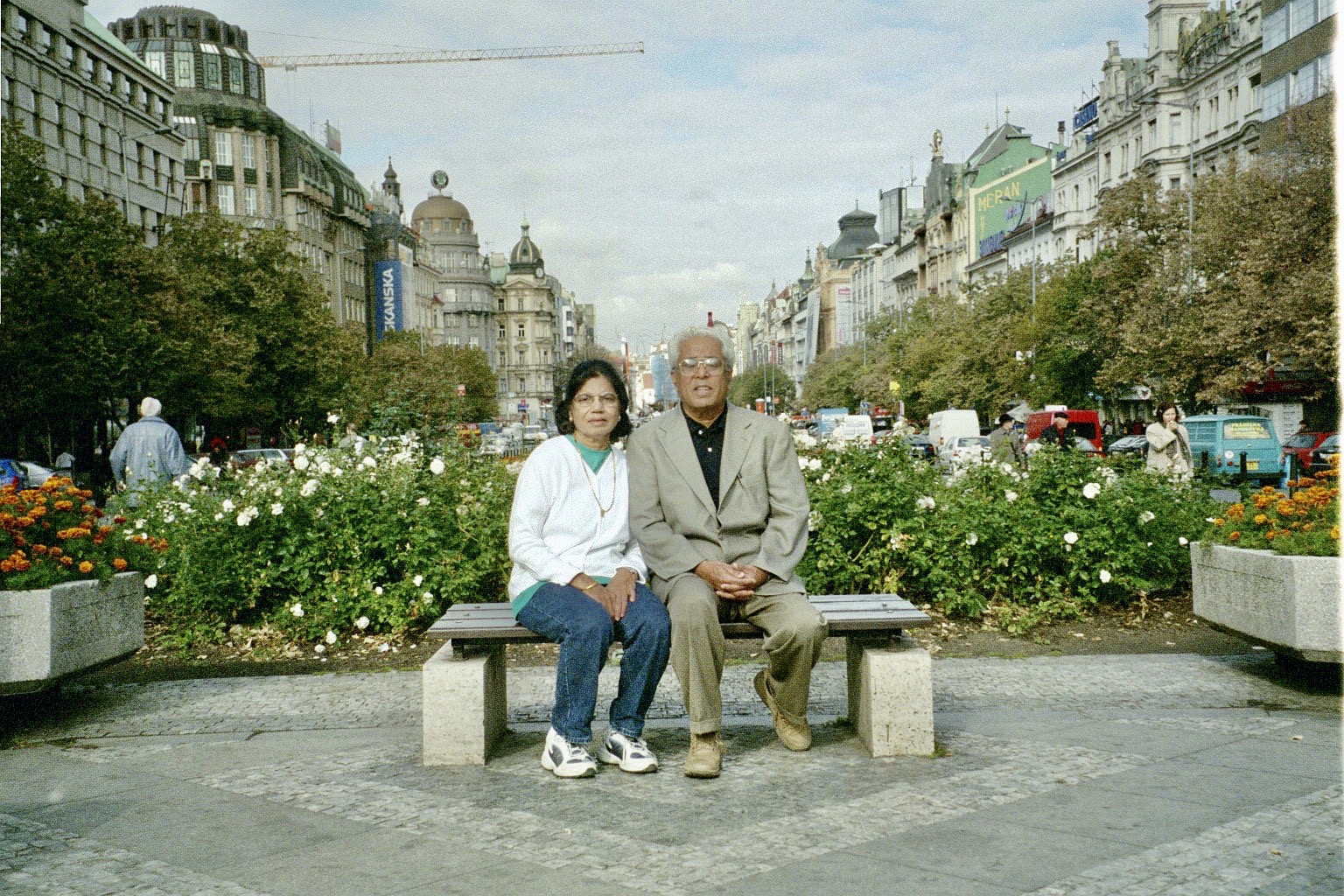
Wenceslas Square, Prague

We are sitting on one of the benches facing the Equestrian Statue. And right in front of us is the memorial for Jon Palach, who publicly burned himself to death on January 16, 1969. Jon Palach, Charles University Philosophy student, set fire to himself in Wenceslas Square in protest against the Soviet occupation of Czechoslovakia. When Alexander Dubcek, first secretary of the Communist Party of Czechoslovakia, started liberal reforms, the Soviet Union cracked down on his reformist trends by invading and occupying Czechoslovakia in August 1968.

Powder Gate, Prague
Powder Gate view 2, Prague

Powder Gate is a part of the fortification of the old town, founded by Vladislav of Jagello in 1475. The unfinished building was provided with a temporary roof and, in the 17th century, served as a store of gun powder. Its rich decoration was damaged by the Prussians in 1757. But it was repaired and completed by J. Mocker in 1886.

Old Town Hall, Prague

Prague’s Old Town Square is in the heart of the city. Hundreds of people milled around regardless of the time of the day. But the crowds are particularly huge every hour, on the hour while its gothic Astronomical clock provides entertainment with its parades of Apostle and bell-ringing skeletons. It is fascinating to be there watching the show and sort of thrilling to be a part of the immense crowd. The video below gives a perfect idea of what goes on. Kafka’s original house is also in plain view from that spot.

video of Astronomical clock, Prague
Hall of mourning of the Burial Brotherhood, Prague

The Hall of Mourning of the Burial Brotherhood was built in the years 1906-1908. An old mortuary existed on the place. As bodies have not been buried in the old Jewish cemetery since 1787, burial processions were going from here to the New Jewish Cemetery in Strasnice. Burial ceremonies have taken place here until the beginning of WW1. An exposition of a Jewish museum opened in 1926. Museum of Prague Ghetto was established in 1946 in the building.

Spanish Synagogue, Prague

Spanish Synagogue, a beautiful building, was built in richly decorated Moorish style. It was built on the site of a former old synagogue, probably the oldest one in Prague.

Somehow Prague has always been a destination in vogue. There is a lot to see and do there. Just to see the main sites would take four to five days. It is a place where you learn and grows as a traveler. We always felt safe wherever we were and had a lot of fun. Prague holds a special place in my heart.

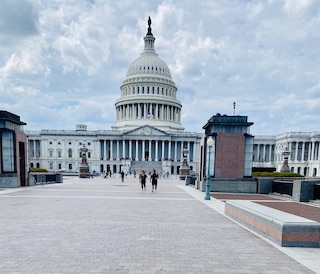
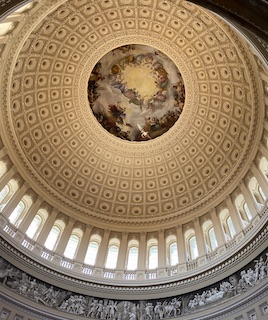
Visit to the Capitol Building

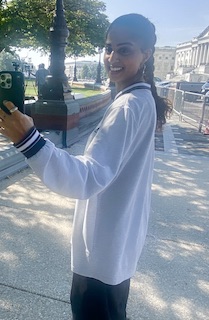
We toured the Capitol Building

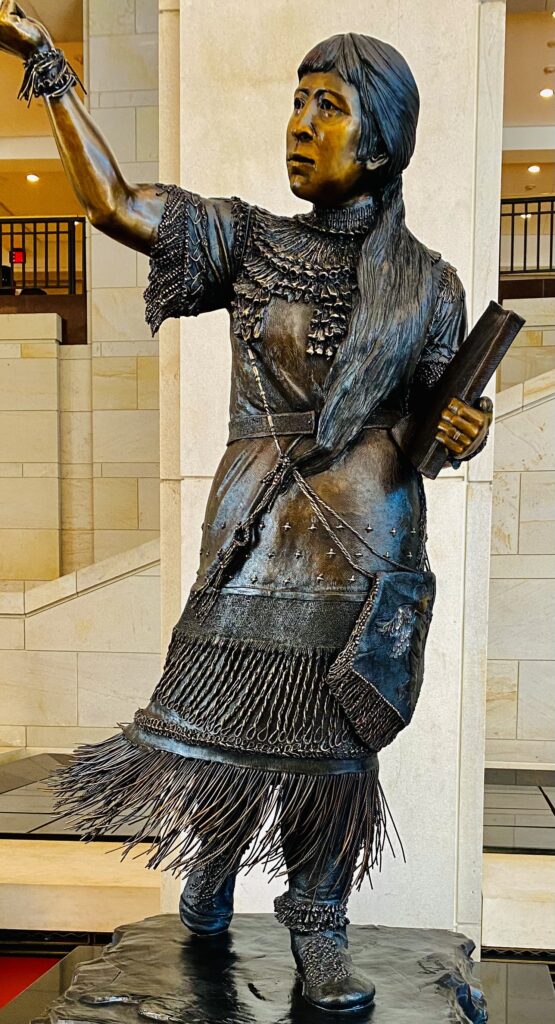
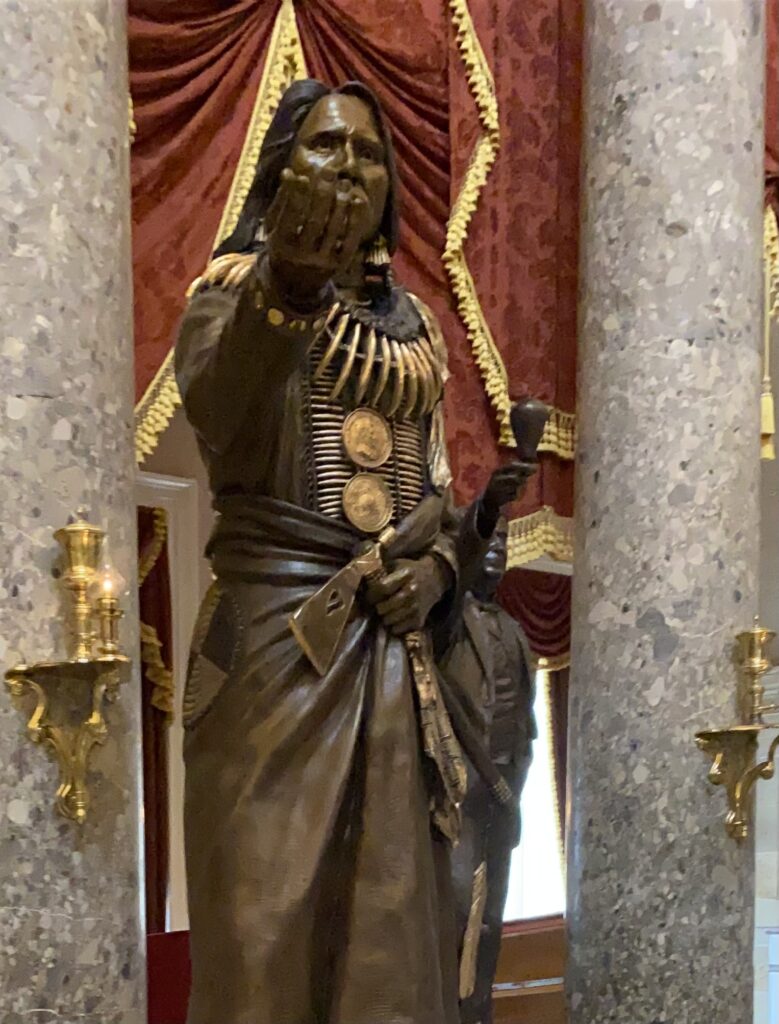
US capitol is a majestic, symbolically important, and architecturally impressive building and is surrounded by national park settings. We walked around and explored and enjoyed its surrounding.

Last September, when we were visiting our kids in Baltimore, we planned a trip to our country’s Capitol building. Since our focus on this trip was to visit the museums and monuments, this iconic building was at the top of our list of destinations. If I had my way, I would have wanted to see the congress and Senate in session. Our tour of the building did not have that option. 

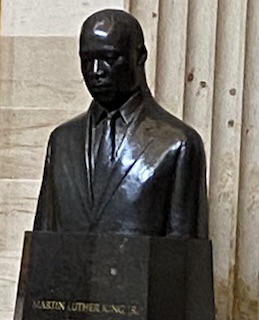
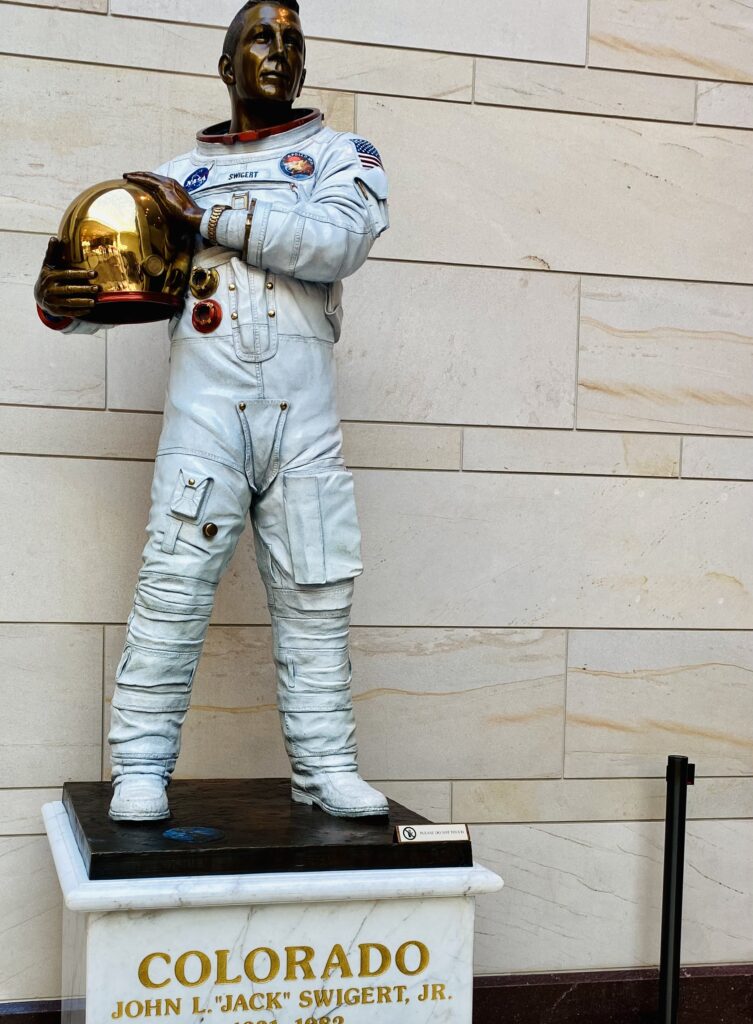
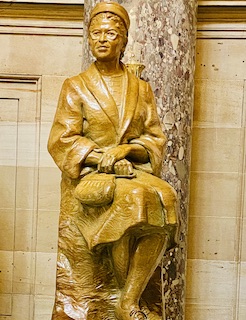
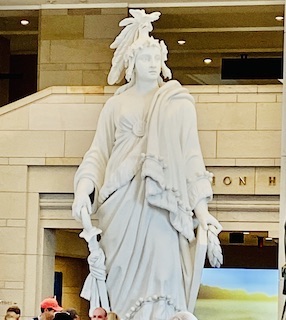
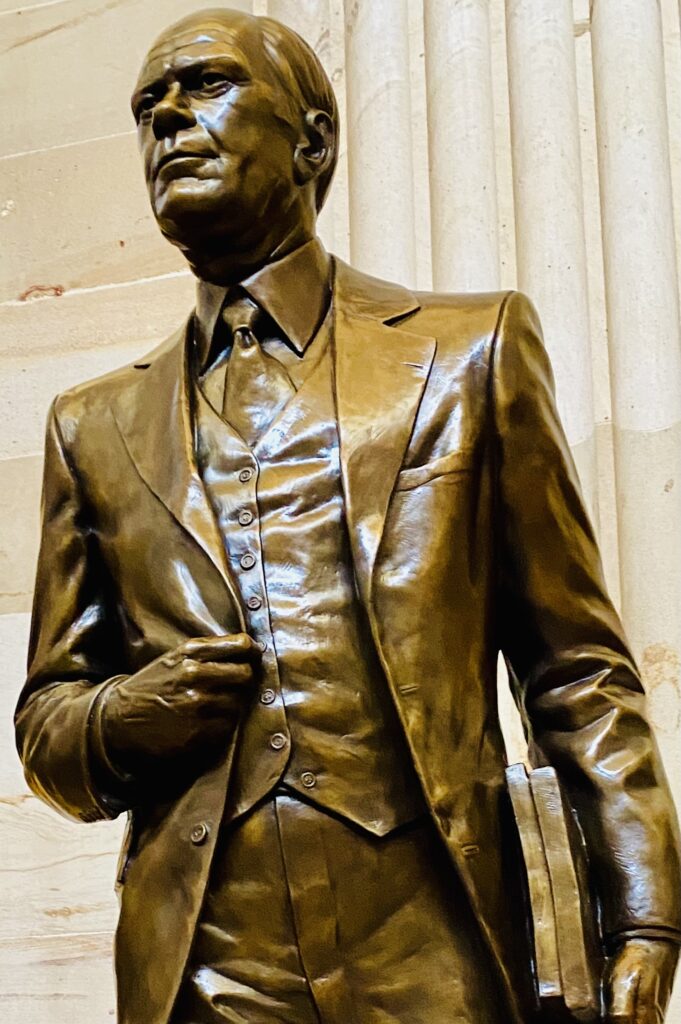
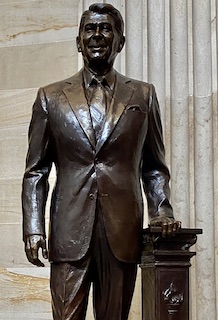
These are statues in the Rotunda and are among the newest in the National Statuary Hall Collection.

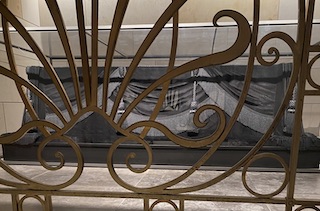
Below is Lincoln Catafalque.

The Licoln Catafalque

The Lincoln catafalque is a platform constructed in 1865 to support the casket of Abraham Lincoln while the president’s body lay in state in the U.S. Capitol Rotunda. It is a simple base of rough pine boards nailed together and covered with black cloth.

Although the base and platform have occasionally been altered to accommodate the larger size of modern coffins and for the ease of the attending military personnel, it is basically the same today as it was in Lincoln’s time.

When not in use, the Lincoln catafalque is kept in a specially constructed display area in the Exhibition Hall of the Capitol Visitor Center.

Mi Vida Restaurant

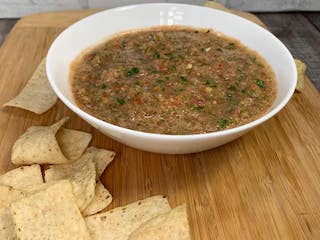
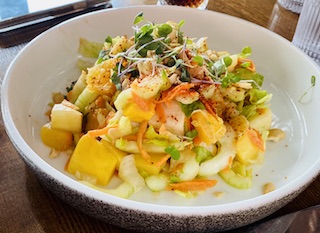
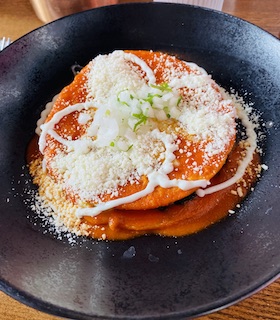
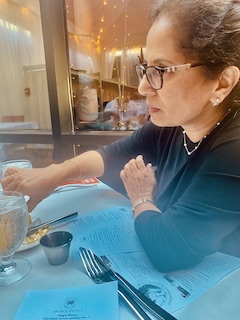
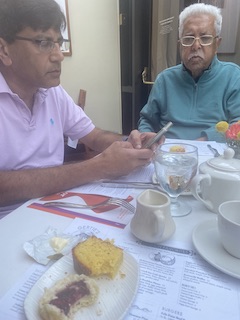
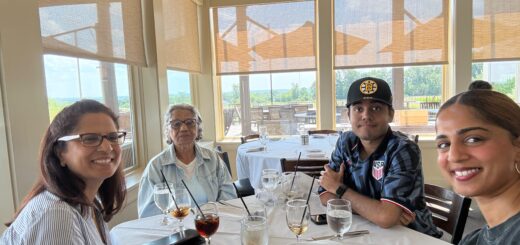
After spending all morning and well into the afternoon, we were hungry, and Marium found a Mexican restaurant called Mi Vida. Tazeen joined us. The menu looked great. Jaffer and I ordered enchiladas rancheras. The presentation and contrasting colors of the sauces in the backdrop of beautiful black stoneware plates were in themselves very appetizing. Marium and Tazeen got Nachos and salad. The rainbow color salad with different textures was to die for. But the restaurant’s excellence shone in its tomatillos, jalpeños, and herbs sauce which was simply off-the-chart delicious. They served that with purple corn chips which we all inhaled, even though, for me, it would be a digestive health disaster. I think my whole digestive tract was on fire, which didn’t stop me from pestering the waitress to find out what went into that delicious gut-burning sauce. Her information helped me find the recipe which will be on my blog as the Tomatillo Salsa recipe.
After a very satisfying meal, we headed out to go home but not without stopping for necessary shopping on our way. The day ended with a delicious relaxed meal that had already been brought in by Zahir, and Tazeen decided to make chapli kebab as an extra treat. After dinner, Everyone retired to their own corner to relax and sleep to recuperate from an energizing yet tiring day. The following day was planned with an exciting and long-awaited itinerary.
Visiting Maryland

Day Trip to Baltimore

We planned a week of vacation in September 2022 to go to DC. First to attend my husband’s medical school reunion at Marriot Hotel, which was to last 3 days and 2 nights. We have attended these soirees quite a few times. They are well-organized affairs with a social gathering of old friends who come to attend the meeting from all over the United States and their origin being, of course, Hyderabad India. The food offered for breakfast and lunch usually is continental and western style, but the dinner is usually an upscale gourmet Mughlai meal with Hyderabadi favorites which everyone enjoys. The meeting was scheduled to start on Friday, 16th September, and to end on Sunday, 18th September after breakfast, etc.

We left home at 6 am on Friday for our flight at 9.30 am. On our way to the airport, we got an email informing us that the American airline flight will be 15 minutes late. We got there, checked in, got breakfast, and settled down in the waiting area only to be told that it was further delayed to 12 pm. There was no further information for another hour, and neither was a sign of the incoming aircraft. When I approached the desk and insisted on information, at the check-in counter, the customer service agent reluctantly told me that it was due to a maintenance issue. We accepted and decided to wait only to get another update about a longer delay until 5. pm.  At this point, we decided that we should cancel the flight which may eventually be canceled. Since we didn’t want to waste time waiting in line, I went to the check-in counter and asked them to have our luggage pulled and to cancel the flight. A great idea! She told me to go to another service center which was right across from them. When I approached, there was only one couple in line. The guy behind the counter knew what he was doing and took care of the issue in less than five minutes. Our flight was canceled, and he issued us a luggage release ticket with clear directions about how to proceed. We went to the luggage room and got the luggage. We were, luckily, in time for a scheduled Boston Express back to Tyngsboro-a quick trip to DC and back. We got home before 4pm. 
But that was not the end of our problem, As the trip was to be continued for an extra one week with our daughter and son who live in DC and Fulton MD, they did not like the idea that we canceled, and were, potentially, not ready to take on the hassle of the same magnitude the very next day. After some deliberations, Jaffer got back on the task of rebooking the next morning. We got a late afternoon flight and instead of National Airport where Tazeen was going to pick us up, we found a flight to BWI which meant Ashfaq would have to pick us up. that worked out well because Tazeen had already decided on a day trip to Delaware with a possible overnight. 

Anyway, Ashfaq was happy to pick us up.  As we got home around 6.30pm Tazeen called and informed Rana, our daughter-in-law, that she was getting back around 7 pm. Rana had a great meal ready, Tazeen also joined us for dinner, and we devoured a scrumptious meal. Tazeen decided to spend the night with us and spend the day with all of us in Baltimore sightseeing. The only problem was that Rana couldn’t join us because she had to be with the kids. Again, she treated us to a delicious spread, a meal to remember when we got back. We all inhaled it as always. Thank you, Rana.

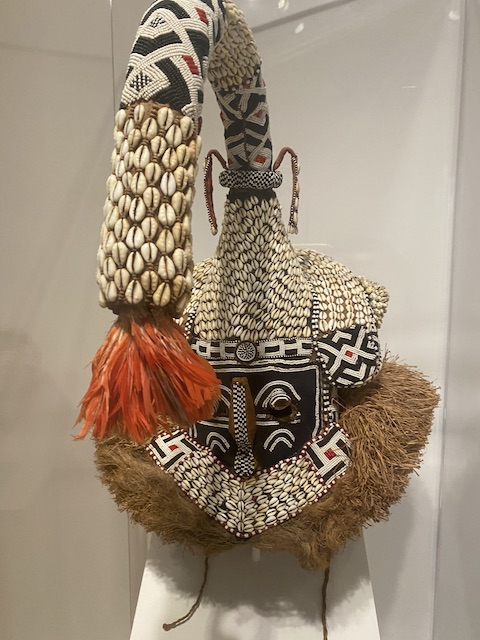
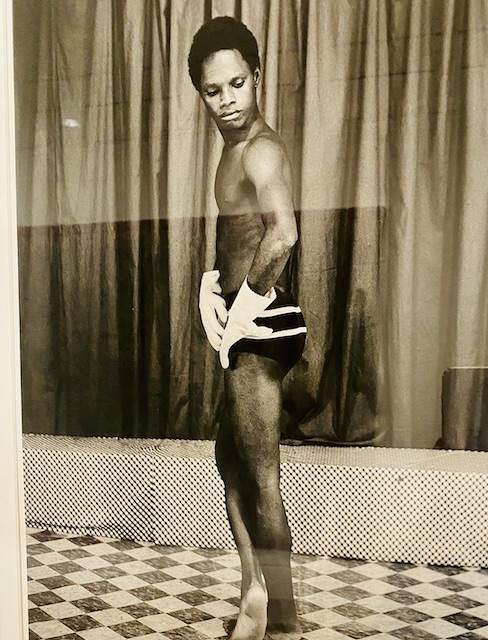
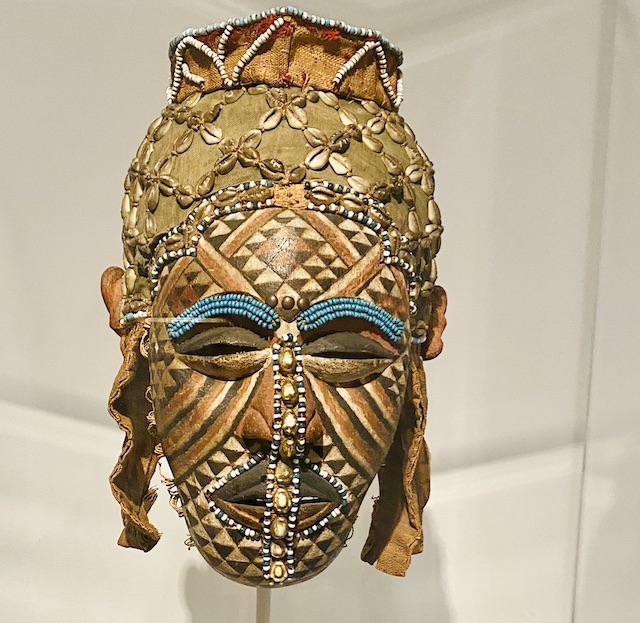
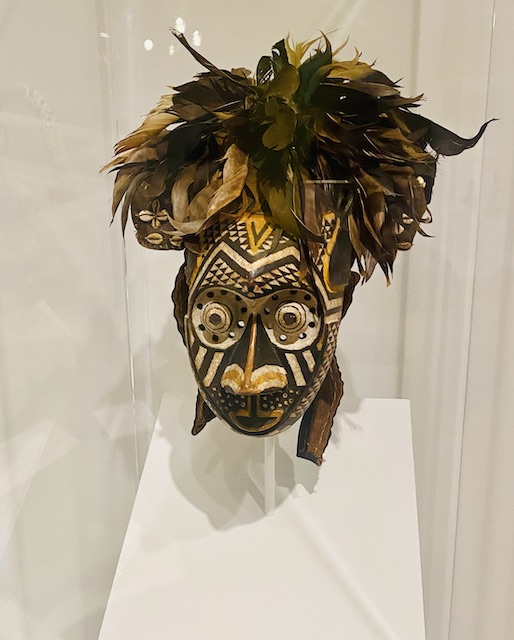
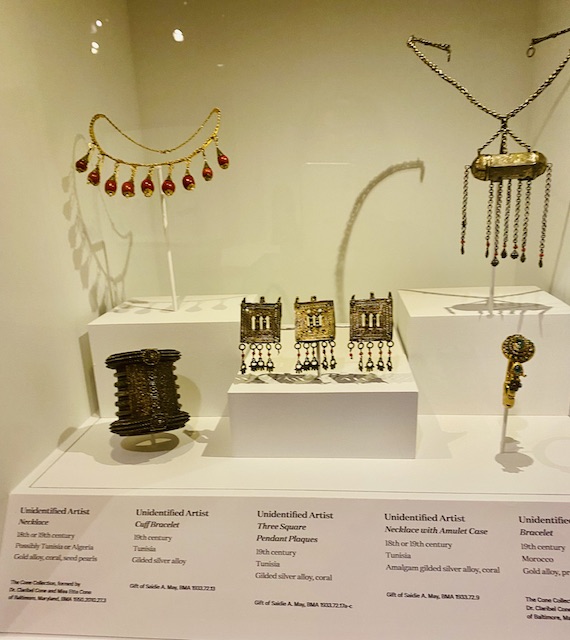
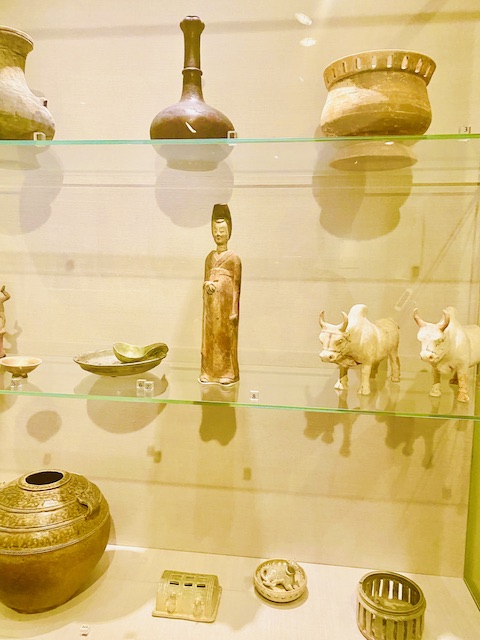
The next day was Sunday the 18th of September, we all left after our breakfast to go on to Baltimore for sightseeing as planned. The art galleries were currently showcasing collections of art from Africa. Since we were breezing through, we were able to see only a selection of African Art, and Oceanic art- in other words, we scratched the surface.

Baltimore Museum of Art:

Gertrude’s Chesapeake Kitchen:

There was a restaurant on the premises called Gertrude’s Chesapeake Kitchen where we decided to have our brunch. Their menu sounded delicious, and it was.

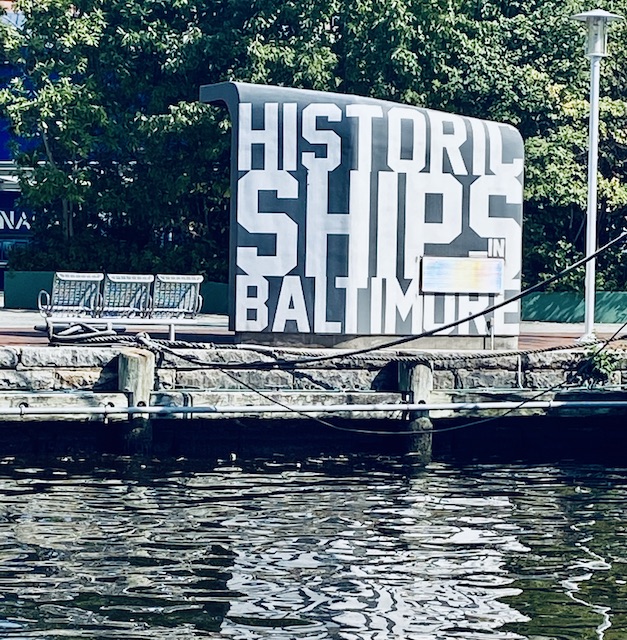
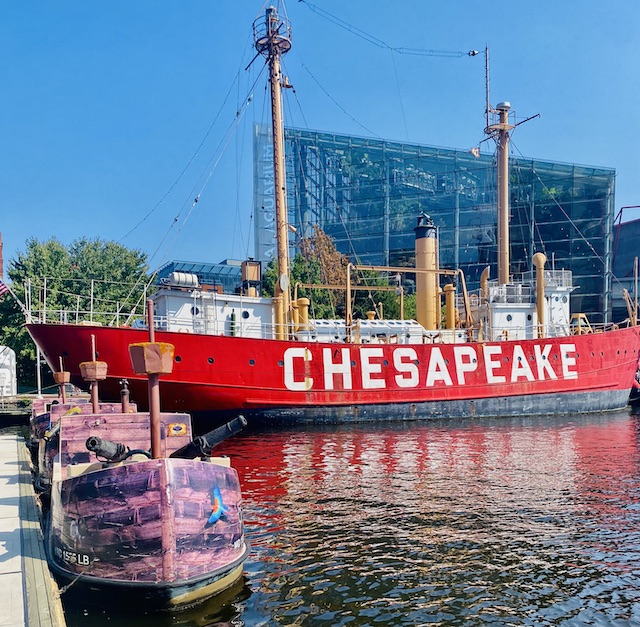
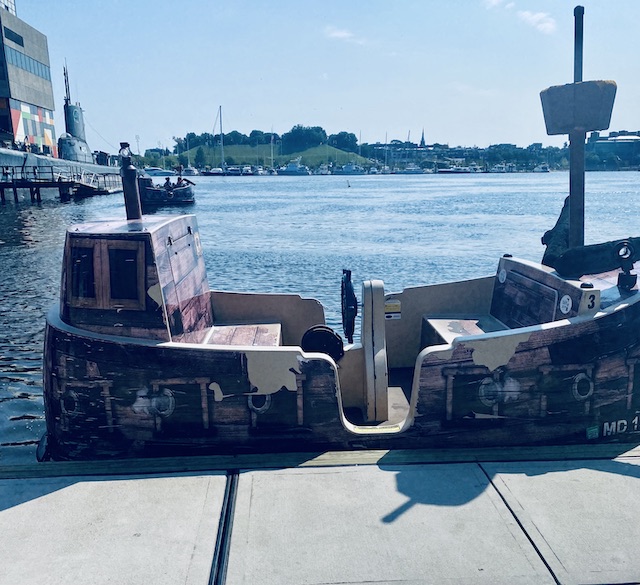
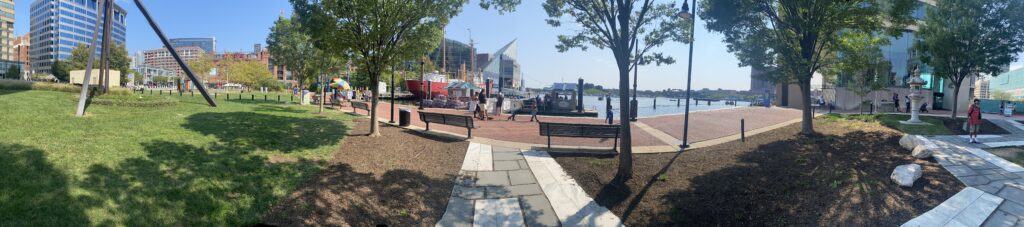
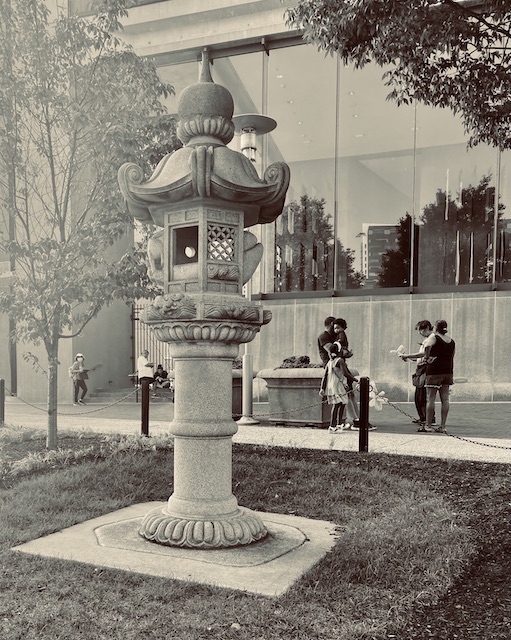
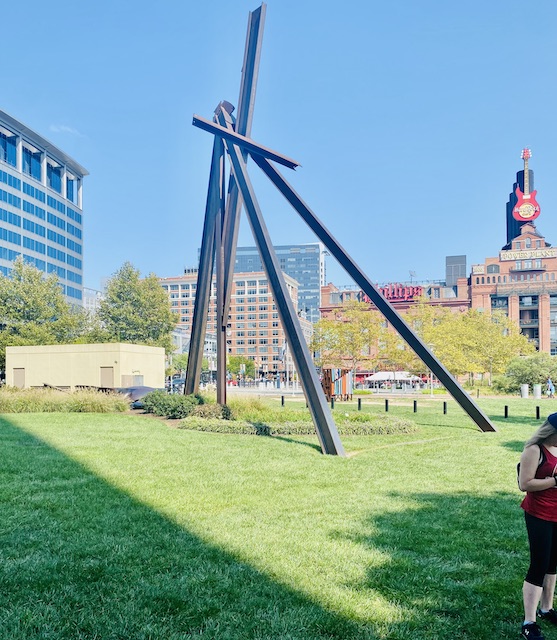
After the brunch, we headed out to visit the inner harbor. It was a perfect day for the outdoors. Due to time constraints, we did not plan on any water sports or boating. We Walked around the harbor to enjoy its vibrancy and scenic waterfront views. There are beloved museums all around the inner harbor. The historic ships docked along the pier are now floating museums. There is a wealth of information and unending activities to be had in the museums. There is a massive selection of restaurants with a vast choice of food for you to take a break from your exploration. It could offer die-hard tourists days of exploration opportunities. Although there was so much to see and do, we only had enough time to watch the fun around us. What we experienced was a drop in the ocean. We got home, had dinner, and spent a relaxed evening before driving back with Tazeen to stay with her family for the next few days. 

Inner Harbor Area:

More to come.

Dead Sea, Jordan

Dead Sea, Jordan

On Day 10, we started our tour of Jordan. We left the hotel in Jerusalem early in the morning, arrived at the Allenby Bridge Border, and were escorted through the border crossing process. We met Omar, our Jordanian tour manager. 

We traveled to the hotel in the Dead Sea area, the lowest point on earth’s surface (423 meters) below sea level. No sea life can survive in the Dead sea because of the high salinity and mineral content in the water, hence the name the Dead Sea.

Although a beautiful spot and our second chance to experience floating in the mineral-rich waters of the Dead Sea and enjoy the restorative powers of the sea. Yet again, we could not avail of the floating and frolicking option because there was a considerable distance to navigate to get to its shores. That also meant that we couldn’t slather ourselves with Dead Sea mud with its salty, mineral-rich goodness either. Some of our group members coated themselves in Dead Sea mud and had a grand time while we walked up to a point from where we enjoyed the scene from the top.

View of Dead Sea from the Marriott Hotel grounds

We stayed around the pool area, taking advantage of the amazing scenery. The poolside seemed like the best place to be. From the pool deck, with the ocean views and salty air, it’s like spending the day at the beach without the risk of getting sand in your swimsuit.

A great dinner was followed by orientation of the upcoming trip. Our Jordanian Tour Manager was exciting and educational. He informed us, in detail, about each day’s itinerary, which included Mount Nebo, Petra, and Wadi rum. In the end, he promised to teach us how to write our names in Arabic. We left looking forward to our remaining four days in Jordan.

Click here for Tel Aviv.

Wadi Rum, Jordan

Wadi Rum, Jordan

Wadi Rum, Jordan

After visiting Petra’s winding canyon road, amazing mountains, towering treasury building, soaring temples, elaborate tombs, the theatre, and burial chambers, I consoled myself by thinking that it must be the sublime spectacle for all nature lovers. I had no clear idea of what was to come when we visited Wadi Rum the following day. My vision of Wadi Rum was based on what I knew from the stories I read about deserts as a child, the geography lessons I learned in classrooms, and the movies, such as Lawrence of Arabia, I watched. At times recollection of the scene in Lawrence of Arabia of quicksand claiming lives sent a chill down my spine.

However, we left very early for Wadi Rum. Our tour guide had everything arranged for our group. There were lots of 4×4 trucks to go to the Wadi Rum area, which he said would offer us one of the easiest and safest glimpses of the desert in the region. Along either side of the truck bed were benches. We boarded the trucks to get to the spot to experience Wadi Rum. When we arrived at this surreal desert terrain, it was not fear that dominated my emotional landscape. Still, this UNESCO World Heritage site changed my fear into total awe and admiration and a feeling of Wow! It certainly felt like being on Mars as I stood looking at this immense red sand beach stretched all around us as far as the eye could see. And it was surrounded by red sand dunes and gargantuan, rippled sandstone rocks, creating the most dramatic landscape. Their power and audacity took up space by simply standing tall.

Wadi Rum, Jordan

It was an extremely windy and cold day in Wadi Rum. While we took photos of the area, many of our group members climbed a large, red sand dune to see the panorama of the magnificent desert.

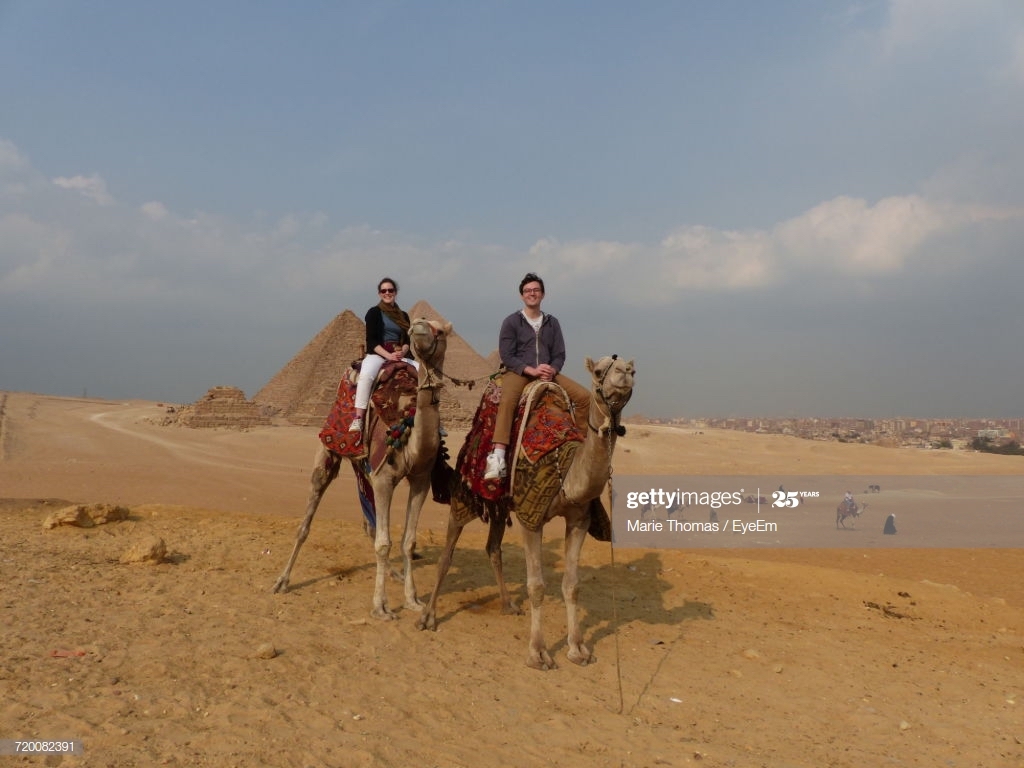
Camel rides were arranged for those who wanted to experience the Bedouin way of crossing long distances in the harsh desert environment. Some of our group members rode through the desert, back to the next camp part of the way. I was not able to capture images of the riders from our jeep.

Camel ride. Wadi Rum(stock photo)

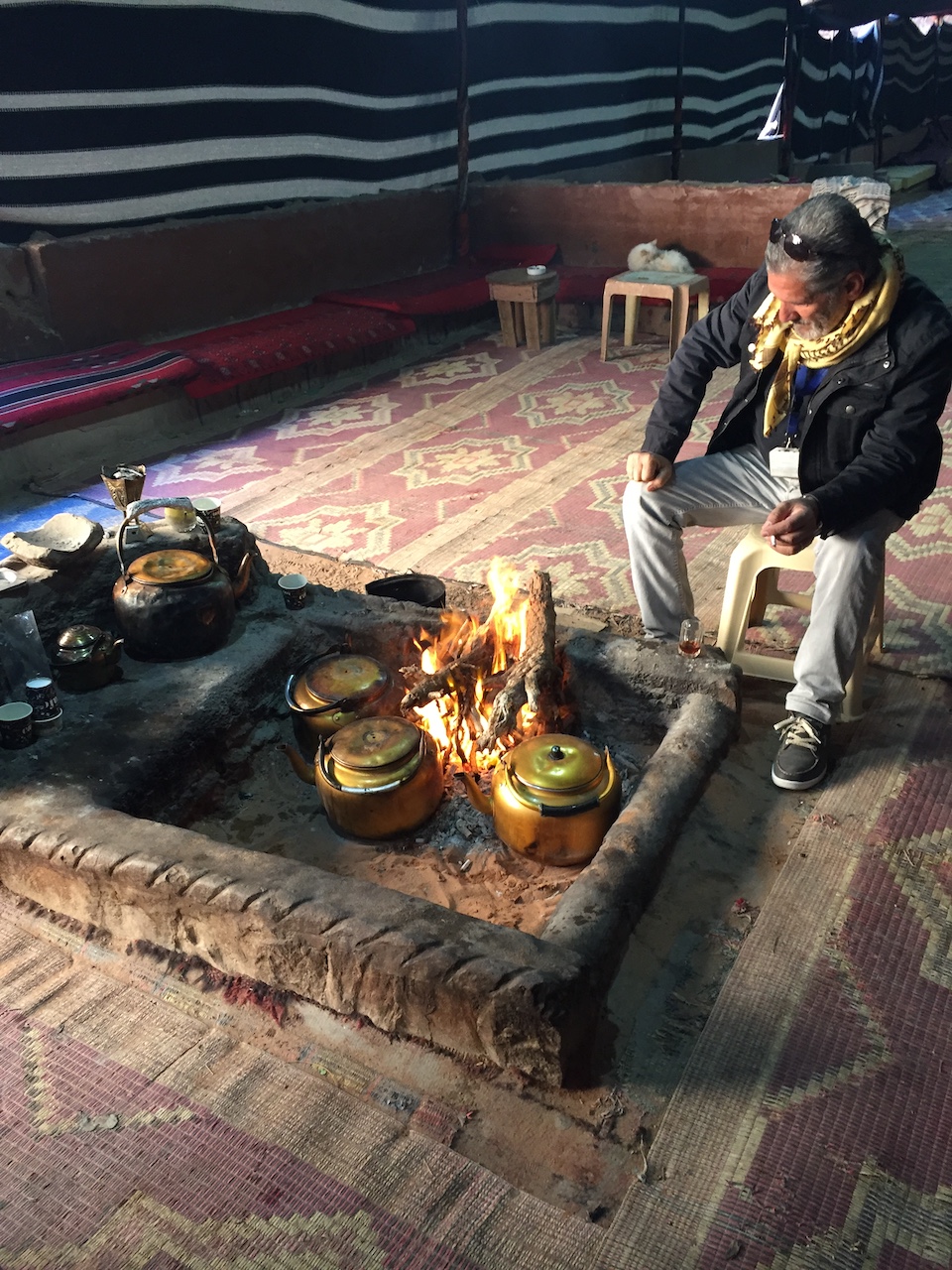
We stopped at a Bedouin camp. Some Bedouin men greeted us with traditional hospitality dressed in their traditional garb and checkered headscarves. It was a fairly large area with a beautiful wood fire burning right in the center. Just looking at it warmed me up. While the Bedouins kept themselves warm, they offered the visitors their delicious hot tea, which they obviously drink a lot of and offer. One could have more than one cup if they wanted. I had two steaming hot cups of tea.

The camp floor was covered with area rugs for those who wanted to sit on the floor, as it is customary for the Bedouins to sit on the floor. Also, there were mattress-lined seats with backrests for those who couldn’t or wouldn’t sit on the floor. We sat around talking and sipping on our tea. It was a very comforting and heart-warming experience. And also, it was a moment for cheering and thanking our Bedouin hosts for their hospitality, which made us relax, chill, and warm up all at the same time.

Bedouin Camp, Tea session
Bedouin Teas Time

After Bedouin tea time, we boarded the 4×4 and hit the desert road to another camp for our lunch. Again it was a large camp with comfortable seating and tables to put our food and drinks. As we looked around, we were called to step out to the back of the camp, where two men were uncovering a large, round metal plate that looked like a manhole cover. This was the cover of Zarb (underground oven), a Bedouin-style BBQ, where meats, potatoes, and all kinds of vegetables were roasted underground. Zarb is one of the most beautiful and delicious treasures of Bedouin culture.

They first uncovered the plate.

Uncovering the underground oven

Then remove all the covering and foil from the top of the tray to expose it.

Removing the foil

When the first tray was fully opened, you could see a variety of meats, and its aroma curling up in the air was simply Devine.

Zarb, Meat tray

when the tray was pulled up, a cry of surprise was heard as everyone realized that it was not just one tray but a rack of 3 trays coming out from a metal casing with different meats and different vegetables on each one. Aluminum foil was lifted from each tray to serve this delicious bounty along with many side dishes such as hummus, tabouleh, babaghanouj, rice, freshly made salad, and not to mention, hot flatbread. It was an unforgettable culinary, cultural, and educational experience in a part of the world that is truly magnificent.

This trip to wadi Rum has made a lasting impression on me, as, I am sure, it does on everyone who visits. After this sumptuous meal, we relaxed for some time before heading out for our journey to Amman, Jordan, which was our last stop before returning home from this monumental trip through the Middle East.

Click here: