Our next adventure was white water rafting. The name white water rafting comes from foamy, fast-flowing water that churns over the boulders and rocks. This turbulent water is a mixture of rapids and waterfalls.
We planned river rafting with Kootenay River Runners. The Kootenay River offers an adventure for both experienced, and novices alike who are testing the rafting water for the first time.
All rivers are rated on a scale of difficulty and the degree of skill needed to raft across a section of river; therefore, we were advised to take on more moderate white water for a relaxed and enjoyable experience.
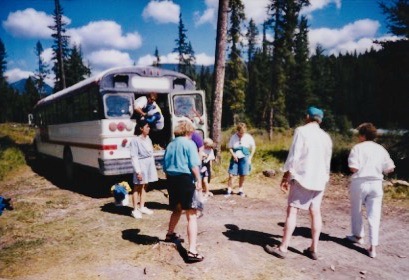
Ashfaq, young and more experienced went at a different time and in a different section of the river with more turbulence, at a scale of level 1V. He left for his rafting trip at 8.50 am. We were scheduled for a later run. We arrived at the point where the bus was to pick us up. The bus was already there. Our guide, Katie, and the driver were waiting for us. Our group was small, and we all boarded the bus and were soon on our way to our put-in point. Katie seemed very confident, friendly, and upbeat. As we started on a bumpy ride, our driver, with a sense of humor, told us that the road was used for logging and mining trucks, hence its condition. Traveling on a gravel road seemed like an adventure within an adventure. Maybe bumps on the bus were the precursor to a wild bumpy ride that was in the offing.
Our bus to the put-in point
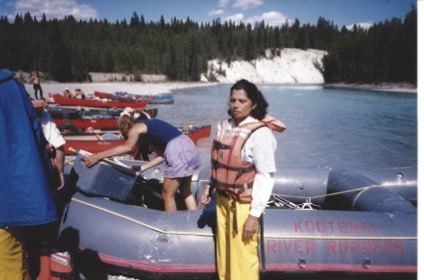
To prepare for the ride, we had to make do with nature’s bathrooms, and don our yellow and orange wet suits, and the socks given to us, before we made our way to the raft. Our raft was to be on a slower river with a level 3 scale run. Katie gave us instructions on safety procedures and paddling techniques. Before we knew it, we were headed down the Kootenay river.
The epic river scenery reminded me of the trip we made on the Maid of the Mist Boat Tour, in Niagara Falls. Our ride on the Maid of the Mist was heroic for me. I felt like a superwoman going so close to so much power and getting drenched in the spray of the mist with our blue ponchos. We probably looked like bobbing blueberries. The sound of thundering, crashing water was deafening. Despite all that sheer waterpower so close, we still felt safe in our passive experience, because the crew was in charge of our safety, The reality of rafting was very different. Here you were given your own paddles and were told to use them over the rapids and enjoy the interactive fun with full responsibility. we were really happy to take on the adventure, but not without a lurking fear that in a split second, we could be swallowed by the ferocious volume of white water around us. Drenched and gripped with exhilaration we completed our river run.
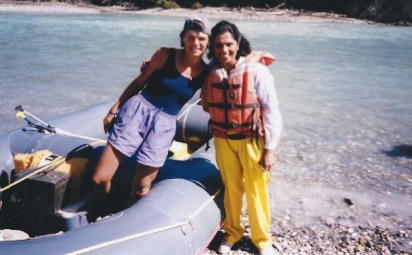
Katie and I at the end of the run
The Kootenay River run was 15 km long with a cold lunch on the way. We disembarked and handed our wet suits, socks, etc. back to the crew. We got back to our starting point at the end of an amazing adventure. On our way back we went to Rose and Crown for a drink. We decided to eat at a pizza place called Barbary Coast Pizza, thin crust pizza tasted delicious. We were ready for a good night’s sleep.
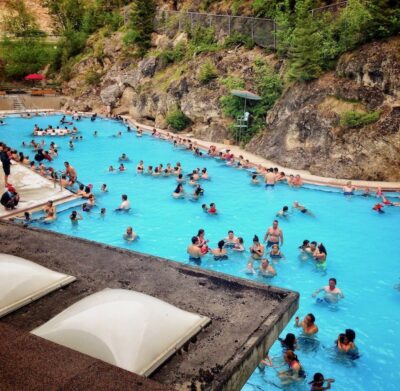
After Lake Louise, we were headed to Invermere, BC. Invermere is in eastern British Columbia, near the border of Alberta. And it is only 14 km from Radium Hot Springs. At this point, it seemed like the best idea to soak in Radium Hot Springs pools in the town of Radium, tucked within Kootenay National Park not far from where we stayed. It was a soothing experience with relaxing heat and views of the surrounding Rocky Mountain’s open rock face. we definitely found a spot to recharge for our ongoing trip.
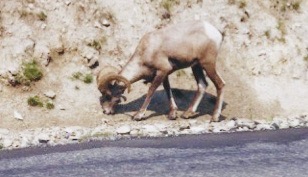
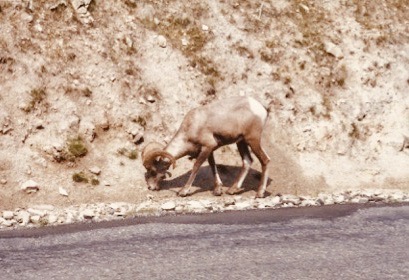
We planned to head to Glacier National Park, Montana, USA. We were on the road again to our next destination. Ashfaq was driving and talking to his dad, I sat in the back in a reverie, while the exquisite Canadian scenery was Zipping past my window. it was a treat to see longhorn goats on the way.
longhorn Goat
we arrived at our apartment at the westernmost shore of Lake McDonald in the town of Apgar, one of the main villages in the Glacier National park. The location with an ideal living facility was more than we expected. It had 2 bedrooms, a living area, and an attached kitchen area, where I made our lunch, and stepped out onto the porch to enjoy the outdoors. We could literally step into the lake from our porch, which reminded me of our bungalow in The Gambia, West Africa, where the Atlantic Ocean was like our very own beautiful and elegant garden pond which stretched out before us for miles and miles into eternity. I was both in awe and gratitude for this God-given opportunity. We spent blissful 4 years in Banjul, The Gambia.
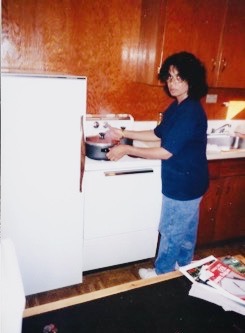
Cooking in Apgar, Montana (my signature activity)
As we stood there enjoying the lake, Ashfaq jumped into it for a swim. It was so close that we could talk to him from where we were standing in our porch. Lake McDonald experience became my soul restoring retreat.
Next morning we started out to explore the other parts of Glacier National Park. We drove north along the eastern side of Lake McDonald on Going to the Sun Road which runs parallel to the lake, and then through Logan pass and on to Waterton Lake National Park.
In 1932 Waterton Lakes National Park (Alberta, Canada) was combined with the Glacier International Peace Park (Montana, United States) to form the world’s first international Peace Park.
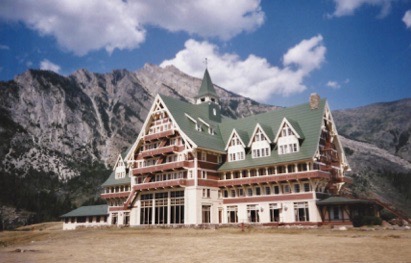
Waterton-Glacier International Peace Park, a World Heritage site straddles the border between the United States and Canada. We arrived at the Waterton National Park but we did not have a lot of time to spend there. In the short time that we had, we roamed around to see the magnificent panoramic setting and the most remarkable and unique facade of the Prince of Wales Hotel. The huge mountains did not just look like a backdrop to the hotel, but it looked as if it was cut out of the mountains like Mount Rushmore, only by an alien construction company. Walking around and standing there feeling the wind whistling and swooshing was a very memorable experience.
Prince of Wales Hotel, Montana
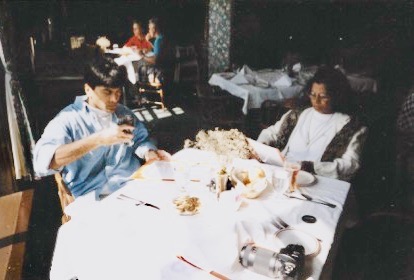
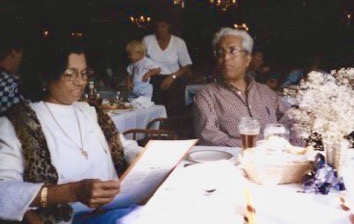
After we had a fill of the spectacular outdoors, we walked in to see the inside of this iconic building and to have lunch. They offered us cozy seating with a chance to unwind after the day’s adventure. We had an enjoyable lunch and left for Banff, which was to be followed by the White Water Rafting adventure the following day. We were running on high as we got back only to realize that Ashfaq had left his Denim shirt on the back of his chair in the restaurant cutting us down in the area of high excitement.
We went on a Canadian National Parks trip even before we retired, although we always talked about traveling once we retire.
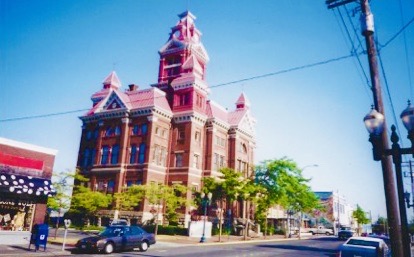
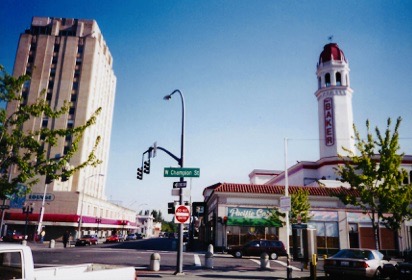
In Bellingham, WashingtonWhatcom Museum, BellinghamHope, BC
Our trip started with us flying into Seattle, Washington in the middle of August 1994. Since it was a planned road trip, we rented a car at the airport and drove to Bellingham in Washington. We were to start in British Columbia and drive on to Banff, Alberta with white water rafting adventure before visiting Columbia icefields. and then on down to Glacier national park which straddles Montana and Alberta border. It would be difficult to chronicle the entire trip as it happened, but it has exciting memories which are worth archiving for my progeny if they ever have a chance to take a peek at this minuscule slice of our life.
Canadian National Parks system is vast and spreads across the ten provinces with its 47 National Parks. In all honesty, we only had the fortune to visit and explore a few of those in the two provinces, British Columbia and Alberta, we planned and visited.
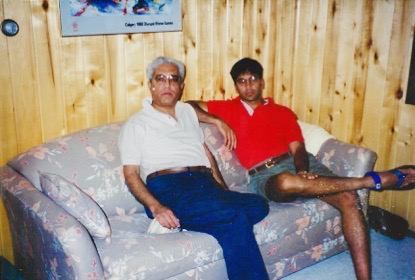
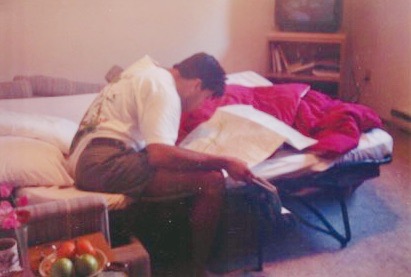
Jaffer and Ashfaq in Bed and Breakfast place
Having lunch in a park.
Goat sightling on the way
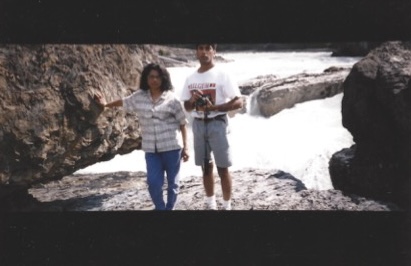
Me and Ashfaq as kicking Horse River as a Back drop
We started our trip in Bellingham after a short stay to explore the town, we left to head out from western British Columbia to the east and into Alberta. Our first stop was Bridal Veil Falls, east of Chilliwack. A spectacular Bridal Veil Fall, which tumbles 60 meters over a smooth rock face, creating a “veil-like effect”, hence the name.
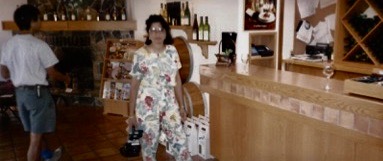
I was lugging a video camera that I now call a dinosaur of video technology. But since we knew nothing else at the time, I was excited to be using it and thought it was cool. Therefore, my video of the falls is stunning, if I may say so myself. After a short stop and several photo stops, we were headed on our onward journey through Hope, BC where we stopped at one of the banks to get some Canadian money and get lunch from a bakery, which we ate in a nearby park. Then we drove to Kelowna where we had booked a Bed and Breakfast place run by a retired couple, Danny Trenton and his wife. Kelowna is situated in the Okanagan Valley and is popular for its wineries, orchards, surrounding mountains, and lakes. We were able to visit the vineyard and one of the wineries. After an enjoyable stay and a great breakfast, we left in the morning. We had lunch in one of the parks in Revelstoke. There were a lot of birds and crows flying around. Sneaky enough, and big enough to swoop down and grab one of our sandwiches. It was quite a shock.
Our next stop was Field, BC. The highlight of getting there was seeing Ashfaq, who was joining us for a week’s vacation. It was 7.30 pm when we got there, but Ashfaq’s arrival time was 9.30 pm.
Field, BC is a community of 169 people located in the Kicking Horse River Valley within the confines of Yoho National park. It sits in a deep valley surrounded by a spectacular mountain range. Their sunny steeples kiss the skies while hugging the valley in their bosom where our small Bed and Breakfast place was sitting like a doll’s house in a castle. Standing outside we could see a train coming out of the tunnel. It took me back to the train track with its toy tunnels that we bought for Christmas for our boys, Ashfaq and Ishtiaq, in the 70s. While these delightful memories filtered back into my consciousness, I watched the breathtaking one-of-a-kind sight of a real train emerging from those beautiful mountains. I wished I could have been on that iconic railway journey.
Ashfaq, Field, BC
Since the town itself was small, and grocery stores were not open, we decided to look for a deli or bakery where we could get something for supper. There was a small place open where we got sandwiches, pot pies, and fruits. We organized whatever little we had, and Ashfaq was on time, and we were happy to see him. We had supper and spent time talking and planning what lay ahead during the week we were going to be together.
We rose with the first light and had breakfast, but I don’t even remember what we ate.
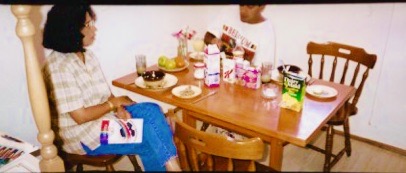
Breakfast at Bed and Breakfast place, Field, BC
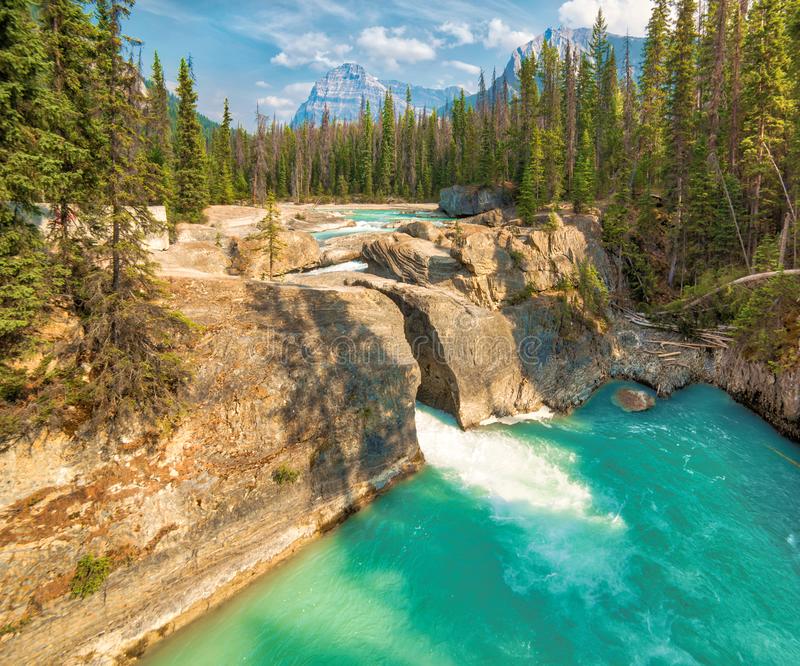
Our plan was to explore Yoho National Park. It is located within the Canadian Rockies, though it sits just over the Alberta/BC border. From Field we drove on Emerald Lake Road to Kicking Horse River valley where we stopped and walked around to enjoy the sublime views of the gushing water, making it look as though furiously boiling water overflowing with full force and speed, obviously, over the boulders. And the process was beyond my imagination. And probably, no one’s imagination could possibly comprehend this natural phenomenon. There we also saw the awe-inspiring Natural Bridge where The Kicking Horse River carves a path through ancient rocks sculpting and shaping it at Yoho National Park. Even with this swift current which can even move large boulders, Ashfaq had a great time leaping over the gaps and exploring the area. Even Jaffer was moving around pretty fast though deliberately, while I stood there making memories on my clunky video camera.
Natural Bridge, Kicking Horse River (photo Credit-media)
The kicking Horse River is in the Canadian Rockies of Southastern Birtish Columbia, Canada. The river was named in 1858, when James Hector, a member of thePalliser Expedition, reported being kicked by his packhorse while exploring the river. Hector named the river and the associated pass as result of the incident
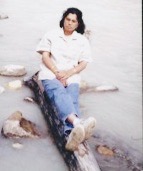
Our next stop was Emerald Lake which is a freshwater lake in the heart of Canada’s Rocky Mountains. Its pristine blue-green waters were not only inviting but calming after experiencing the kicking horse river’s bold, noisy, resolute, and rocky water. Emerald Lake’s flat, twinkling surface encouraged us to adventure into the water and sit on a tree log floating in the water. When I think about it, I feel so fortunate that I was able to sit on a log and meditate about this Divine creation of the slopes of Canadian Rocky Mountains peaks hugging the sublime Emerald Lake.
Sitting on a log in Emerald Lake, Yoho National Park,
The vivid green color of the water is caused by a powdered rock from the glacier which reflects the blue-green spectrum of sunlight, the rock type, and the amount of it in the water causes the color to vary from lake to lake and month to month even week to week.
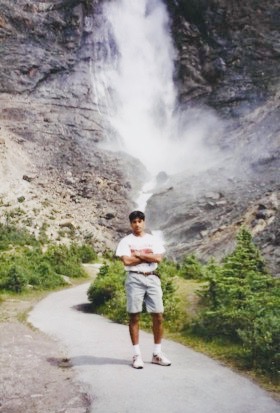
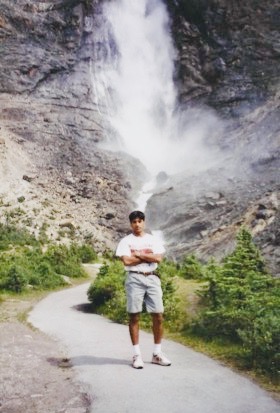
A few minutes walk from Emerald Lake took us to the spectacular horseshoe waterfalls called Takkakaw falls. It is the second-highest fall in Canada. From Yoho National Park’s glorious Takkakaw falls we continued toward Lake Louise, Alberta.
A few minutes walk from Emerald Lake took us to the spectacular horseshoe Takkakaw falls. It is the second-highest fall in Canada. From Yoho National Park’s glorious Takkakaw falls we continued toward Lake Louise.
Ashfaq in front of Takkakaw Falls, Yoho National park, Yoho, BC
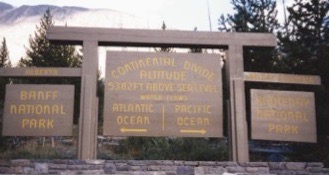
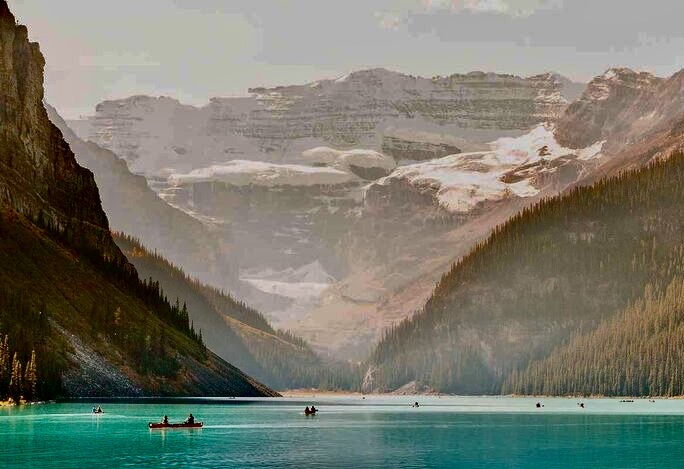
Lake Louise is a glacial lake within the bounds of Banff National Park, Alberta, Canada. It was named after Princess Louise, the fourth daughter of Queen Victoria.
Walking into the park, the first thing which hits you is the glorious turquoise color of the lake attributed to the rock flour flowing into it with the melting runoff from the Victoria Glacier which tops the mountain behind the lake providing a sensational backdrop.
Since we didn’t have enough time to hike, or canoe, we hung around taking in the jaw-dropping scenery. Ashfaq and Jaffer went on exploring the area as well as the maps posted around Lake Louise to help the visitors get around Banff National Park, Alberta, Canada. I stayed with my video making venture. As we went around, we were serenaded by a group of musicians, called Kanatan Ski Group making enchanting melodies with guitars, flutes, and mouth organs. They used their instruments to depict nature’s phenomenon of wind blowing and birds chirping through their instruments. Although we didn’t quite comprehend the lyrics, it was a mesmerizing experience. When the time came to leave, it was hard for me to tear myself away from such a pristine piece of wilderness. For me Lake Louise is an image that will last for a lifetime.
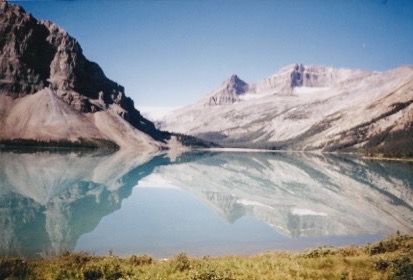
Bow lake was on our way and has a surface area of 0.8 square kilometers and drains through 3 km long Louise Creek into the Bow River. Bow river begins at Bow Lake. It’s fed by Glacier in Banff National Park and flows past Lake Louis and Banff. Walking along the Bow Lake one experiences a unique excitement. Its calm, crystal-clear waters offer an amazing reflection of the rocky mountains upside down. The whole experience was so magical that I don’t have words to capture how much I admired the scene.
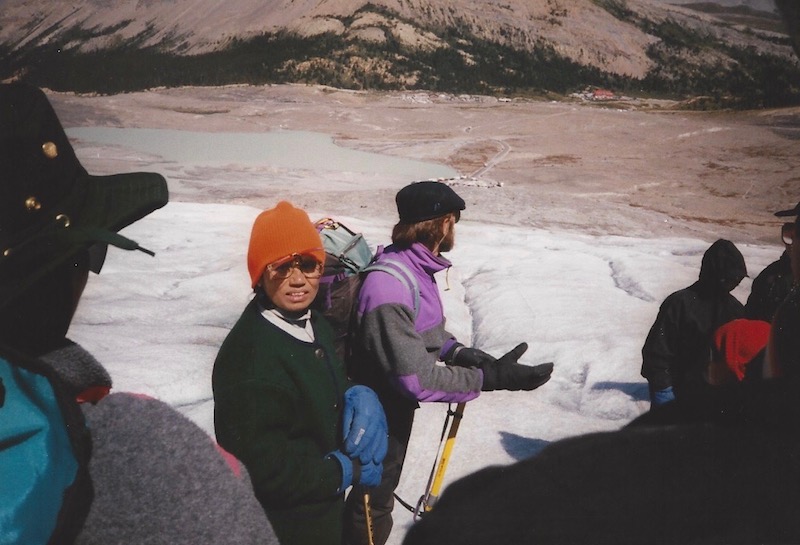
Columbia Icefields is the largest ice field in the Rocky Mountains of North America. We were on a national Parks trip for 17 days driving right across the country. On August 19, 1994 we went on ice walk on Columbia Ice Fields. This walk is on Athabasca Glacier, one of dozens that flow from Columbia’s bowl of ice. The part of the glacier that descends from the ice field is a long tongue of ice about six-kilometer-long and is visited by tourist with organized tour companies which provides experienced tour guides.
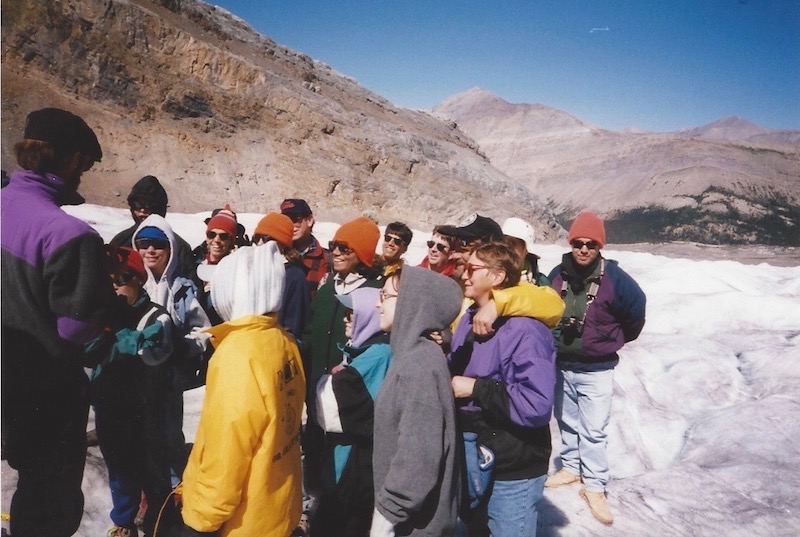
Orientation before the walk
Our tour began at the base close to a post marked 1965 indicating the year that the glacier extended to, giving an idea of how far it had retreated in 1994 due to global warming. We started our walk at the bottom of the trail with loose soil, pebbles, and rocks, with quite an apprehension, at least, on my part. My husband and our son, Ashfaq, were fairly calm and did not show any hesitation in taking on the adventure. But the guide’s confident, encouraging, and clear instructions were very helpful in getting over some of the fear. The guide told us how to walk, what kind of steps to take, and the areas to step on. He was good at making people feel comfortable by remembering their names and addressing them in a friendly manner. At the beginning of the hike he assessed all those in the group, and some who he thought may not be the right candidates were refunded their money and were advised best not to take on the hike.
Before going on the icefield with the guide
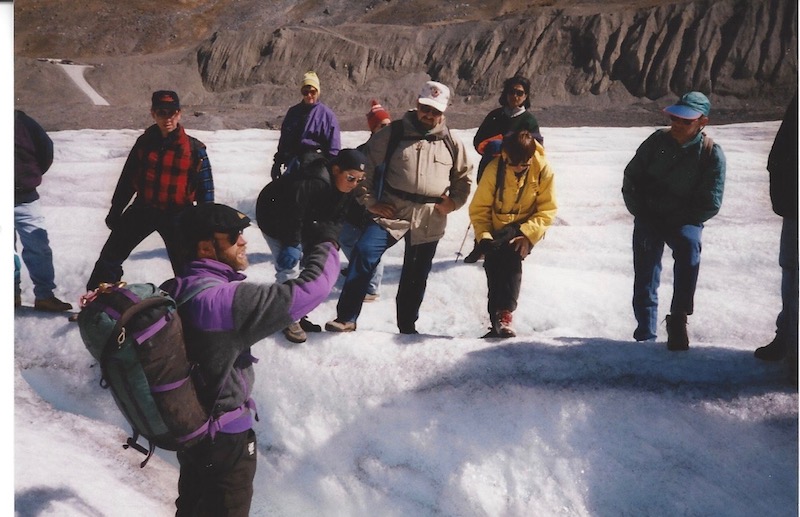
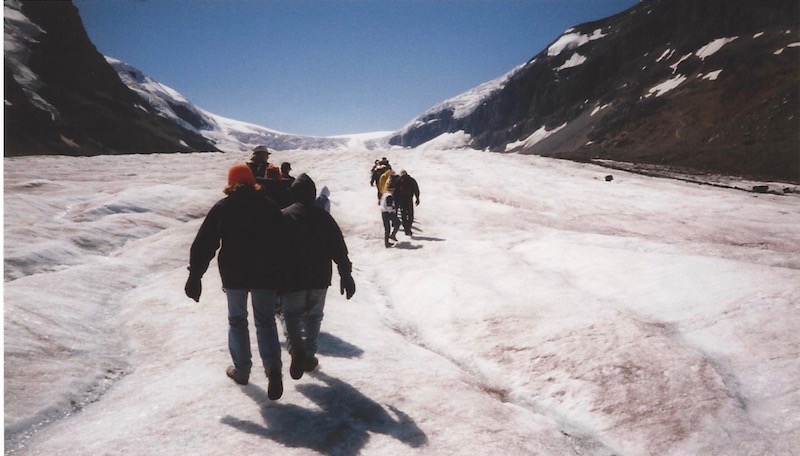
At the start of our hike, we were given information on what to expect and be very alert and careful throughout our time on the ice field. To help start the climb, he cut steps into the ice with an ax he carried to make it easy for the people to step on the glacier. After the walk began we realized that it was an enormous undertaking, which had to be completed. Fear was mixed with the thrill of doing something so daunting. We were standing on hundreds and hundreds of square kilometers of ice, which looked as though an ocean with huge waves somehow got frozen and because a larger body of water had to freeze in a smaller space, it cracked open in several places and created crevasses. The ice was coarse and fairly easy to walk on. Most people walked with a fair amount of ease, but some who had difficulty were given a walking cane for support. The guide kept an eye on all of us and called us his ducklings. He made several stops to explain all the special features of the glacier and also made sure to point out the photo ops.
On the icefield
With his firm and caring guidance, he made sure people see the beauty in the great expanse of ice, pressure ridges, meltwater channels, blue walled crevasses. At one point, there was a huge hole in the glacier to which he took one person at a time and let them peer at the waterfall, obviously glacier melting ice into this well of beautiful blue ice cave which looked as if it was designed and built with rich blue marble. This canyon formed at the point where the force of the water was most forceful and created an awesome sight. At the end of our hike on the ice fields, we started to come down crisscrossing around hundreds of crevasses of various shapes, sizes, and depths. The trapped water and formations with ice and water combinations were simply magnificent.
Another view
Climbing down and getting back to the normal level, we felt warm and also let down after such a tremendously exciting adventure. It was a worthwhile adventure for us.