Boating in Backwaters, Kerala
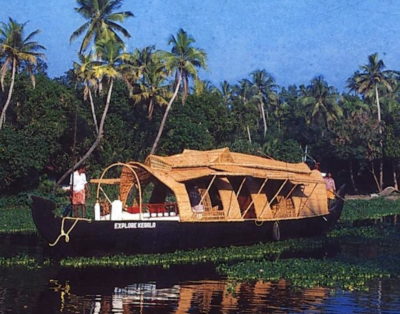
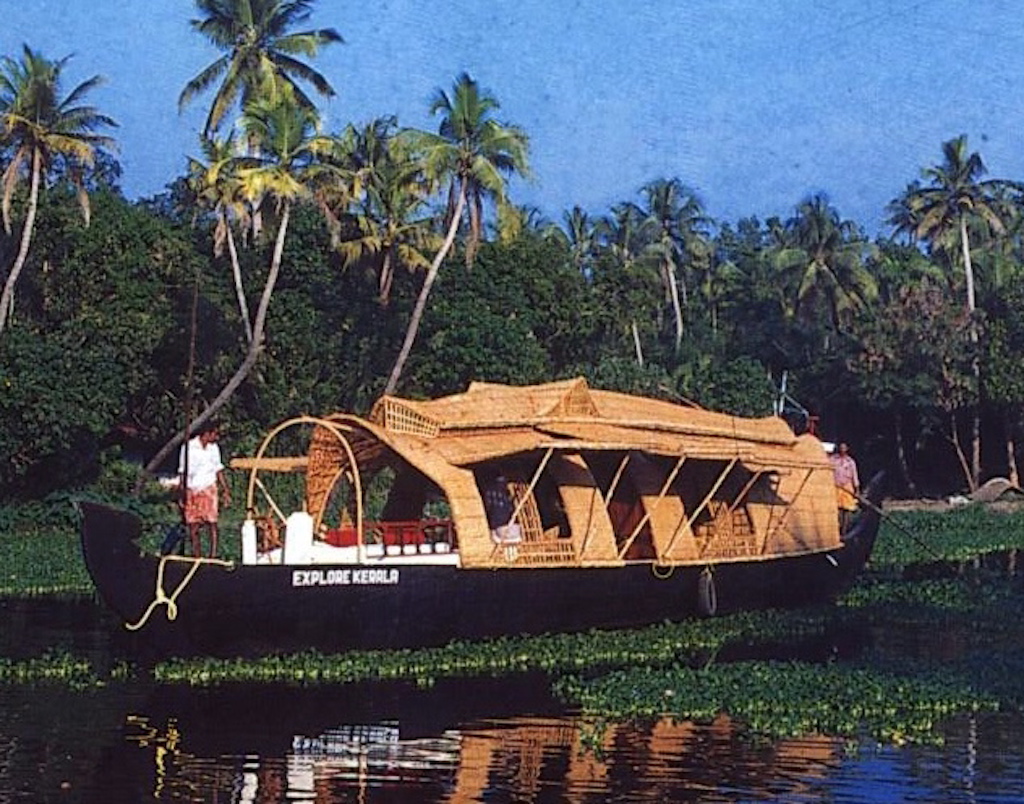
Houseboat in Kerala, stock photo
I am putting this post to share our experience of vacation in Kerala in the year 2001. Kerala was on our bucket list for a while, and we eventually made it. It was exciting to be there finally. It has been almost 20 years since we were there and, I am sure, things have developed, tourist traffic increased tremendously, and many more options are available for the tourists. I hope this post would entice those who travel to India and those who travel within India from different places to experience Kerala’s beauty and adventure. Kerala state is in South India on the Malabar coast and is known for its coconut palms and breathtaking backwater.
In February 2001, we flew into Bangalore from Hyderabad. From there we took a taxi to the train station to go to Varkala in South India. We could not travel the first A/C because Kanyakumari express did not offer it at that time. We got into second A/C, which was not bad except that it was divided by curtains instead of partitioned off with doors. Each sleeping car had four berths, two on each facing walls to accommodate four average-sized adults, one on each berth, and that is what we had. We had a delightful couple, Jagdeesh and Minikumari, share the compartment with us. They were traveling from Yemen to Kerala and were good company.
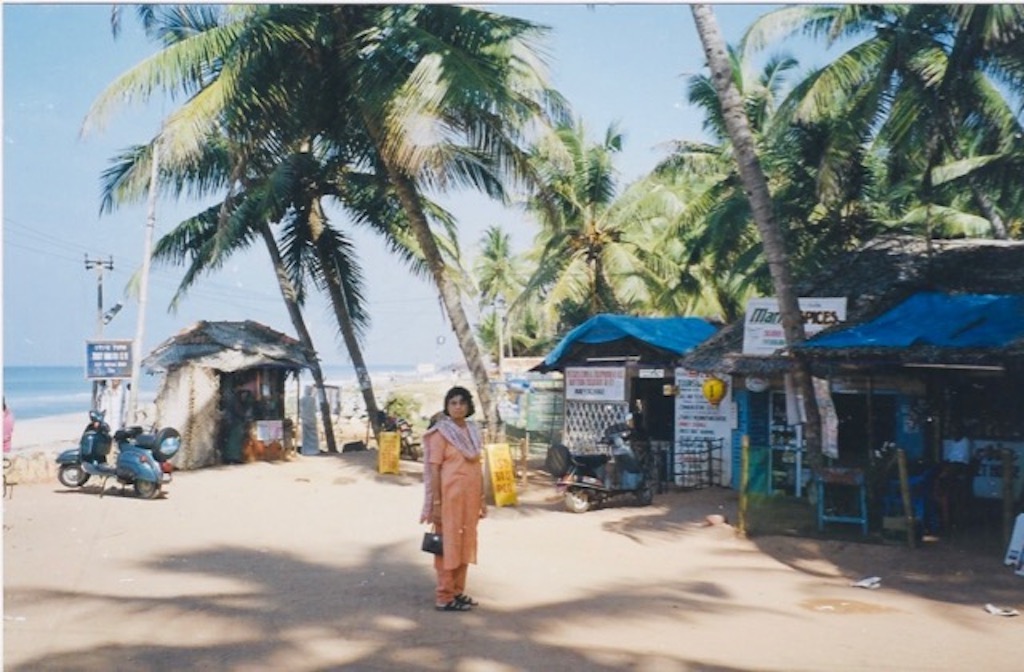
We arrived in Varkala
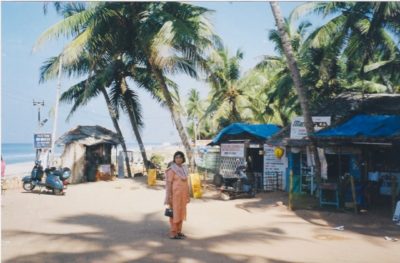
Varkala Beach
to scorching weather. We had to carry a big suitcase over the bridge at the station, walk down 70 steps, and walk through a large area to get a taxi. But as luck would have it, a taxi driver, Vijay, looked for passengers just as we came down. He took us to a Hotel called Preet. It was supposed to be a beach resort but was set away in the interior, and we had to drive at least 4 km on minor roads to get to it. The place was quaint and modern at the same time. There was a main building with few beautiful cottages at the front. We had a cabin with the main building as the backdrop surrounding a courtyard with beautiful gardens leading to the restaurant. A well-planned area rimmed by coconut palms providing a serene and inviting ambiance where the tables were set up for serving dinner.
After we checked in, we went to our cottage and decided to relax until dinner time. When we came down for dinner, food was already being served. We got a lovely table. It was delightful, with coconut-loaded palms looming large decorated with Christmas lights tied in strings to make them look like necklaces around the coconuts. Also, various shimmering lights were strung to the low bushes, which added to the charm. We enjoyed our delicately done delicious shrimp and fish curry served with Naan, rice, and salad.
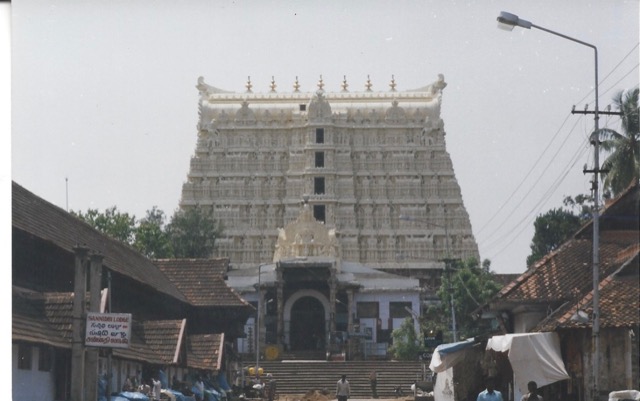
Following morning after breakfast, we went to Trivandrum (Thiruvananthapuram now) by car. Main sightseeing included beautifully carved Padmanabhaswamy Temple, situated in the city’s heart dedicated to Lord Vishnu. We walked around to take in the view.
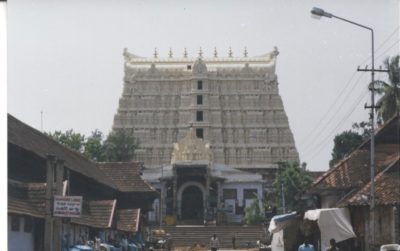
Sri Padmanabhaswamy Temple
After that we went to Sahara Restaurant referred to us by the travel agency. It was a dive but with great authentic Keralan food. They served Tapioca salad, a plate of rice topped with mixed vegetable curry with a side of coconut chutney. When we asked for a plate of fish, they brought us fried tuna curry and hiked the price from Rs. 20/- to Rs. 220/- but it was worth it.
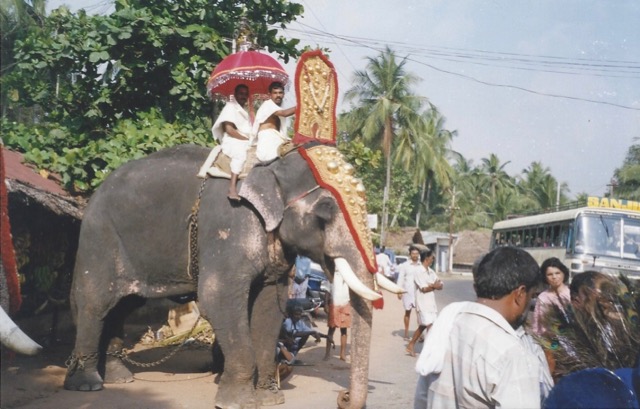
After lunch, we drove through Kovalam, and on the way, we came across a temple festival and got a chance to experience the culture and uniqueness of the place. Elephants looked majestic adorned with headdresses, and necklaces were the main attraction of the festival. A very cheerful large crowd where some people danced in animal costumes with traditional instrumental music of Kerala. Fluttering flags of different colors offered a visual treat.
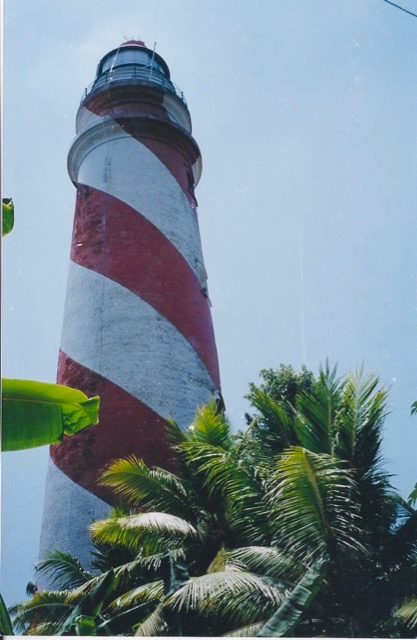
After that, we headed for Kollam, a prominent tourist destination, arrived there at 12:30 pm, checked in at Shah’s International Hotel, and had lunch in the hotel’s restaurant. We went to the beach, which was utterly deserted. The ocean, with it an immense body of water, was flat as a swimming pool. While going around, we saw the Tengasseri lighthouse, which is 135 ft making it the tallest lighthouse on the Kerala coast.
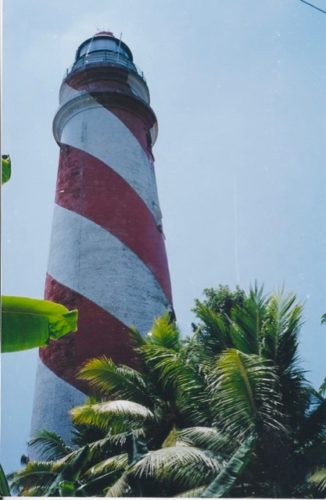
Tangasseri Lighthouse
Since there was nothing more to see, we decided to head out to plan our backwater village tour to see the village life at its best. Went to the ticket office to arrange for a backwater canal tour to Monroe Island for the next day.
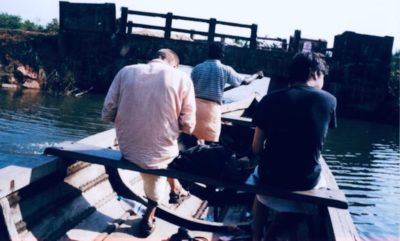
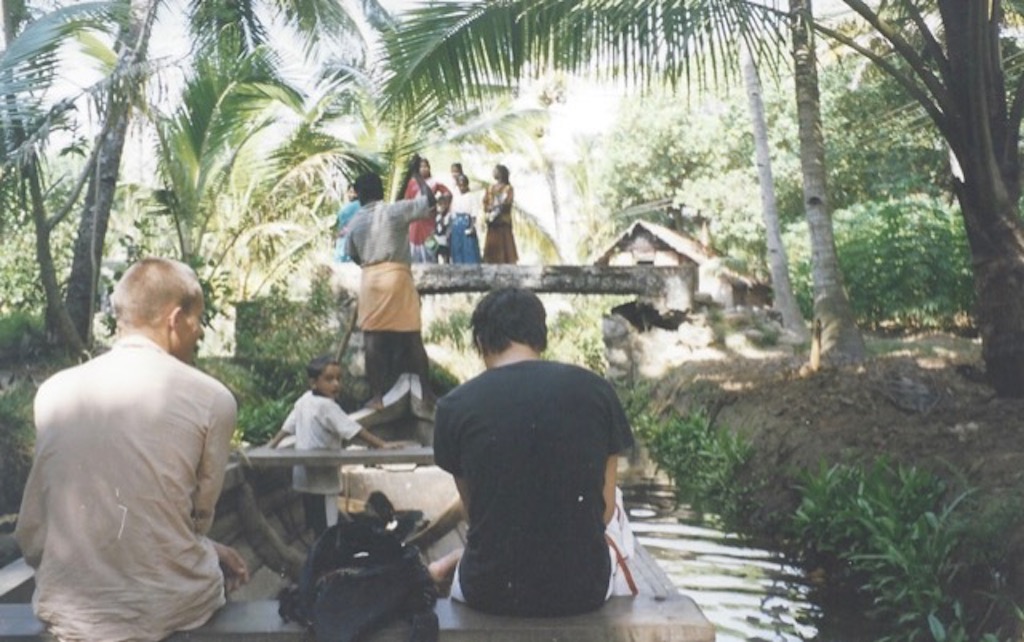
Backwater canoes
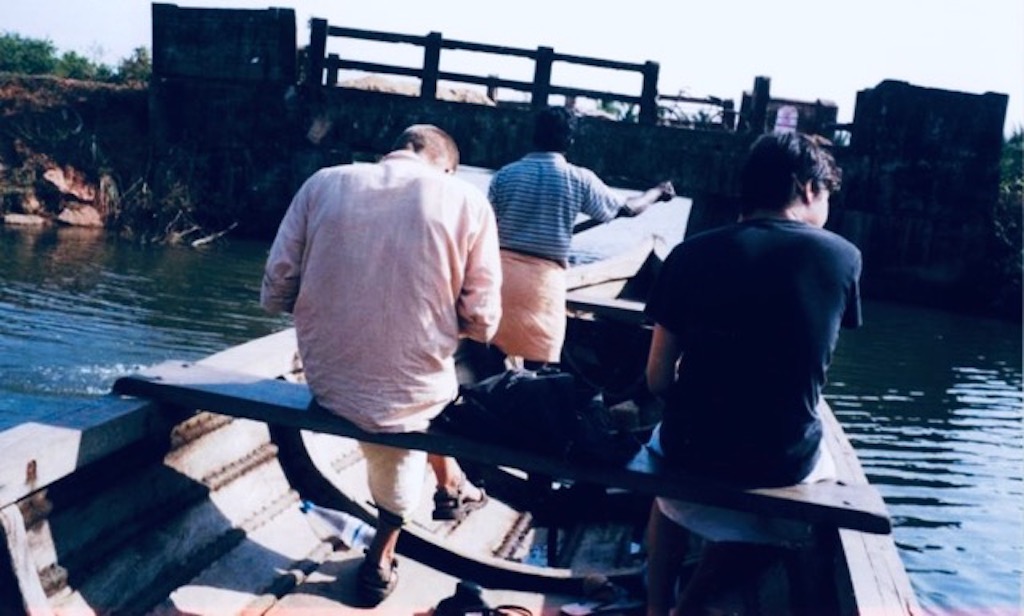
Backwater village tour is a canal cruise to Monroe Island. It cost us only Rs.300/- per person for a 3-hour tour. To get to the boat, we had to take a bus which took an hour. Once we came to a stop, the bus driver shouted for someone, and a guy came out carrying a little kid. There was some commotion and a noisy gaggle of people arguing. The bus driver told us to follow this guy to the boat. He brought us to a small canal with a canoe of reasonably big size. We were motioned to get in. There were two Japanese tourists also who got in with us. At this point, two crew members went looking for their punting poles and other gear. There were many families around, and one kid was standing with a school bag and giving poses to the Japanese who were taking pictures. He got in the boat to be dropped off at his home, seemingly was waiting to go home after school. Traditionally, the backwaters are regularly used by local people for transportation, fishing, and agriculture. Eventually, two crew members got in on either end of the boat, ready to begin the cruise. The canal was narrow, but they managed to squeeze through very skillfully.
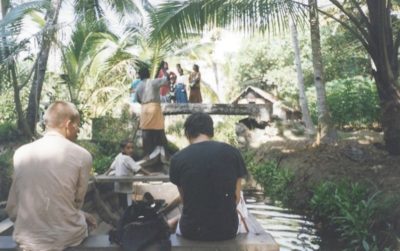
Another of Backwater Canoe
We continued on our cruise. We saw some jackfruit trees laden with fruits along the canals. There were cashew trees with lots of cashew apples with one cashew on each fruit. It is an exciting phenomenon. Each tree produces up to 100 pounds of cashews per year.
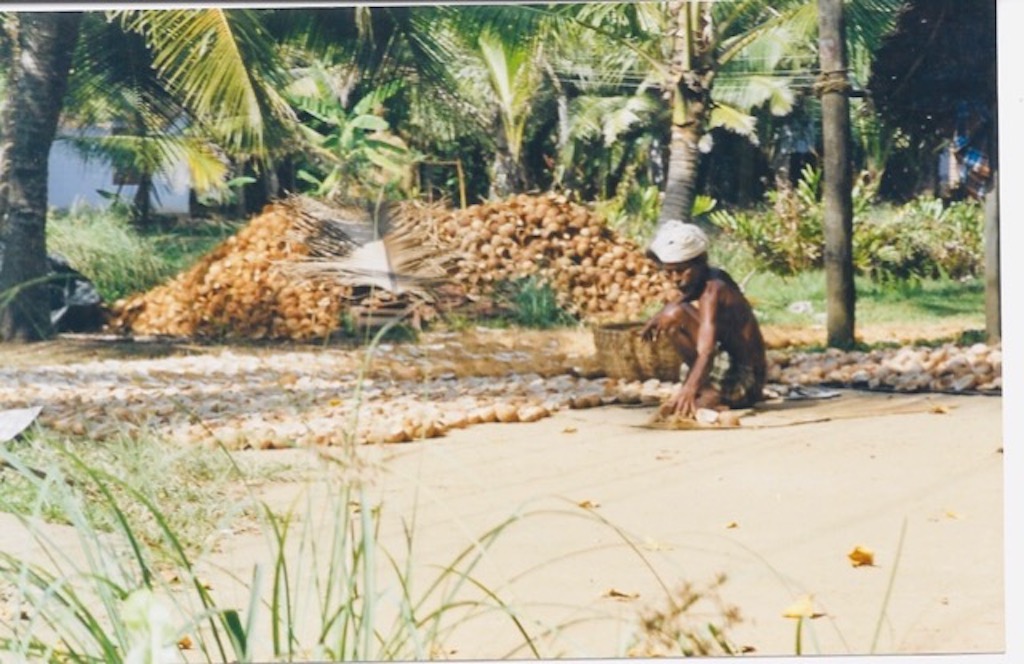
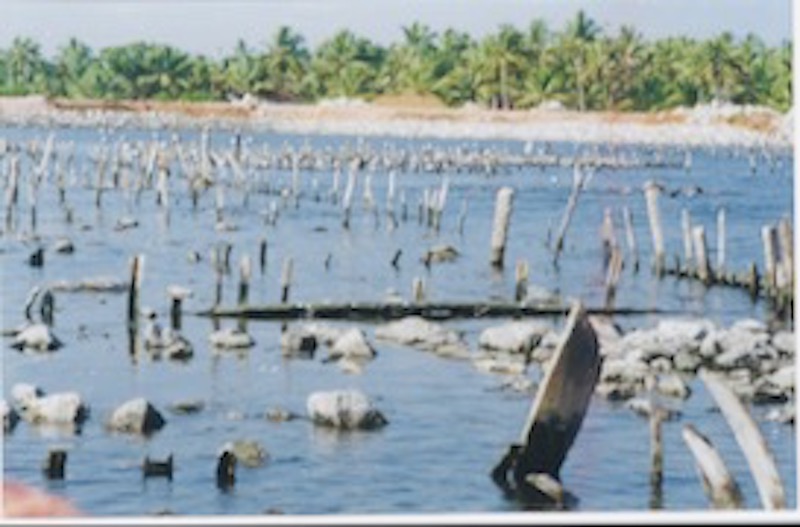
Our next treat was a brief stop to see Kerala’s primary coconut industry. Hundreds of coconuts are dehusked, shelled, and dried in heaps and heaps to be shipped for oil production. The shells are used for crafts. The husk is soaked in a nearby area of the lake for a year. To keep the husk down in the water, it was covered with plastic and weighed down with stones to keep the husk floating up to the top. Once it is thoroughly soaked, it is removed and brought out for women to make coir.
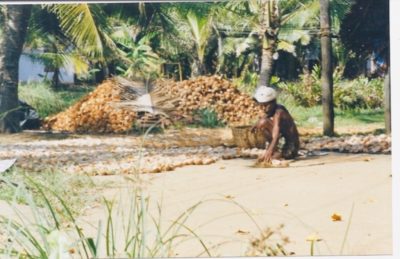
Dehusking and sorting different coconut parts
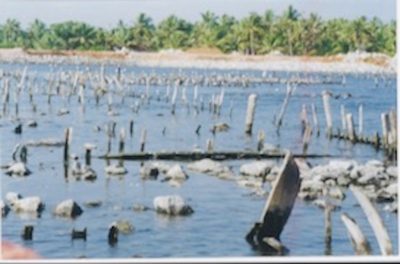
Soaking Coconut husk
On our way back from the backwater tour, they stopped to cut coconuts for coconut water. They were well prepared with the needed equipment. They even had straws. We had sweet, nutty coconut water followed by the soft creamy coconut, which they removed from the shells for us. It was a refreshing experience on a blazing hot day, but sadly an end to a fantastic trip through the canals. The bus brought us back to where Vijay, the taxi driver, was waiting for us. It was late by the time we got back. After some rest, we freshened up to go to the restaurant for dinner. Again there was fish for dinner with tomato curry, noodles, rice, and bread.
The next morning’s breakfast at the Shah international Hotel’s Noor Jahan Restaurant was an experience in itself. After a long wait, we were told to go back to the room to send a full breakfast. This time it came in a short time. We had breakfast and headed out for the ferry ride, which was to take us to Alleppy (now Alappuzha). This trip lasted for 8 hours. Once we got to Alleppy, we hired a houseboat with one bedroom for a 24-hour cruise around Alleppy.
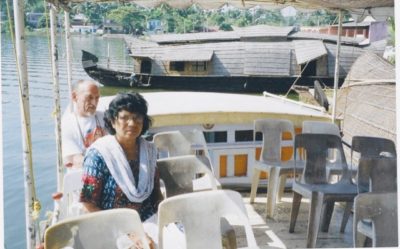
On a Ferry to Alleppy
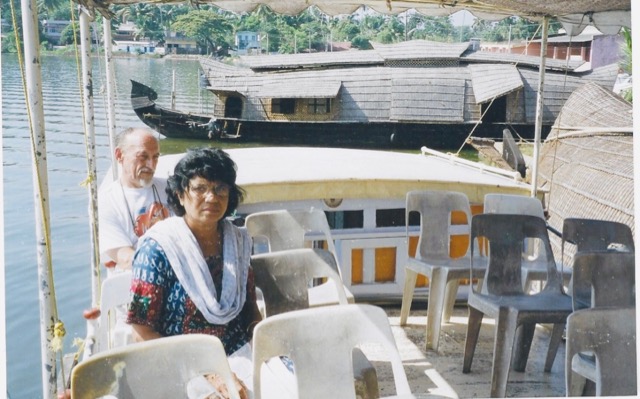
The boat had a comfortable bedroom with a mosquito net hanging in the center, tucked around the bed before sleeping. The covered bow area was set up with comfy chairs and a table in the middle with snacks and juices to welcome us. There was three crew member on the boat: a punter, a helper, and a chef, Jain. We relaxed with a cool breeze blowing, looking out on the vast expanse of the beautiful shimmering lake. Moving through the lake and then through the backwater canals of Alleppy gave us a fascinating glimpse of everyday life and the natural beauty surrounding us; there was unique energy around where people lived and worked.
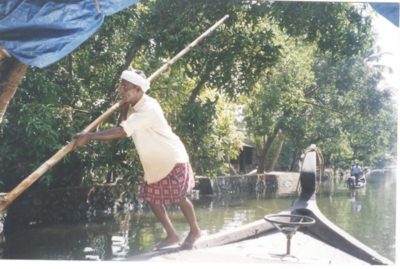
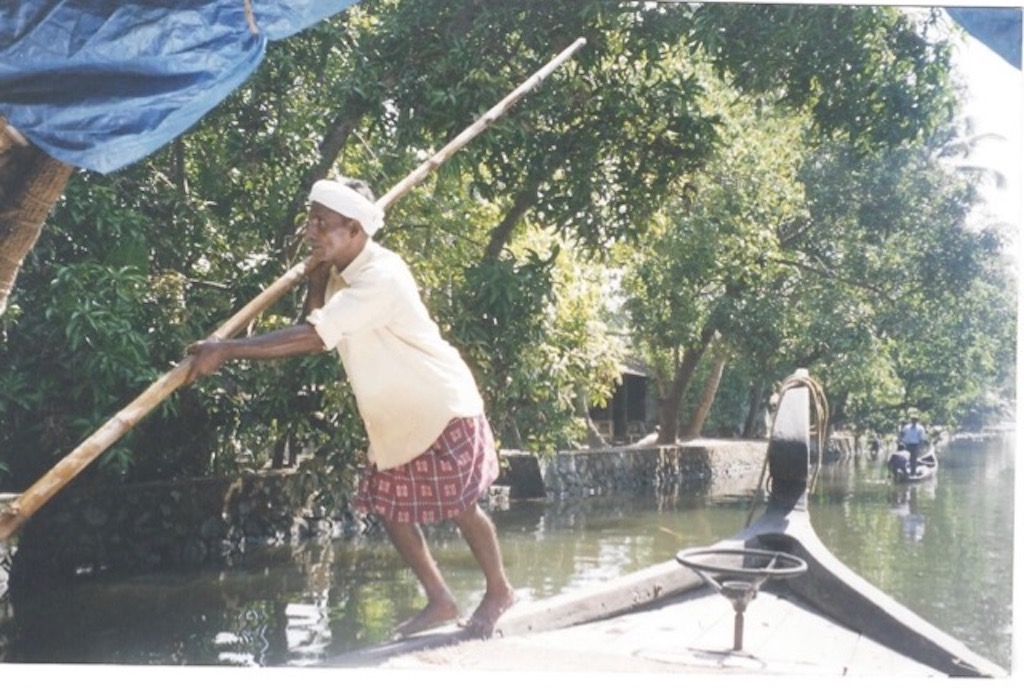
House boat Punter
The punter propelled the boat by pushing against the bottom with his pole, seemingly effortless for him while the helper was sitting, ready to be called on for any help anyone needed on the boat. The most surprising part was that there were many women on the lake in their canoes dressed in regular attire, Sarees. There were three women in one canoe carrying something, and it was hard to see what. Another woman was just in a canoe enjoying the water. One boat used for transportation was carrying clay and steel pots, and tourists used canoes to take pictures and enjoy their trip. As we moved along, we saw gaps created in the boundary wall, the top of which was lined with stone slabs. These gaps led to steps to the water for people to bring their laundry to wash. They used the stone slabs to beat their laundry items to get the stubborn dirt and stains off the clothes (no stain removers for them). It took me back in time to when this was our way of washing when we needed clean clothes when our dhobi (the guy who took a massive bundle of washing every week) was late bringing beautifully washed and ironed laundry for us to use. We had a good time cruising around. A view from the boat, while the sun was setting, was picture perfect. We didn’t see another houseboat for the entire 24 hours we cruised.
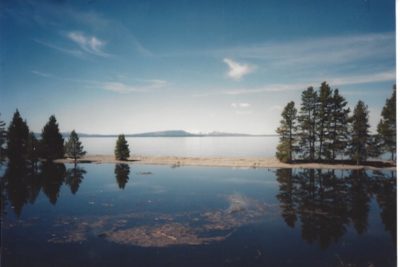
Sunset click after parking
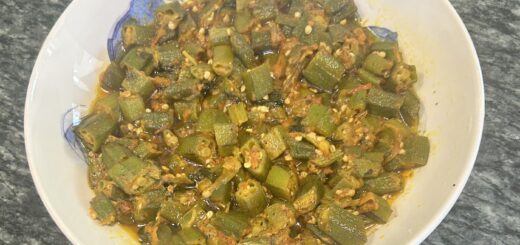
Jain, our chef, made a delicious dinner of dal, okra fried in coconut oil, curried carrots, fish curry, chapattis (Indian bread), and rice. Everything was done in coconut oil which I didn’t care for at first, but I wanted to eat authentic Keralan food, and it grew on me. It was not that late when we finished dinner and had a chance to admire the sunset sitting in the bow area.
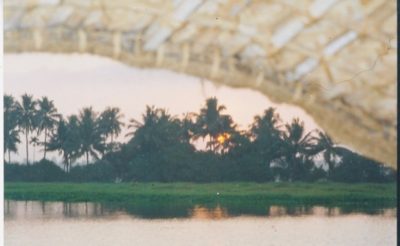
beautiful view from the boat
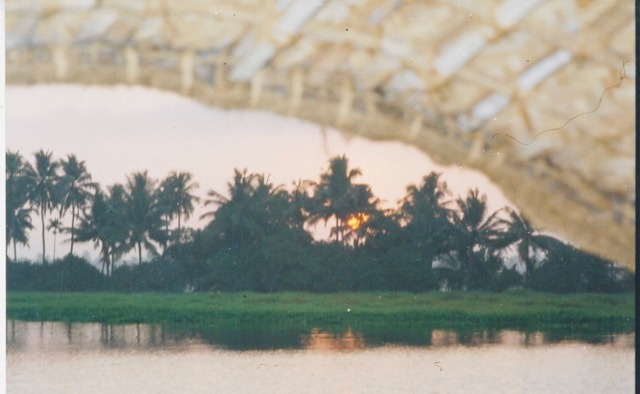
From where we could hear the people talking and kids playing way in the distance. There was an incredible view of the sun going down behind the coconut-rimmed lake. As the evening progressed, an invasion of mosquitoes and bugs came in full force; therefore, it seemed like a good idea to retire to the mosquito-proof bed.
The bed was comfortable, and the room had a nice breeze for a restful night’s sleep. We woke up fresh to a lovely, cool morning in a lazily rocking boat to a gentle breeze. They parked the ship to serve traditional Keralan breakfast with all its trappings was delicious. A hot pot of tea with milk and sugar served on the side was how we like our tea and enjoyed everything to our heart’s content.
After breakfast, we started our float back to Alleppy with the gentle punting of our captain with the sound of the gentle lapping of water on the side of the boat. Their people were fishing, and a woman was diving to catch fish with her bare hands. She had a bowl floating behind her which was attached to her body, again we knew from Jain, our chef, that she puts her catch in the bowl and, when filled, takes it back to sell on the shore. The most exciting part for me was that she was in her traditional dress, saree while on her fishing expedition.
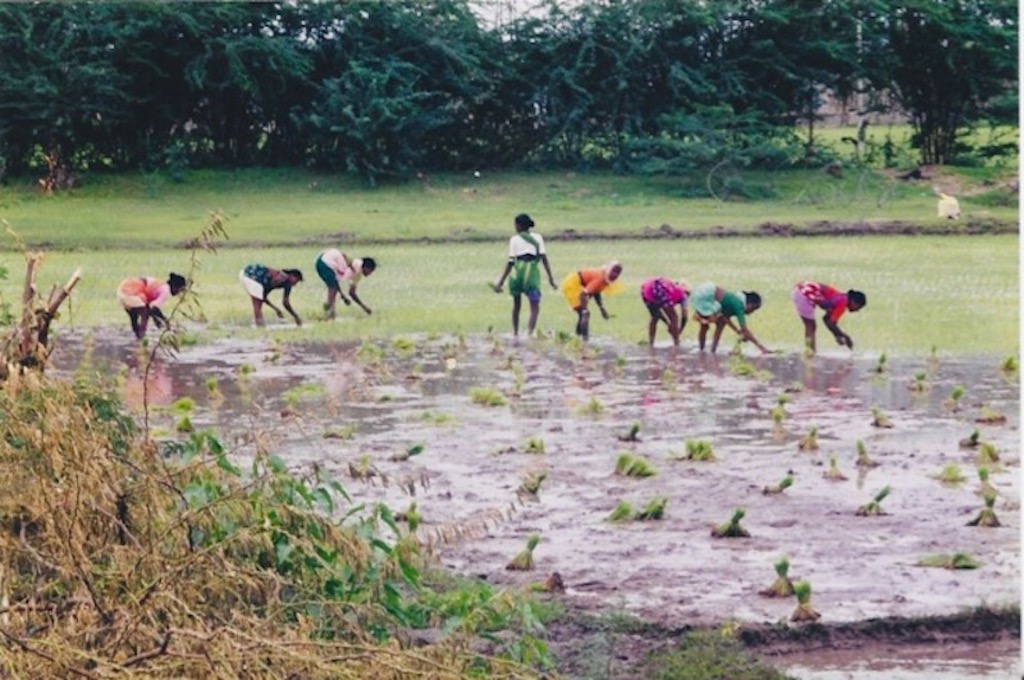
We also passed many rice fields where women pulled out the rice seedling from one area to transplant them to a prepared wetland. This method of growing rice needs less seed, and transplanting is an effective
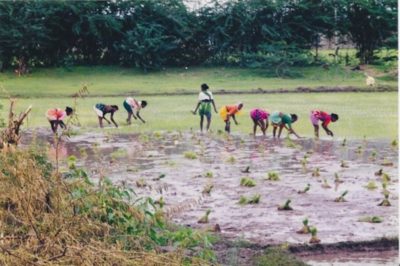
Women replanting rice saplings
method to control weeds. There is chirping and fluttering of the birds and quacking of the ducks while they waddle on peacefully and lazily, providing us with another level of pleasure.
Our last stop of the trip was Cochin. We took a taxi to Cochin (now Kochi)from Alleppy and booked into Hotel Sea Lord for two nights. A good room with A/C and TV made a comfortable stay. The following morning, after breakfast, I was on my regular pilgrimage to an Ayurvedic Massage at walking distance. One young kid escorted me there and back for an Rs.50/-tip.
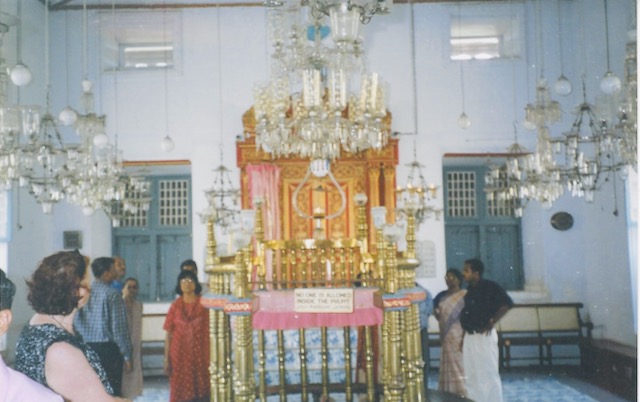
For the rest of our time in Cochin, we were busy sightseeing, shopping, eating, and resting. The oldest synagogue is located in Jew Town. It was built in 1557 but was destroyed by the Portuguese and rebuilt by Dutch.
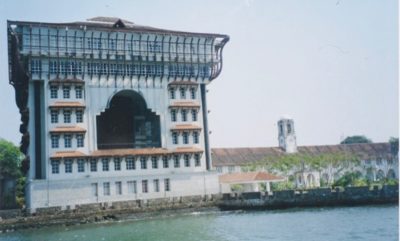
Port Cochin
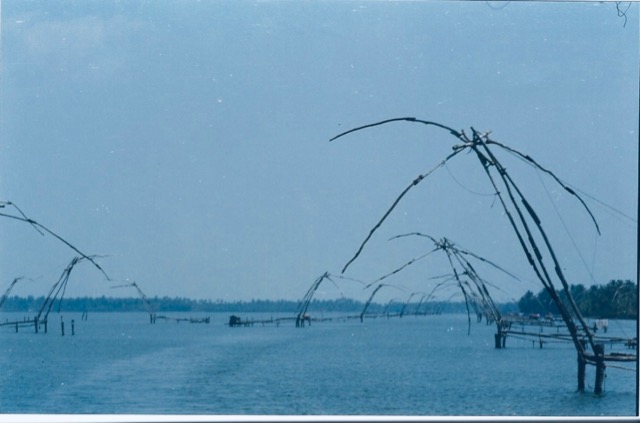
Even now, there are members of the synagogue who use it to worship on Saturday and Sunday. One other sight to behold is Chinese fishing nets which have become a tourist attraction. Legend has it that they were introduced to Cochin by a Chinese explorer and are in operation ever since. We came across several Chinses fishing nets alongside the coast. They are fixed 10 feet tall mechanical installations used for fishing that hold horizontal nets around 20m across. They are lowered and pulled up within a short time. The size of the catch varies and is
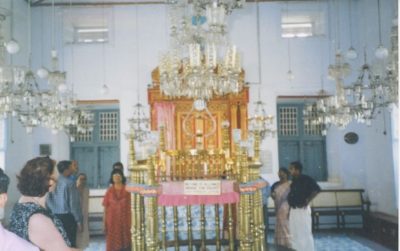
Jewish Synagogue
apparently, sold to the passers almost instantly.
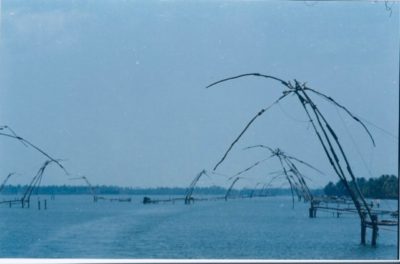
Chinese fishing nets
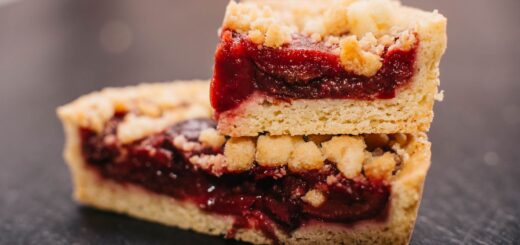
On our last day in Cochin, we did a lot of shopping. Walked around and found a mithai (Indian Sweets) store where we bought Keralan dates and nutballs. They were delicious, healthy, and easy to make with easily available ingredients. Our vacation in Kerala ended and we flew back from Cochin to Bangalore, to Hyderabad. We had a great vacation, but we still had a long trip ahead the following week when we were to fly back home to the US.
for the Dates and Nut Balls recipe Click here