
Category: China, October 8th, 2014

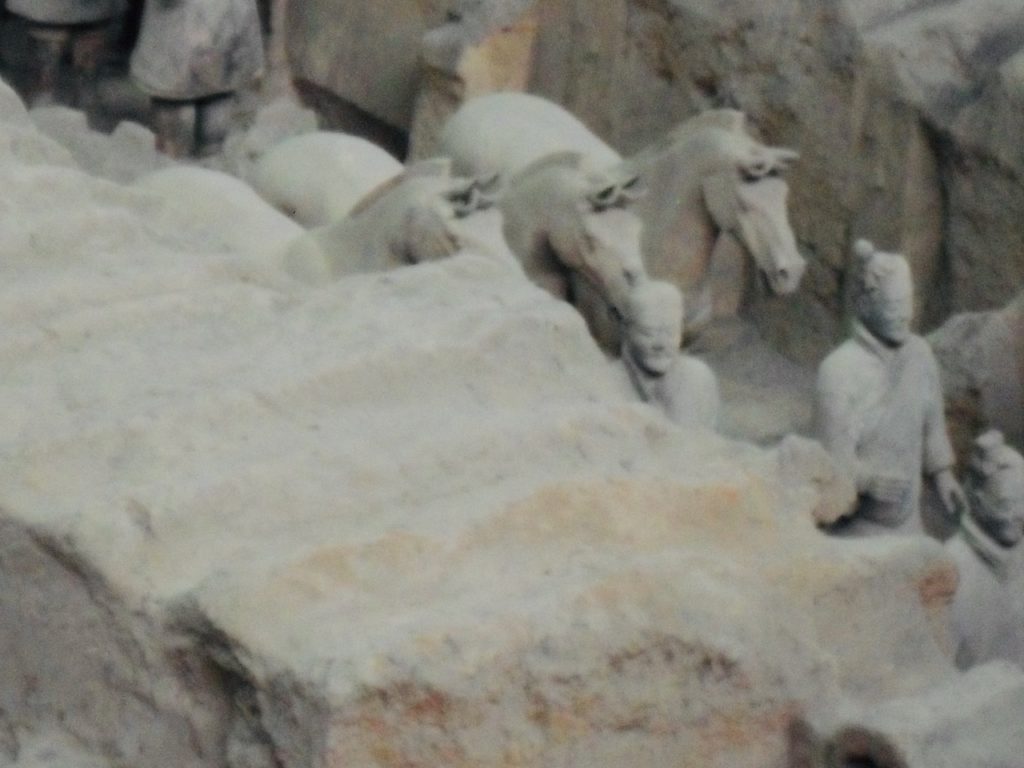
Terracotta Army Museum, Xian, China

Terracotta Army Museum, Xian, China

In 2014 while in China, we visited Xian, a legendary city. We chose a guided tour with a wonderful, English-speaking guide, Magie. We didn’t have as much freedom as independent travelers may have, but it was the best way for us.  Everything was planned down to the nitty-gritty of must-see sites and must-eat foods. We visited the most beautiful sites and ate authentic Chinese food in five-star restaurants.

After three days in Beijing, we went to Xian. On our first day there, we visited Xingquing park and had a great cultural experience and a lot of fun. After one night’s stay, we departed for Terracotta Army Museum at 8am by our tour bus to get there early. It is one of the sought-after and considered to be the greatest tourist site in the world.  It is a huge facility of several buildings housing the museums. Stepping inside was an amazing experience. It had such an impact to see a sculpted army of soldiers made of terracotta, all facing forward down in the trenches, each with very detailed uniform and unique facial features.  Each warrior looks different because thousands of artisans hand carved each clay molded figure giving them their own individual interpretation.  According to the information given, there are 8000 terracotta warriors and horses, but less than 2000 are on display. Their height varies according to their position in the army. An average soldier is 6 feet tall, while the Generals are over 8 feet tall. The figures dating from the third century BCE were molded with yellow earth, which has an adhesive quality and plasticity. The earth was ground to remove impurities. Then grit was added to strengthen its properties.
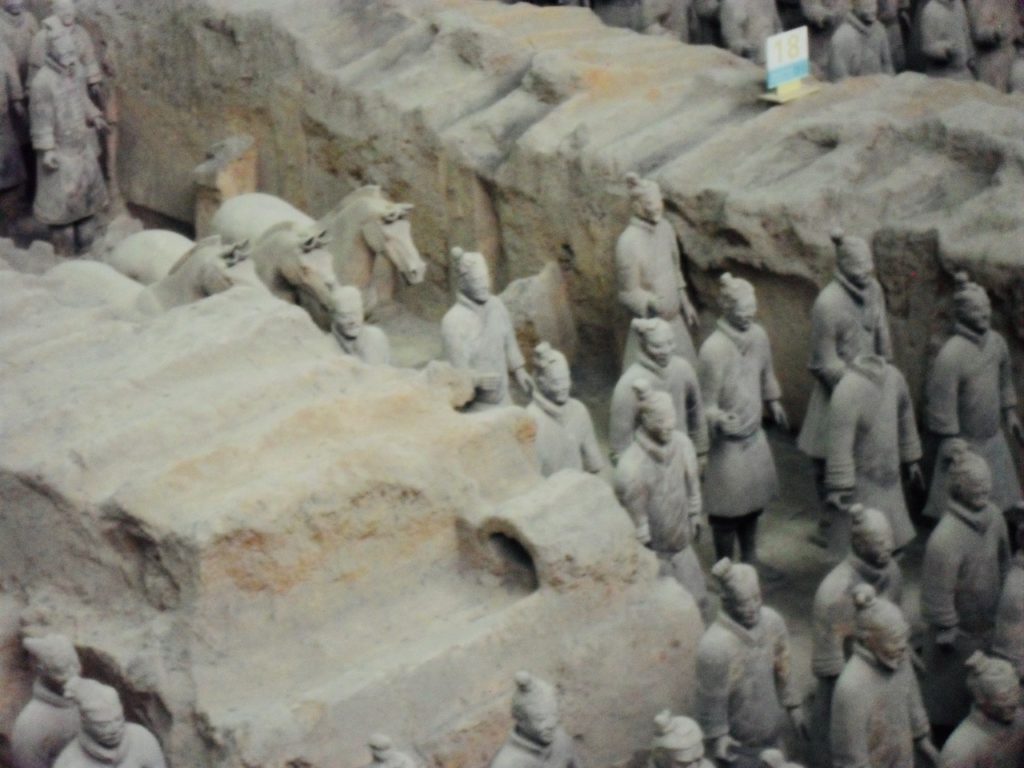
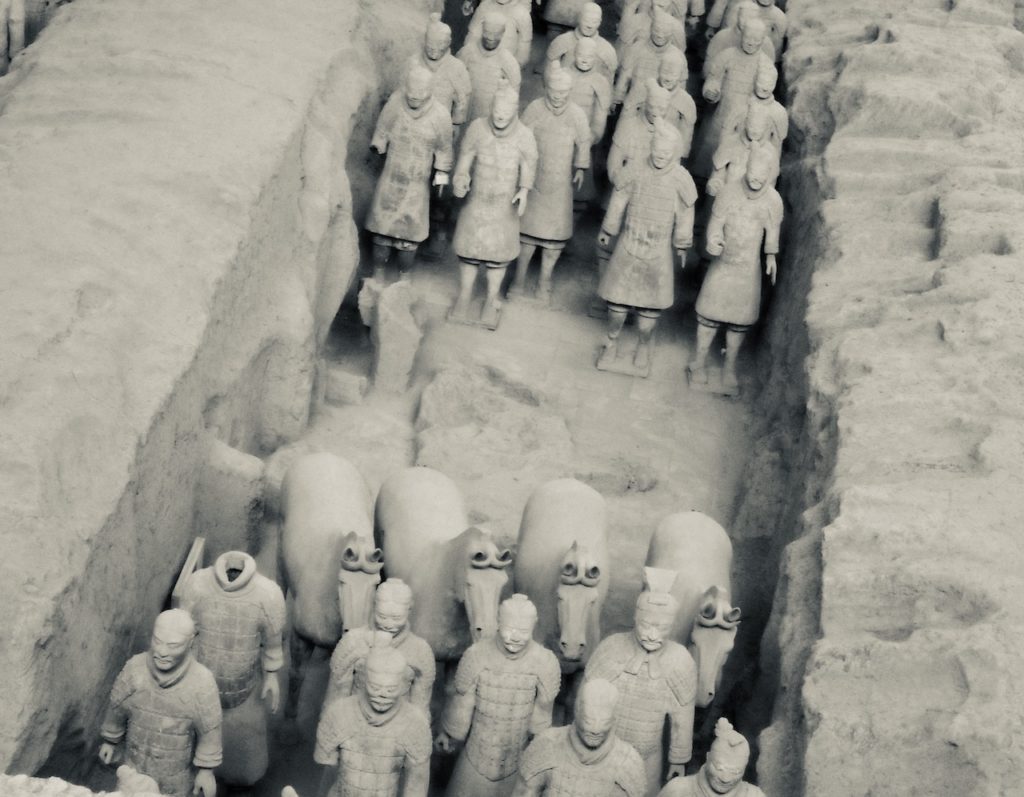
Soldiers and Horses

These life-size pottery figures were constructed by millions of laborers under the emperor’s order, Qin Shi Huang.  The construction process involved the construction of his mausoleum together with the underground army and lasted around 40 years. 210-209 BCE (Before Christ Era). The purpose of the terracotta army was to protect the emperor in his afterlife. 

Excavation and restoration were still going on in 2 of the 3 vaults. Some of the soldiers were without heads. Research indicates that all the body parts were created separately and then assembled. It is believed that heads and arms were produced in molds as separate pieces. Finer details were worked on by the artists after applying clay to the surface of the sculpture. Once ready, they were fired in kilns to make them hard and long-lasting. Bright colors were applied to make them unique. But it was disturbing to find out that all the craftsmen who sculpted these soldiers were killed as soon as they completed their work to keep the gate entrance to the mausoleum a secret and prevent the art from passing to later generations. It was a great learning experience.

This visit allowed us to learn about China’s military development in the Qin Dynasty (221-207). It was interesting to know the emperor’s belief that people could enjoy their possessions and wealth even when they were dead, something which held particular significance and meaning for the ancient Egyptians, yet those two countries had no contacts.

Furthermore, it reveals the ancient funeral art of making highly skillful sculptures which the Chinese mastered thousands of years ago. Most of all, this information provides insight and material for studying ancient Chinese civilization and its effect on the civilizations in general.

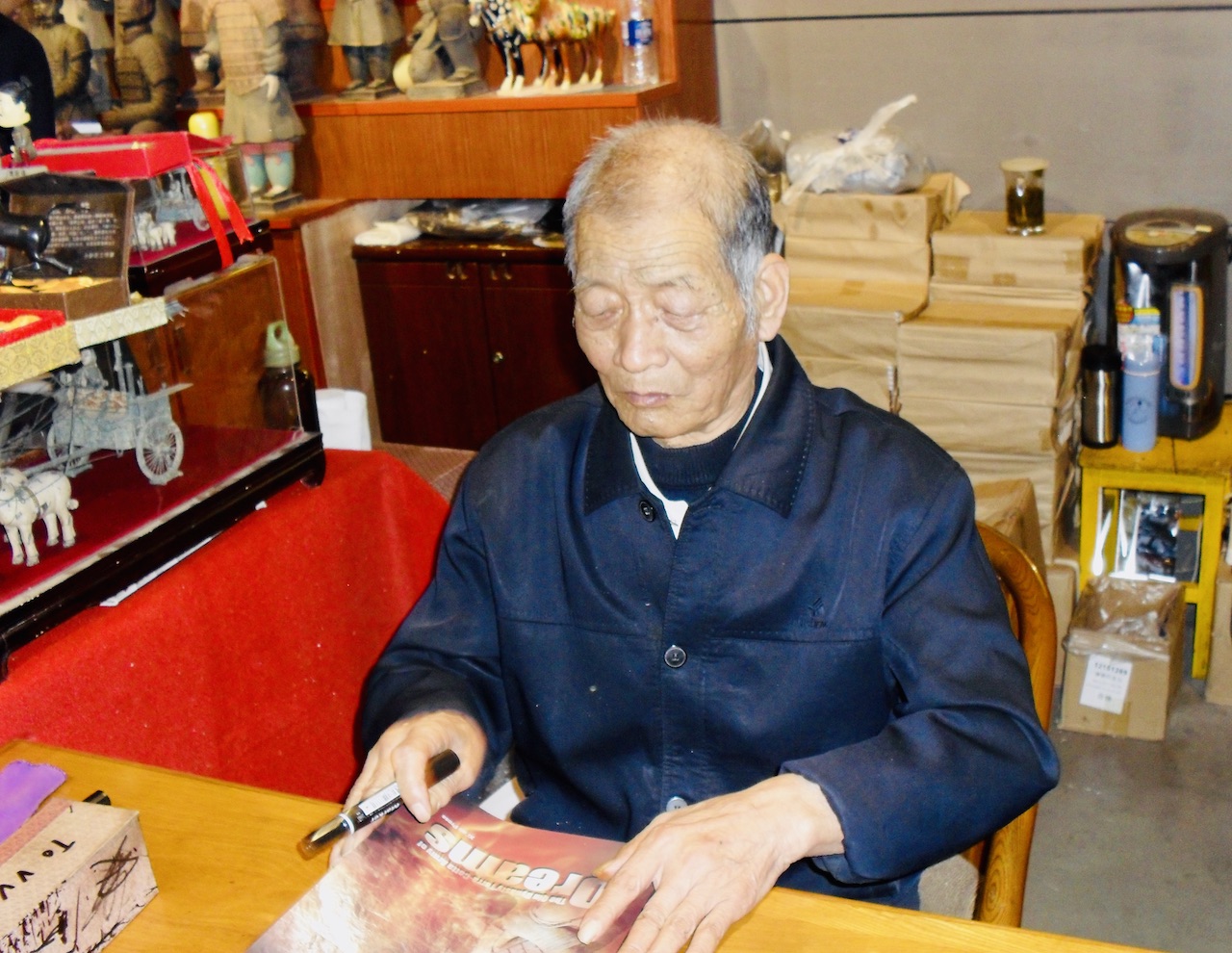
The site was discovered on March 29th, 1974. It is located about 1 kilometer from the emperor’s tomb and was buried under five meters of earth. On the farm, one of the well-diggers, Yang Zhifa, accidentally dug out ahead of a terracotta warrior with his hoe. When the museum opened in 1979, yang Zhifa became the first book signer in the museum book store as the discoverer of the Terracotta Army.  In June 1998, he signed and presented a book to the former American president, Bill Clinton.  Now 87 years old, Yang Zhifa was still working when we visited in October 2014. We were lucky enough to meet him.
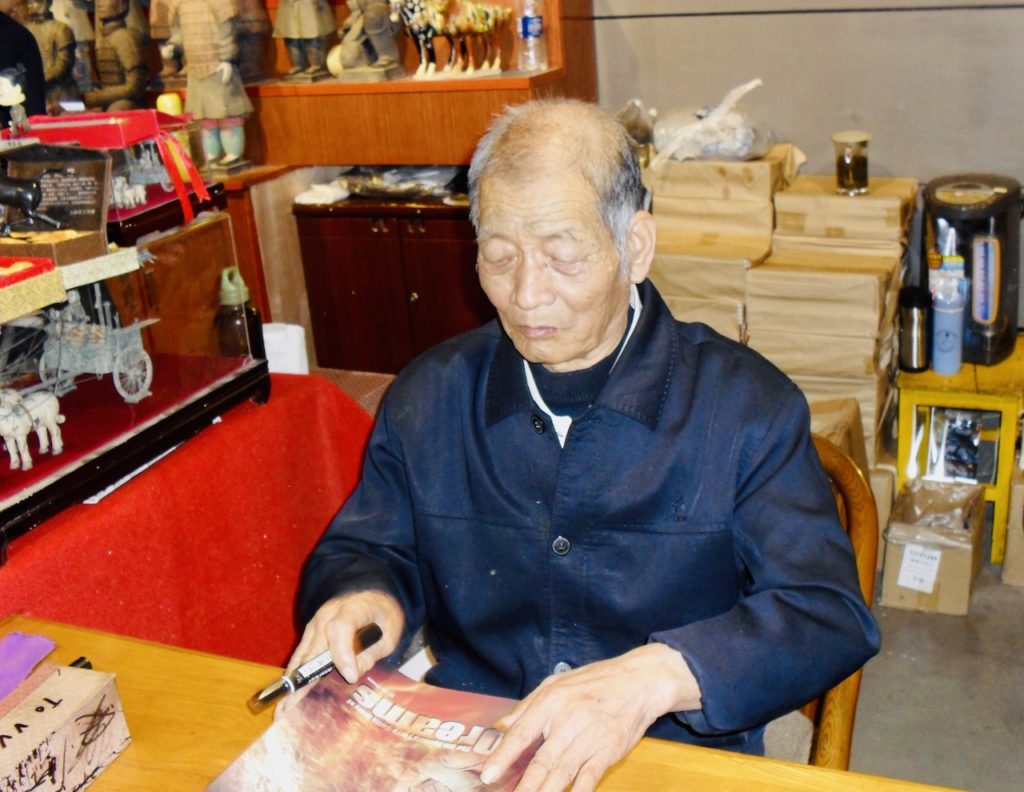
The impact of this visit on my senses is indescribable. I did not even know what we would see or what Terracotta meant until I found out that it is an Italian word meaning baked earth. They created baked clay figures of a whole army in which each soldier was astonishingly and meticulously crafted. To actually witness this magnificent, massive, and incomprehensible wonder was mind-blowing. I don’t even know if I can describe what I saw in a credible way that others could understand. Even more astounding was the fact that the emperor, at the early age of 13, was planning his own burial with all his treasures, not to mention the whole army. This was a day full of surprises and a visual journey with emotional overload.

After spending a few hours at the museum, we left and headed back into Xi’an to have lunch.  We had a delicious meal where they served kung pao chicken, cabbage, and other dishes made with Schwan pepper. Its taste or tingling sensation in your mouth grows on you and is great fun to eat. 
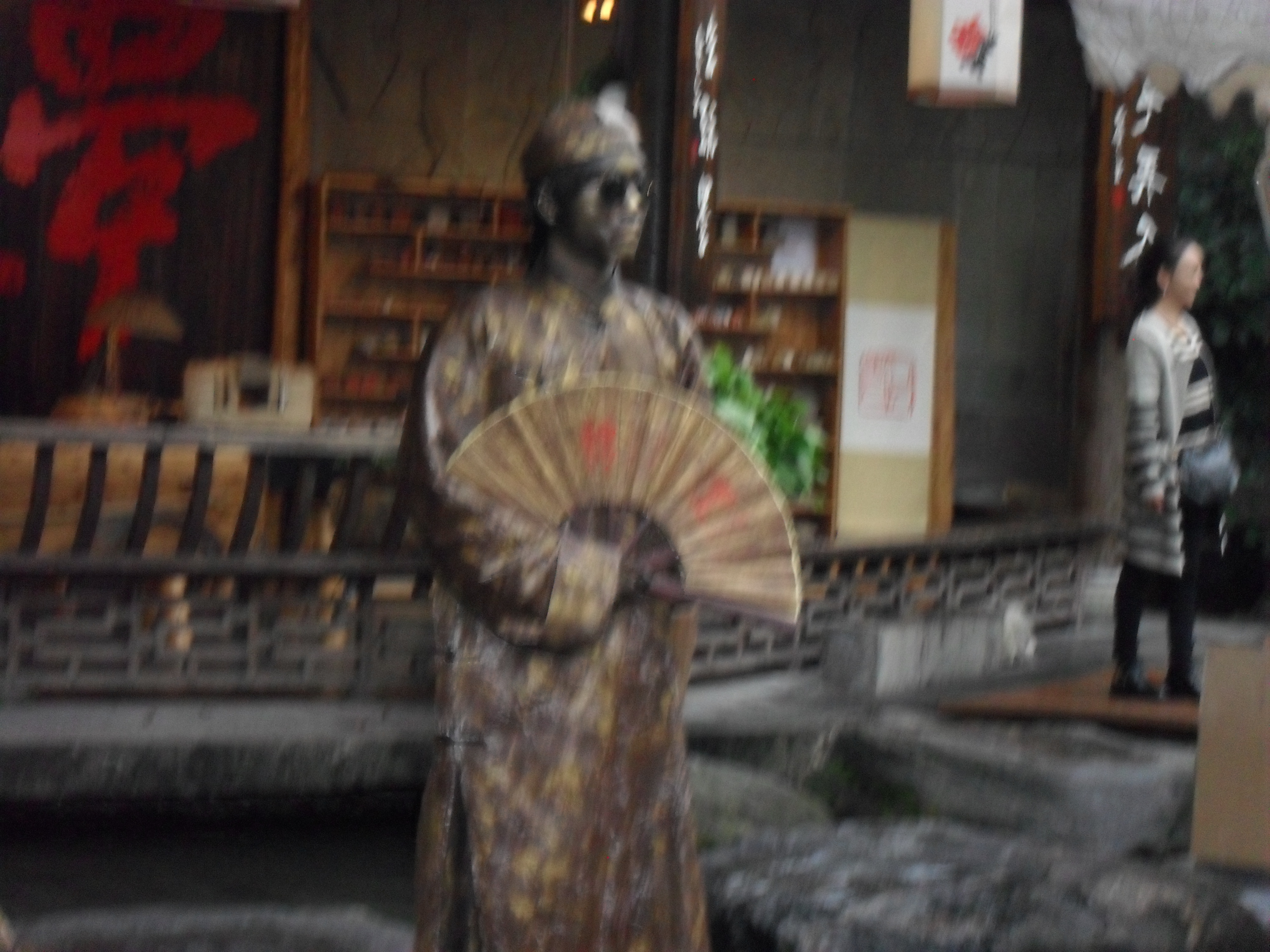
Jinli Pedestrian Street, Chengdu, China

Jinli pedestrian Street, Changdu, Sichuan,ChinaTrip

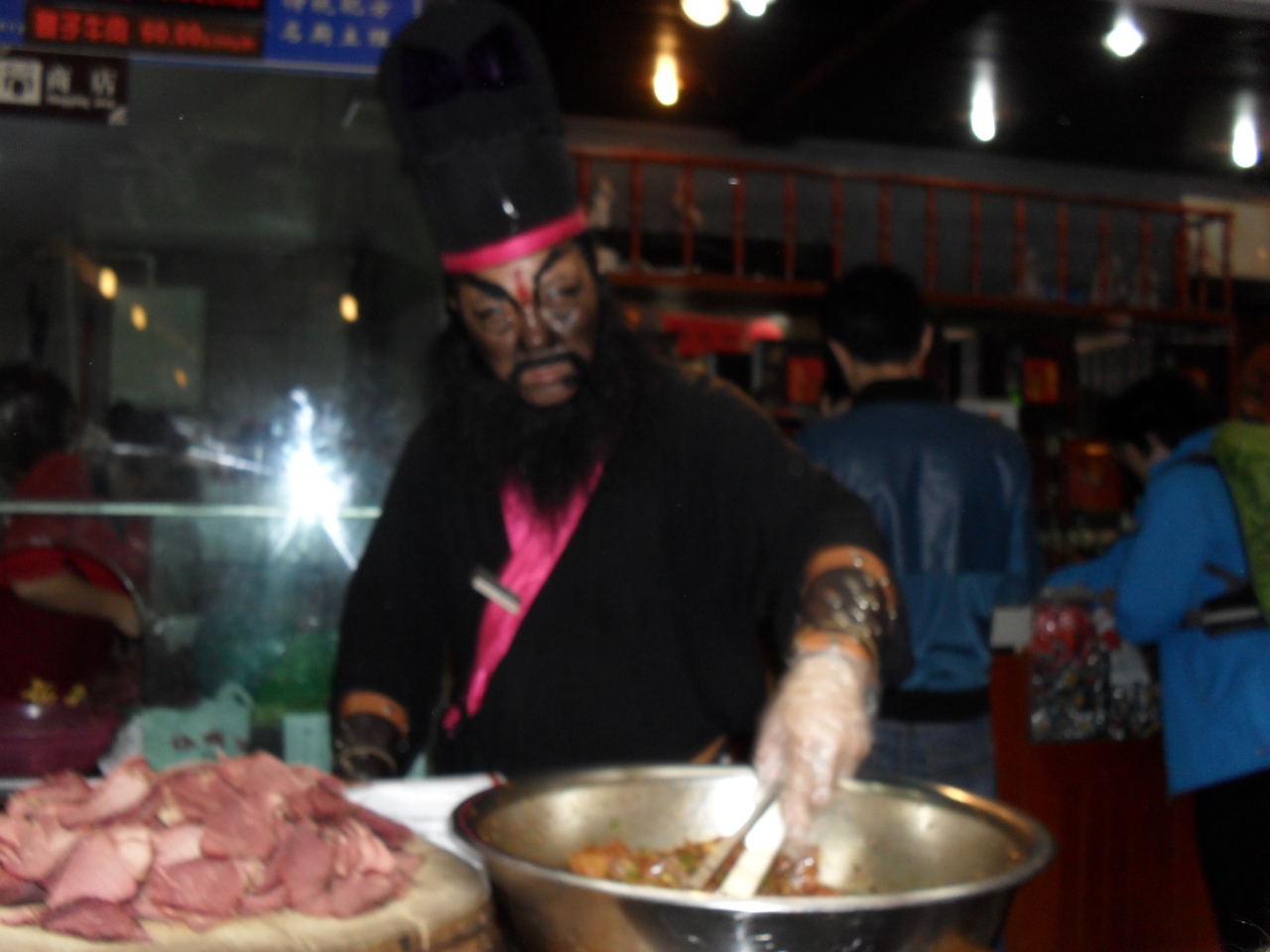
Bowl of beef tendons

We went to Bejing first, and then to Xian. Our third stop was Changdu where our itinerary included a trip to the Panda Sanctuary, and Emi mountain. This involved an overnight stay in the area, which really meant two days and one night. These visits to the Panda Sanctuary as well as to the Emi mountain, we were informed, involved a lot of walking with 1000 steps of hiking up and down to the mountain. We were tired and thought that it would be a difficult undertaking. And after real soul searching and assessing the situation we decided to ask our tour guide to arrange for us to stay behind in Changdu. Magie, our tour guide said that it was against the policy of the tour company that they leave behind some members of the group, but said she would  try  to explain to them the circumstances. She obviously didn’t have any difficulty in negotiating our stay in Changdu with her tour company. While rest of the group continued on with the scheduled trip,  we stayed on in Chungdu.

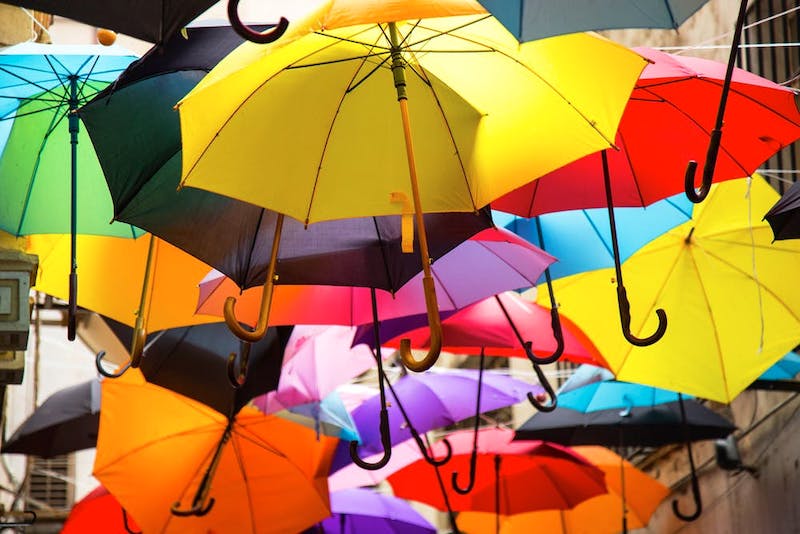
Around 11:am we left the hotel by taxi to go Jinli Street, which was part of the itinerary if we were to be part of the group on the way back from the Emi Mountain. Jilni is an ancient, pedestrian street  which is a  highly recommended tourist area. Even though it was a rainy morning, the street was very crowded.  When we entered the street, the first place we spotted was Starbuck. We had our second breakfast with a large cup of coffee and really enjoyed it. It was raining fairly hard, so we stayed inside and watched people walking with umbrellas. It was very interesting to see almost everyone had a colorful umbrella, and it seemed like an organized umbrella parade. We could see umbrellas from the window where we were sitting in Starbuck.With all the colorful umbrella it was a sight to behold. Stunning colors were similar to the one in this image.

Colorful Umbrellas, stock photo

We decided to go out when we saw that all the umbrellas had disappeared.

The stalls along both sides of the streets carried souvenirs, arts and craft, and most of all a great variety of local cuisine. Chinese have mastered the art of cooking and eating. The choice of food was incredible. In one place there was a huge bowl of ox tendon. You could buy a portion in a leak proof bag as a single serving. It was delicious and very reasonable. There was a large mouthwatering variety of snacks available but making a choice and finding out about the dishes without speaking Chinese was a herculean task. At one of the stalls we were standing looking and deliberating what to get, when a nice young Chinese lady who spoke perfect English approached us and asked if she could help. With her help we ended up buying sticky rice buns; spicy delicious beef wrapped in banana leaves, and crispy beef rolls packed in plastic bags. Each plastic bag contained 3 rolls. Everything was delicious and rolls were crispy, light and tasty.

The interesting part of the street was how people were strolling in a leisurely, relaxed and peaceful fashion down the narrow street eating, shopping and having a good time with their families. We spend four hours of most pleasurable time on Jinli Street.

When we came out to go back to our hotel it was hard to find a taxi because of the  language barrier. There were some young kids standing there, and they came over and wanted to know  if they can help. Although they did not speak English, they managed to understand that we wanted to get a taxi. With full enthusiasm they offered to help and got us a taxi and explained to the driver where we wanted to go by showing him the hotel card we gave them. They were a great help and were very polite and caring.

We came to the hotel and relaxed for the afternoon. Then we decided to go out shopping, after which we had our dinner in a fast food restaurant. We were back in our hotel room by 9:30, and ready for an early night.

We had one more day before our group came back. We explored the city. Shopping in the nearby mall was relaxing and  interesting because we found stores which carried a lot of American brand names. We bought some sweaters and jackets at very reasonable prices. we also had our lunch at the mall. It was easy to pick up what we wanted to eat. There were lot of dishes with which we are very familiar, and are in our normal culinary repertoire at home.

Walking back to the hotel, we found a fast food restaurant a few doors away from the hotel. The food was served in bowls. We got KungPao chicken and rice which was delicious.


Trip to Xian China, October,2014

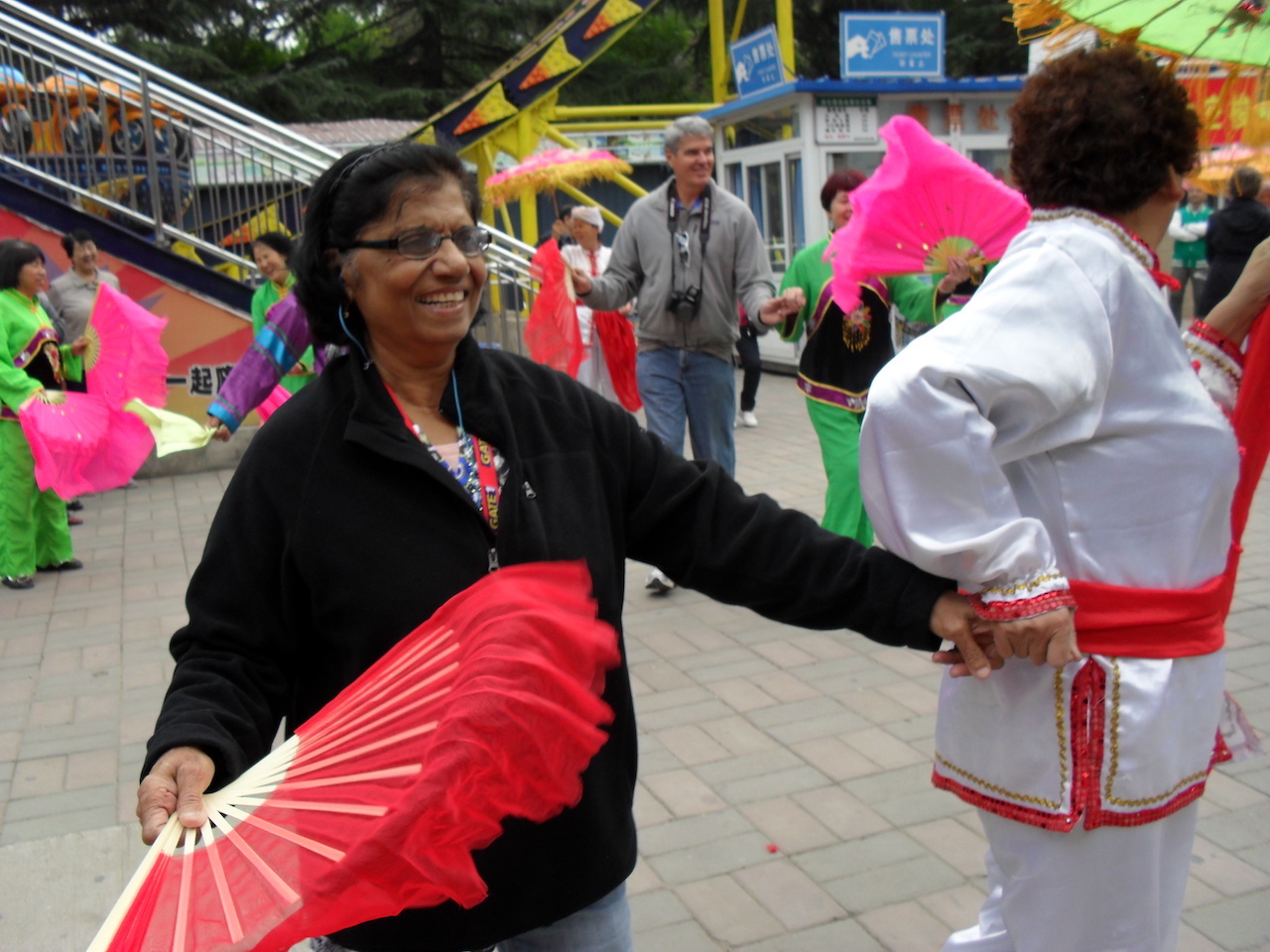
Being pulled into the dancing group

Trip to the Xingqing Park in Xian

After 4 days in Beijing, we flew into Xian. Next day after breakfast we had the opportunity to visit Xingqing park. It is a large park, filled with people ,  and was a hub of activity that morning. Obviously every morning the park becomes an enormous gym for everyone who wants to exercise. To say just exercise would be an understatement. It is more than that, it is  an opportunity to be outdoors and socialize with people. There were areas dedicated to dancing, singing, and playing games. It is a unique concept where everyone not only gets a chance to exercise outdoors in invigorating fresh air, but also to participate in different games and activities. There are a lot of open areas for different activities. For instance, there is an area designated for men, and women of all ages where they play a game called “killing the bird”. This is played with a soft toy bird, which they hit with whichever part of the body they can use, and the aim is to keep the bird in the air without letting it drop to the ground.  We saw it  played with great perfection and it was very interesting to watch.

Fan Dancing in Xingqing park, xian

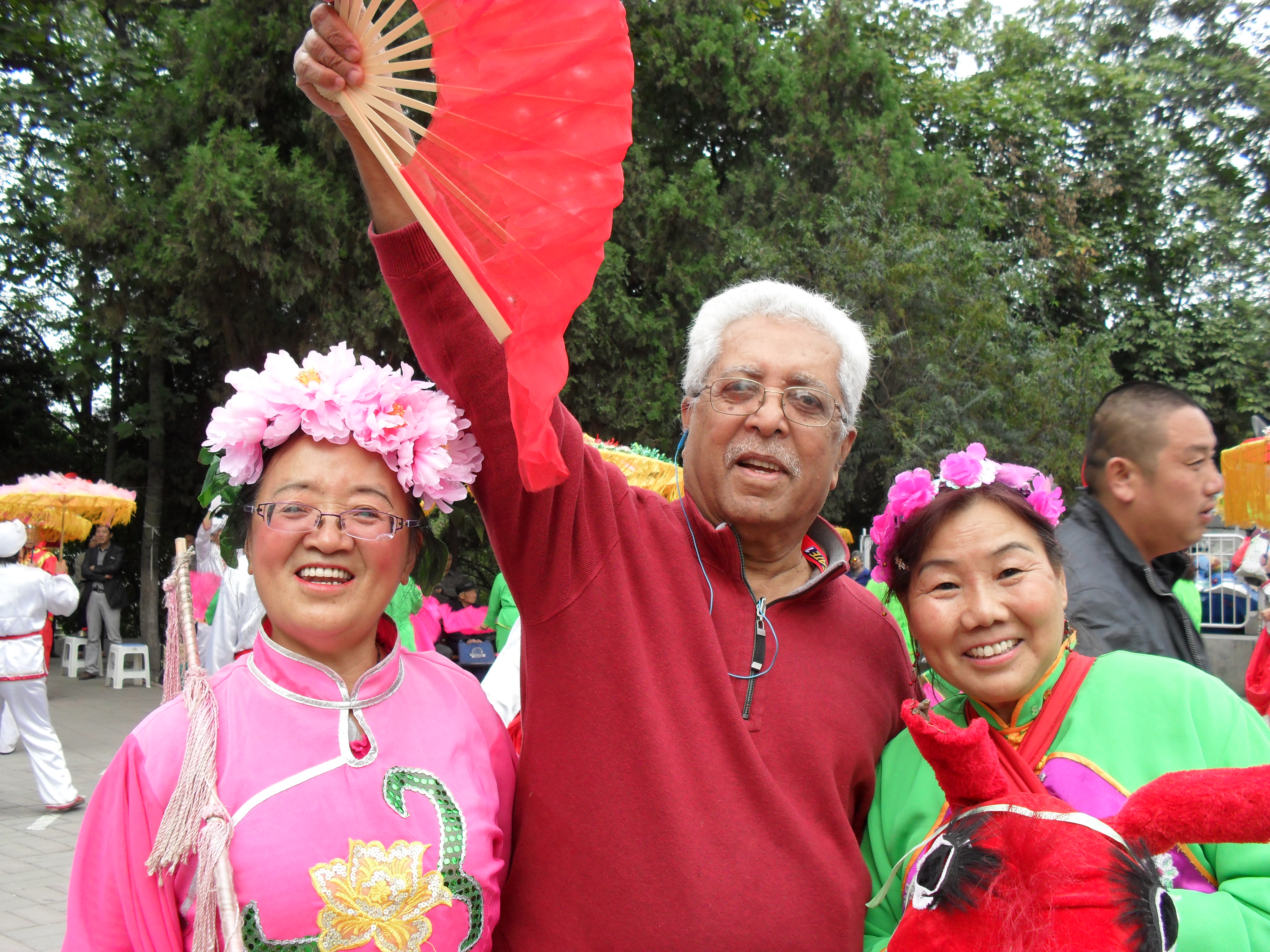
The next area we went to was fan dancing, where people were dressed in vibrant color costumes and carried brilliant colored flowers and fans while dancing. We not only witnessed, but also participated. The people were very friendly and made us part of their group by choosing partners from our tour group. We really enjoyed the dancing.

Then we moved to the area where one of the women led a large group in Thai chi exercises. This was a little difficult at first, but everyone was busy doing their own exercises and we watched and learned the moves.

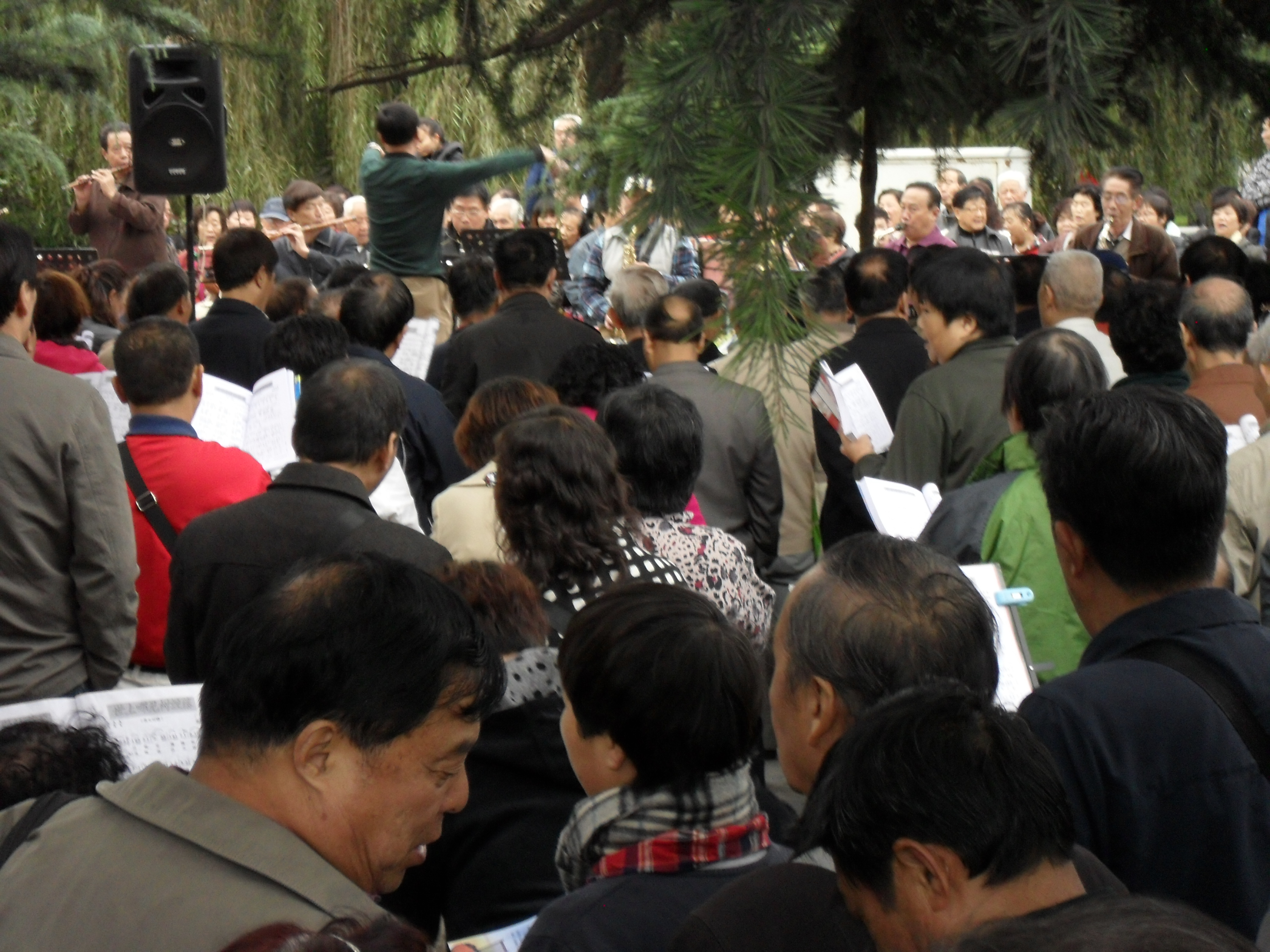
In another area there was an enthusiastic group of people led by an equally enthusiastic conductor in singing patriotic songs. We couldn’t understand the songs but knew that they were dedicated to Mao Zedong and other revered Chinese leaders, and you could feel the energy and enthusiasm of the crowd enjoying the music with a religious fervor. We enjoyed the performance thoroughly and we realized that this was a way of t establishing rich cultural connection with the community through music, dance, exercise and other artistic endeavors. There was definitely a palpable emphasis that that was best way to start a busy work day.

Patriotic songs in xingqing park,Xian

This idea of outdoor fitness and fun is great. Everyone exercising outside and having fun instead of being cooped up in a gym must have untold physical and mental health benefits. It was a great pleasure to be part of these activities and grateful that we were lucky to have this opportunity to have this experience.


Trip to Bejiing, China, October 2014

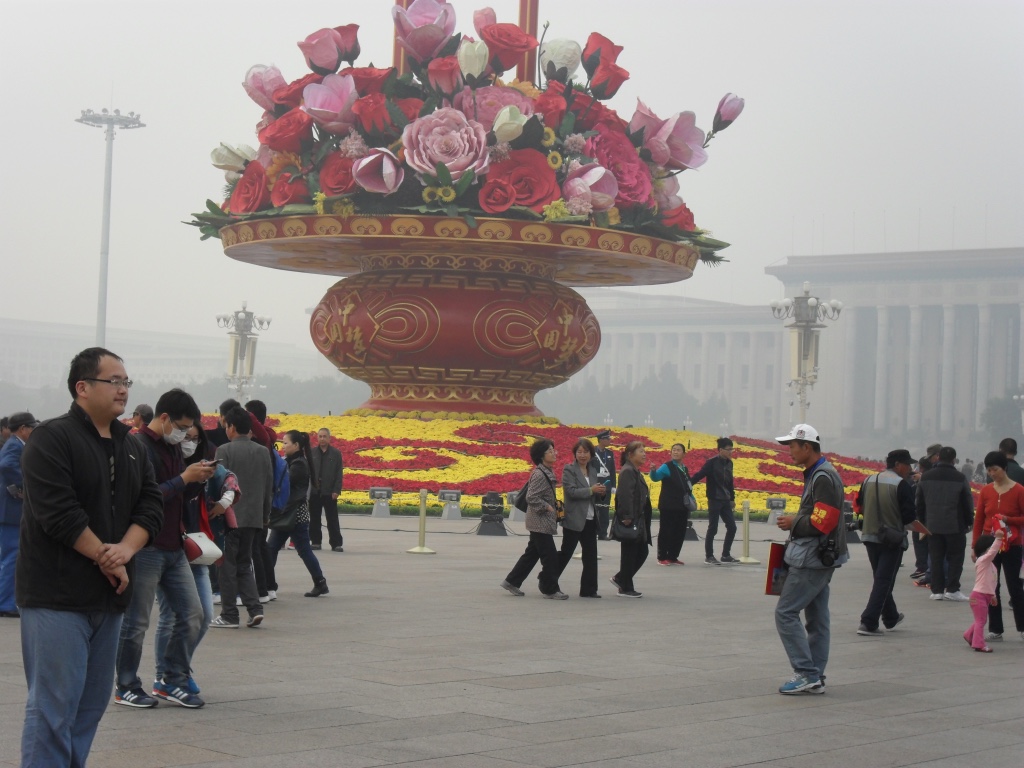
Tiananmen Square

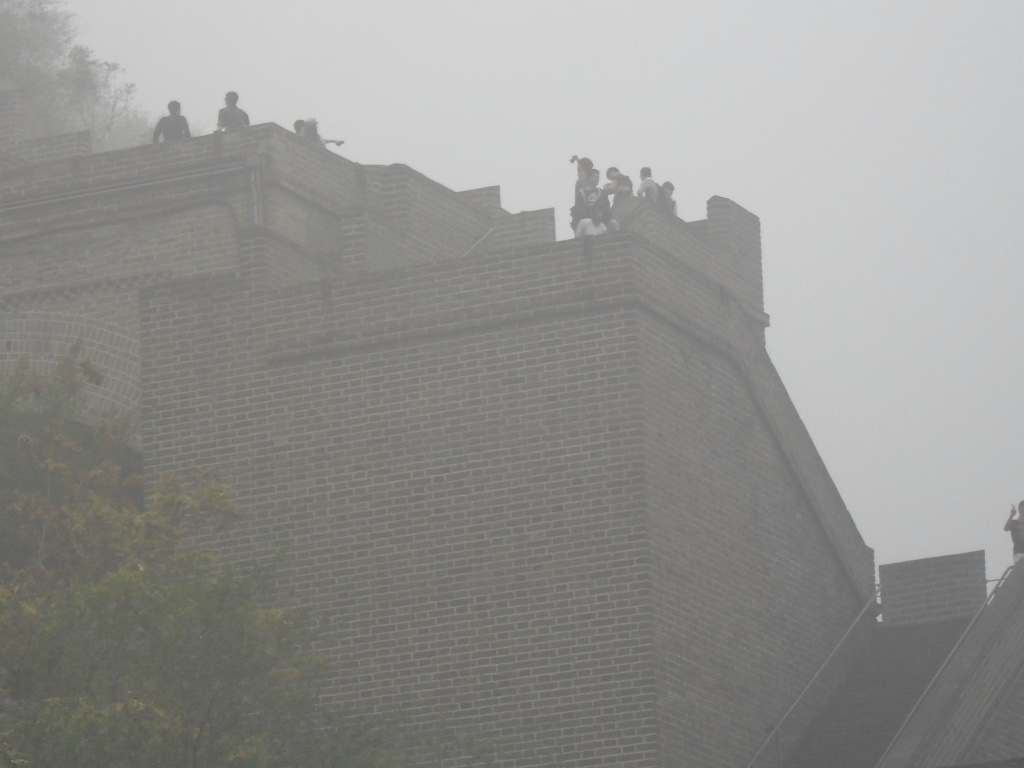
We arrived in Beijing, China on October 8th, 2014 and Great Wall of China was the first leg of our visit. But this magnificent beast, unfortunately, was enveloped in a very heavy Beijing smog. Visibility was disappointingly limited. we couldn’t take good pictures. Although built in 6th century, it is still a marvel for everyone to see. We were taken to the section of the wall which gets the most tourist. Although the tour guide warned everyone about the slippery conditions due to the rain, lot of people attempted to climb and walk as much as they possibly could as you can see.

Great wall of China

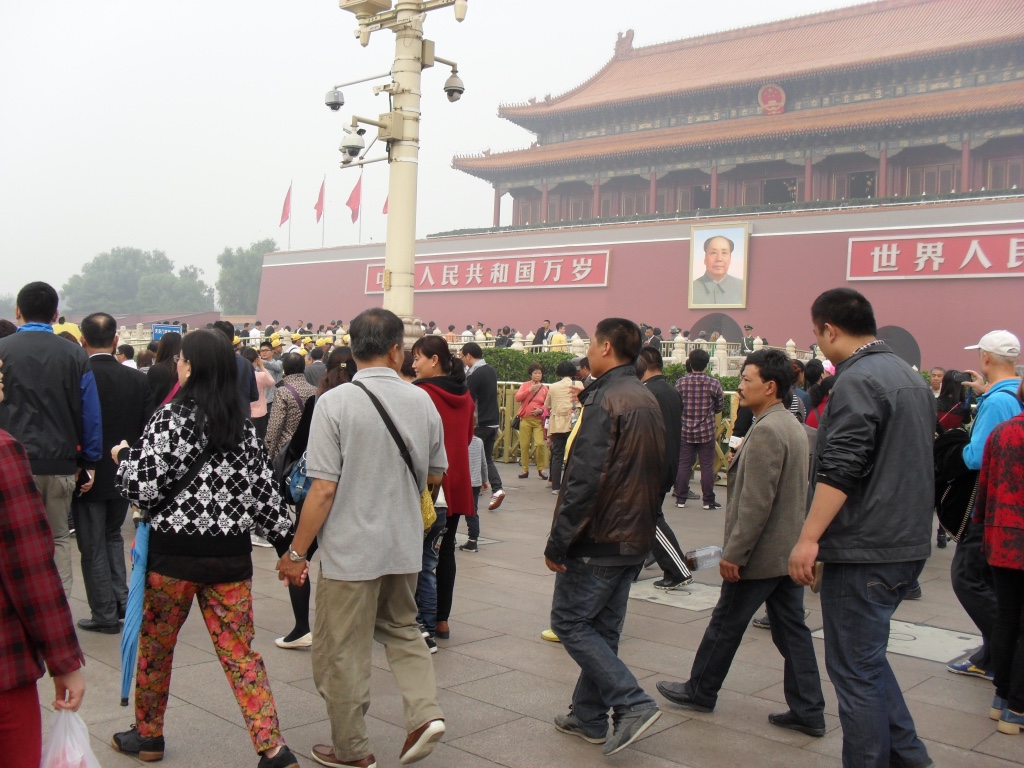
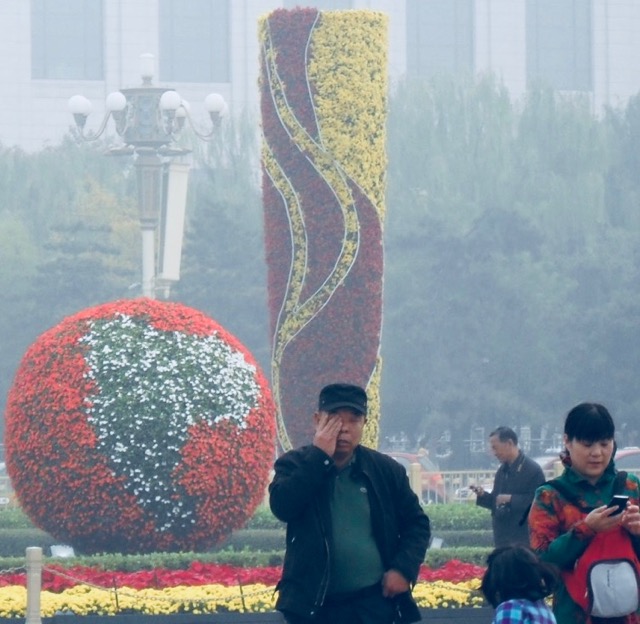
Our exploration of Beijing continued with a visit to Tiananmen Square. The square was fully decorated with all kinds of ornamental plants; everything around the square was embellished with beautiful, colored flowers for the Golden Week which had just ended the day before after a week celebration.

Tiananmen Square

Decorations for Golden week

Tiananmen Square is a large square in Beijing. It is the fourth largest square in the world. Although its name is historical, and has great cultural significance, it became best known after the Tiananmen Square protest of 1989. Since the protest was pro-democracy, it was put down by the government, and several hundred civilians were shot by the soldiers and martial law was declared

The square is used as a meeting place and important buildings, such as National Museum of China, the Great Hall of the People, and the Mausoleum of Mao Zedong, surround it and the Tiananmen Gate separates it from the Forbidden City.

Because Tiananmen (“Gate of Heavenly Peace”) is in front of the Imperial city, and north of the Tiananmen Square where historical events take place, it has a great political significance. After the founding of Peoples Republic of China in 1949, October 1st was declared a national day and a Portrait of Mao Zedong was hung at the square. Still each year the old portrait is replaced with a newer one. The portrait weighs 1.5 tonnes and is replaced by a spare one when it is vandalized.

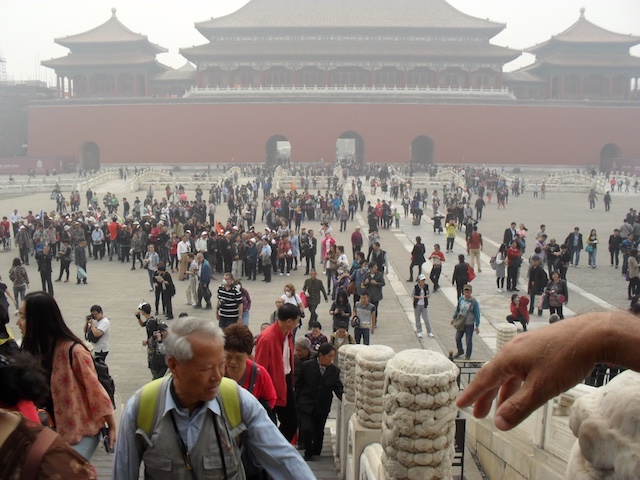
Imperial Palace also know as Forbidden city was the home to the Chinese Royalty for 600 years. When the Imperial palace was in use, people were not allowed to approach it, hence the name Forbidden City.