
Category: Travel Blog

Panama Canal Cruise

We cruised the Caribbean on the Royal Caribbean International Flagship, The Brilliance of the seas from April 8 – 20,2004. After flying from Boston to Miami, we got on board the ship in the afternoon of April 8. This was the second cruise that we have ever been on, and with very high expectation and excitement because of our great experience on board of Veendam, one of the cruise ships with Holland America, to Alaska.
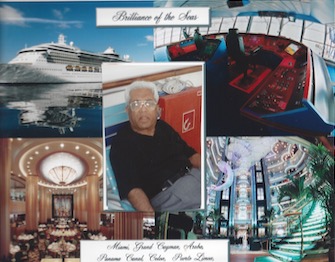
These ships are floating resorts offering great accommodation, restaurants, casinos, outdoor area with swimming pools, Jacuzzis, spas, night clubs and duty free shopping. To add to that there are food courts, lounges, cafes, and bars where food, drinks, and tea and coffee stations are open 24 hours.

The fun and Pampering starts as soon as you get on board. Luggage is brought to your state room in record time. State rooms are very spacious  with huge storage area and cupboard space. Decent size bathrooms are well equipped with the necessities, and are cleaned twice a day.

As soon as you get on board, and before you sail safety drill is carried out in a very orderly fashion. We sailed from Miami and cruised for two days and pristine, and most of all serene Caribbean lulled us,  at least me into safety and great meditative mood thanking God for every little favor he offers. There was a reception and a show to welcome the passengers aboard on the first night.

Our first stop where we anchored was  Grand Cayman Island which is one of the three Islands. Grand Cayman’s capital is George Town, . Its sister Islands are Cayman Brac, and Little Cayman which are separated from the Grand Cayman by 90 miles of sea and lie to the northeast of it. Grand Cayman itself is 500 miles directly south of Miami.
Cayman Island

Caymans have a very interesting history. Christopher Columbus touched two mounds of earth, Cayman Brac, and Little Cayman, when freak winds pushed his ship where he spotted multitudes of turtles and named the islands, as”las Tortugas”. But later they were renamed Cayman Islands after Caiman, the Taino word for alligators.

Variety of people such as, pirates, refugees, shipwrecked, and more landed and settled on the islands. There are several myths about the buried treasures from pirate activities. Also there are stories of wrecked ships around the reef. There has been conclusive evidence of a wreck of ten ships, which were part of a convoy sailing to US. and Britain that wrecked on the reef.

Tourism and banking became the mainstay of the economy making  Cayman Islands offshore banking center. Another most important  aspect of its fame is its coral grounds which are finest in the Caribbean making it the most prosperous and most expensive country for its size. When a cruise liner makes a short stop it is impossible for people to see how prosperous the country is. But for them reality check comes when they start shopping and find out the cost and also the exchange rate. The fact that it is a British colony reflects the exchange rate because the pound is more expensive than the US dollar. It is also evident that it is a crown colony with both police uniforms and red pillar boxes of telephone booths.

Our next port of call was Oranjestad, Aruba. Caribbean Islands at one time or another were colonized by the Europeans: England, Portugal, Holland, Spain, and France. There were wars over the possession of these Islands. Aruba is a prime example of mixed influences of several different colonizer and indigenous people. Aruba’s language is called Papiamento (an Afro-Portuguese Creole language) which developed, and has been in use since 16th century, as a unique combination of Portuguese, Spanish, Dutch, English, African, and Indian words. This language is spoken only on the Dutch “ABC” Islands: Aruba, Bonaire, and Curacao.

Alonzo de Ojeda claimed the island for Spanish crown in 1499 but did not colonize thinking it a “useless Island” which meant that they did not have a motive to kill off the local Indian tribe, Arawak. Today many of the Arubans are of Arawakan descent.

In 1634 Dutch took over Aruba. Gold was not discovered until 1824, and then was mined until 1913.  3 million tons were extracted before its depletion. At that point island’s economy appeared grim. Later Aloe plant became the major industry and Aruba was major producer of Aloe, making it a major industry. Now Aruba depends on tourism. Its bustling economy with modern, colorful shopping malls and jewelry stores are the attraction for those who come to enjoy the sun and aqua blue waters of Aruba beaches. Six months of the year tourist from all over the world come to the island. A large number come on cruise liner looking for fun in the sun. Tourist spend a lot, and Arubans do what they can to entertain them.
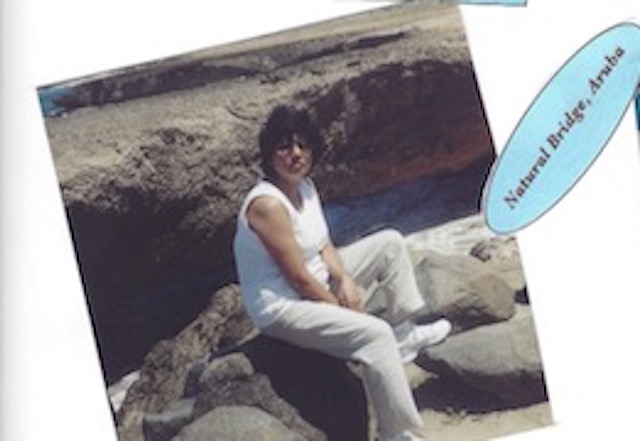
As people disembark d from the cruise liner, they are faced with placards of tour operations giving a wide variety of choices of sightseeing. it was a beautiful day in Aruba. Downtown Aruba was quite close to the port area.  We picked up one of a dozen tours offered to us by local tour organizers. After a little waiting and hassle we got a scenic drive  tour which took us to the Rock Garden, Natural Bridge, and Gold Mill Ruins. It was informative. On our way we saw a lot of huge Cactuses  which grow everywhere in Aruba. They even use cactuses to make fences around the houses to keep animals out.
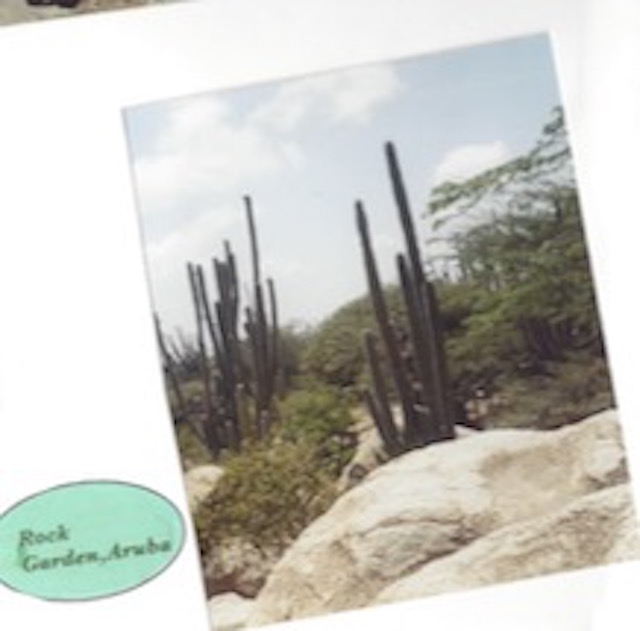
Cactuses

Our next port of call was Panama Canal. We had two days at sea. Now was the time for the sea to show its volatility and character as it became very rough due to high winds. Since Panama Canal was the  highlight  of the cruise, we looked forward to getting there. The ship’s  entertainment schedule was packed with activities keeping us busy. We arrived at Panama Canal at 6:45 am on Thursday, April 15th, 04. It was a very clear day and all the passengers gathered on the upper deck to watch the entrance to the locks. It was fascinating
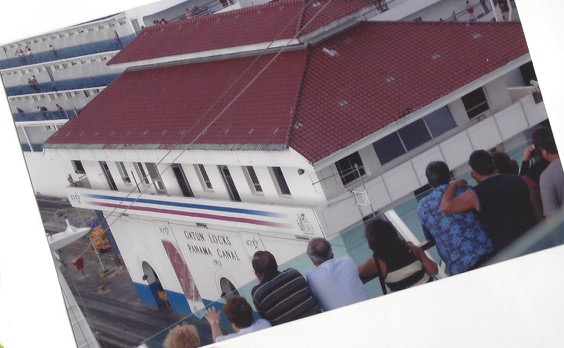
Gatun Lake, panama Canal

Panama canal was built to find a short cut between Atlantic and Pacific Oceans. It was built across the country which had to cross a very hilly part. The Gatun lake, a man-made lake, sits halfway between eastern and western parts to connect the lake to the two ocean on either side. Canal architecture involves locks. To get to Gatun lake from the Atlantic Ocean three locks have to be crossed. The length of Panama canal is 51 miles. We entered the canal from the Atlantic side into Gatun Lake. A series of three locks raise the ship 26 meters to the lake. Since the lake itself sits at the highest point, ships have to be lowered in order to get to Pacific Ocean through the two locks on the other side. . Our cruise ship entered the Gatun Lake and, after a short stop, turned around to go back to the Atlantic Ocean for our returned journey to Costa Rica and back to Miami.
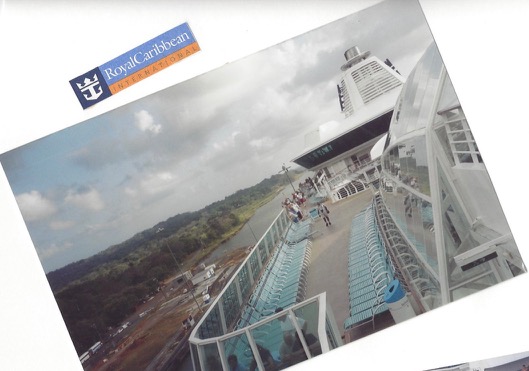
We were back on the ship and sailed at 8pm and were headed to our next port of call which was  Puerto Limón, Costa Rica. After all nights cruising we arrived at the port excited to get to our scheduled Braulio Carillo National Park tour. When we disembarked, we realized that  it was not just overcast but also rainy and cold. We had to return to the ship to get our warm clothes.

Buses were ready to take  us to the area from where we were to be taken to the Aerial Tramway to go up to the canopy and be at eye level to the top of the trees.  We were given a nice buffet lunch which was included in the price of $126/- and was a surprise. But the other surprise was that the drizzle turned to torrent which meant we had to buy rain capes if we wanted to go for our Rain Forest Canopy Aerial Tramway tour. While the tourist had to fork out extra amount for protection from rain, their gift shop did a brisk business by selling capes to 90% of the people taking the tour.

After lunch, anxious and excited we all lined up to go on the tour. They started loading the trams with a condition that only five passenger and a guide can go up in each one of them. It meant that some people had to break away from their family members or friends, for instance, in one of the trams a couple was told to sit separately to balance the weight because they were both on the heavy side. But,  as usual, some people came forward to solve the problem and all went  smoothly.
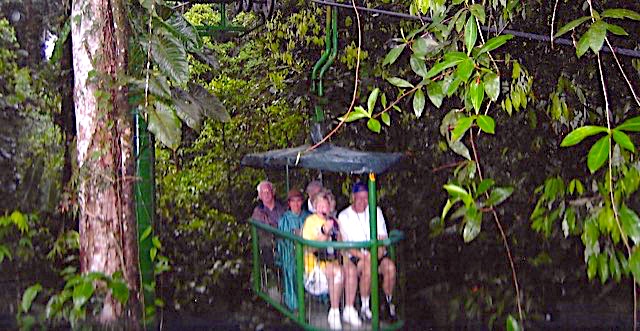
Aerial Tram Rainforest Tour, Puerto Límon

We went up  gliding over the treetops in  Aerial Tramway which provides bird’s eye view of the lush tropical Braulio Carillo National park but there was not even a bird to be seen. Although it was a bleak rainy day with very limited visibility, we  saw occasional orchids, and there were some red flower like leaves which the  guide called “hot lips” ( Apparently, these red leaves looked like flowers before their full growth- an intriguing highlight ).
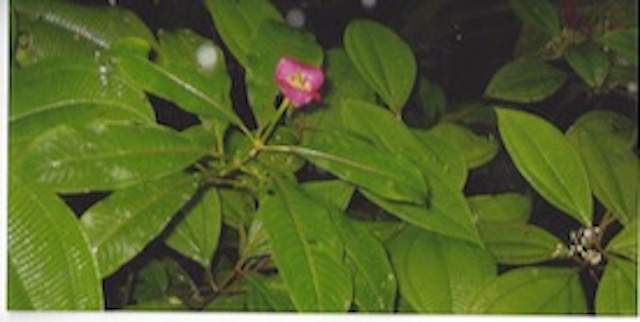
Coming back down there were some birds, and the guide pointed out a sloth that looked like a big bird’s nest. Despite the bad weather it was exciting to see something which was once in a life time chance. the whole national park tour took 8 hours. After a long day we were back on the ship and ready to sail back to Miami as the cruise summary map shows.
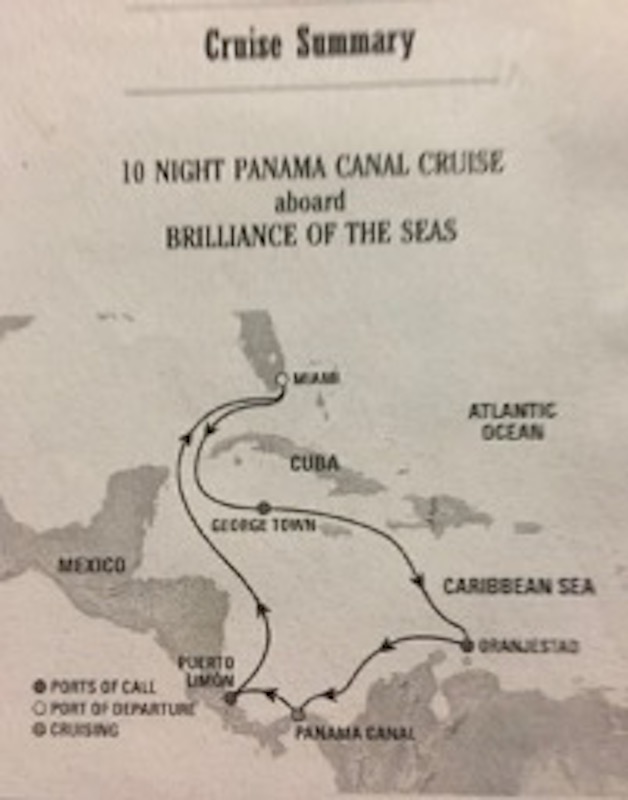
Cruise Summary
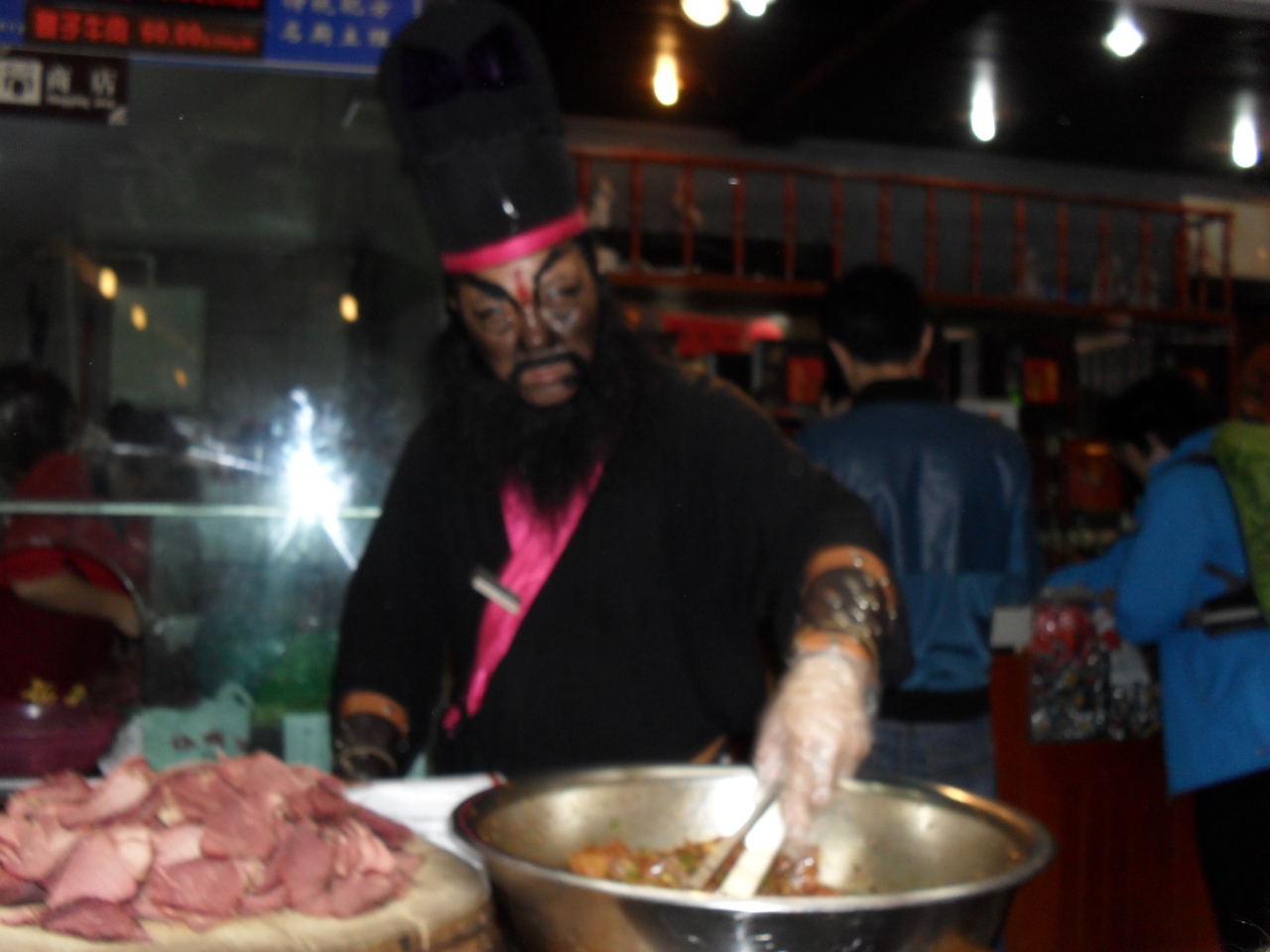
Jinli Pedestrian Street, Chengdu, China

Jinli pedestrian Street, Changdu, Sichuan,ChinaTrip

Bowl of beef tendons

We went to Bejing first, and then to Xian. Our third stop was Changdu where our itinerary included a trip to the Panda Sanctuary, and Emi mountain. This involved an overnight stay in the area, which really meant two days and one night. These visits to the Panda Sanctuary as well as to the Emi mountain, we were informed, involved a lot of walking with 1000 steps of hiking up and down to the mountain. We were tired and thought that it would be a difficult undertaking. And after real soul searching and assessing the situation we decided to ask our tour guide to arrange for us to stay behind in Changdu. Magie, our tour guide said that it was against the policy of the tour company that they leave behind some members of the group, but said she would  try  to explain to them the circumstances. She obviously didn’t have any difficulty in negotiating our stay in Changdu with her tour company. While rest of the group continued on with the scheduled trip,  we stayed on in Chungdu.
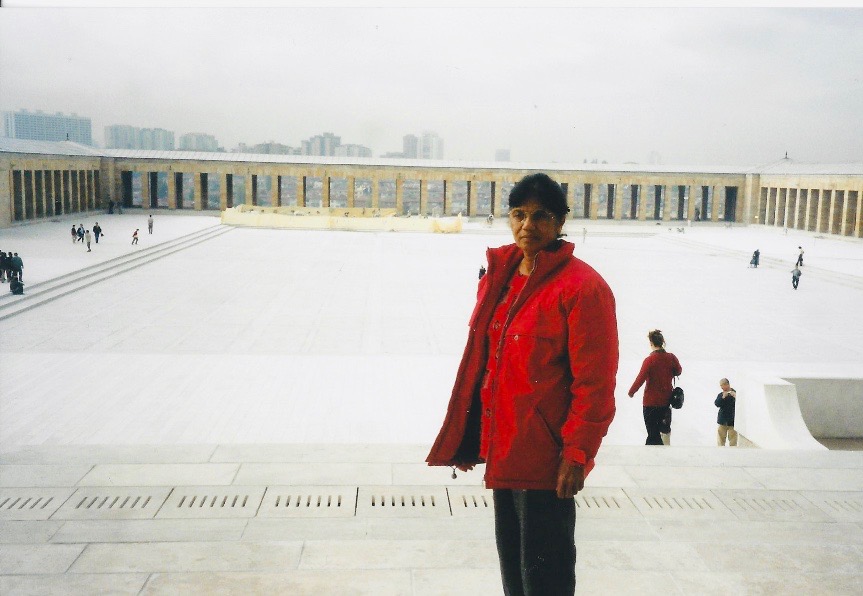
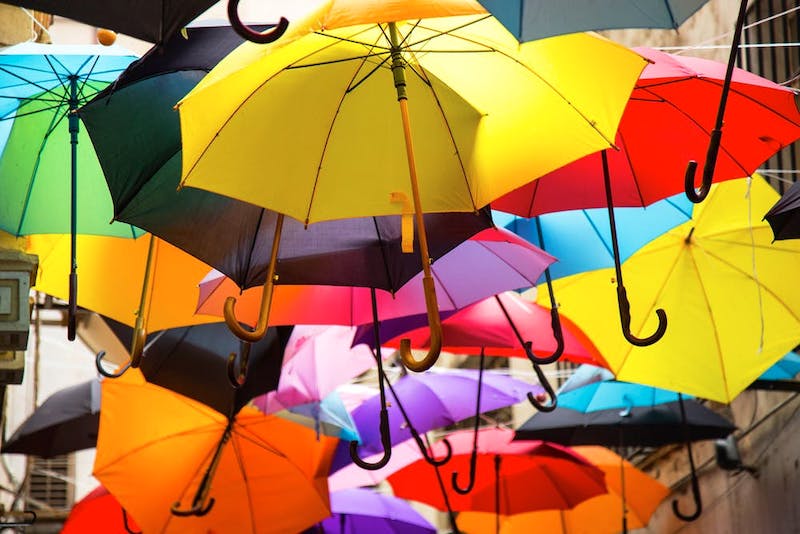
Around 11:am we left the hotel by taxi to go Jinli Street, which was part of the itinerary if we were to be part of the group on the way back from the Emi Mountain. Jilni is an ancient, pedestrian street  which is a  highly recommended tourist area. Even though it was a rainy morning, the street was very crowded.  When we entered the street, the first place we spotted was Starbuck. We had our second breakfast with a large cup of coffee and really enjoyed it. It was raining fairly hard, so we stayed inside and watched people walking with umbrellas. It was very interesting to see almost everyone had a colorful umbrella, and it seemed like an organized umbrella parade. We could see umbrellas from the window where we were sitting in Starbuck.With all the colorful umbrella it was a sight to behold. Stunning colors were similar to the one in this image.

Colorful Umbrellas, stock photo

We decided to go out when we saw that all the umbrellas had disappeared.

The stalls along both sides of the streets carried souvenirs, arts and craft, and most of all a great variety of local cuisine. Chinese have mastered the art of cooking and eating. The choice of food was incredible. In one place there was a huge bowl of ox tendon. You could buy a portion in a leak proof bag as a single serving. It was delicious and very reasonable. There was a large mouthwatering variety of snacks available but making a choice and finding out about the dishes without speaking Chinese was a herculean task. At one of the stalls we were standing looking and deliberating what to get, when a nice young Chinese lady who spoke perfect English approached us and asked if she could help. With her help we ended up buying sticky rice buns; spicy delicious beef wrapped in banana leaves, and crispy beef rolls packed in plastic bags. Each plastic bag contained 3 rolls. Everything was delicious and rolls were crispy, light and tasty.

The interesting part of the street was how people were strolling in a leisurely, relaxed and peaceful fashion down the narrow street eating, shopping and having a good time with their families. We spend four hours of most pleasurable time on Jinli Street.

When we came out to go back to our hotel it was hard to find a taxi because of the  language barrier. There were some young kids standing there, and they came over and wanted to know  if they can help. Although they did not speak English, they managed to understand that we wanted to get a taxi. With full enthusiasm they offered to help and got us a taxi and explained to the driver where we wanted to go by showing him the hotel card we gave them. They were a great help and were very polite and caring.

We came to the hotel and relaxed for the afternoon. Then we decided to go out shopping, after which we had our dinner in a fast food restaurant. We were back in our hotel room by 9:30, and ready for an early night.

We had one more day before our group came back. We explored the city. Shopping in the nearby mall was relaxing and  interesting because we found stores which carried a lot of American brand names. We bought some sweaters and jackets at very reasonable prices. we also had our lunch at the mall. It was easy to pick up what we wanted to eat. There were lot of dishes with which we are very familiar, and are in our normal culinary repertoire at home.

Walking back to the hotel, we found a fast food restaurant a few doors away from the hotel. The food was served in bowls. We got KungPao chicken and rice which was delicious.


Trip to Xian China, October,2014

Being pulled into the dancing group

Trip to the Xingqing Park in Xian

After 4 days in Beijing, we flew into Xian. Next day after breakfast we had the opportunity to visit Xingqing park. It is a large park, filled with people ,  and was a hub of activity that morning. Obviously every morning the park becomes an enormous gym for everyone who wants to exercise. To say just exercise would be an understatement. It is more than that, it is  an opportunity to be outdoors and socialize with people. There were areas dedicated to dancing, singing, and playing games. It is a unique concept where everyone not only gets a chance to exercise outdoors in invigorating fresh air, but also to participate in different games and activities. There are a lot of open areas for different activities. For instance, there is an area designated for men, and women of all ages where they play a game called “killing the bird”. This is played with a soft toy bird, which they hit with whichever part of the body they can use, and the aim is to keep the bird in the air without letting it drop to the ground.  We saw it  played with great perfection and it was very interesting to watch.

Fan Dancing in Xingqing park, xian

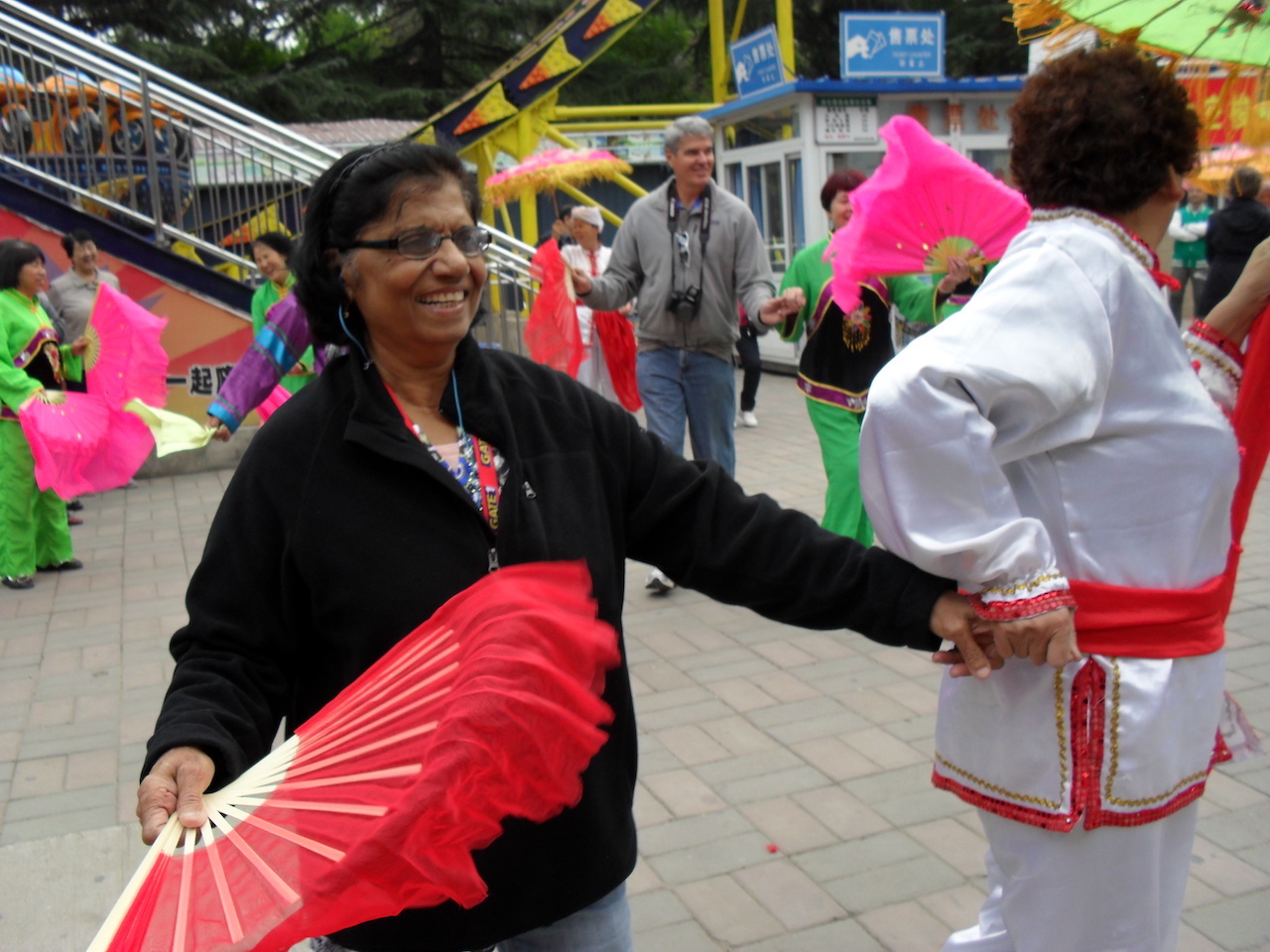
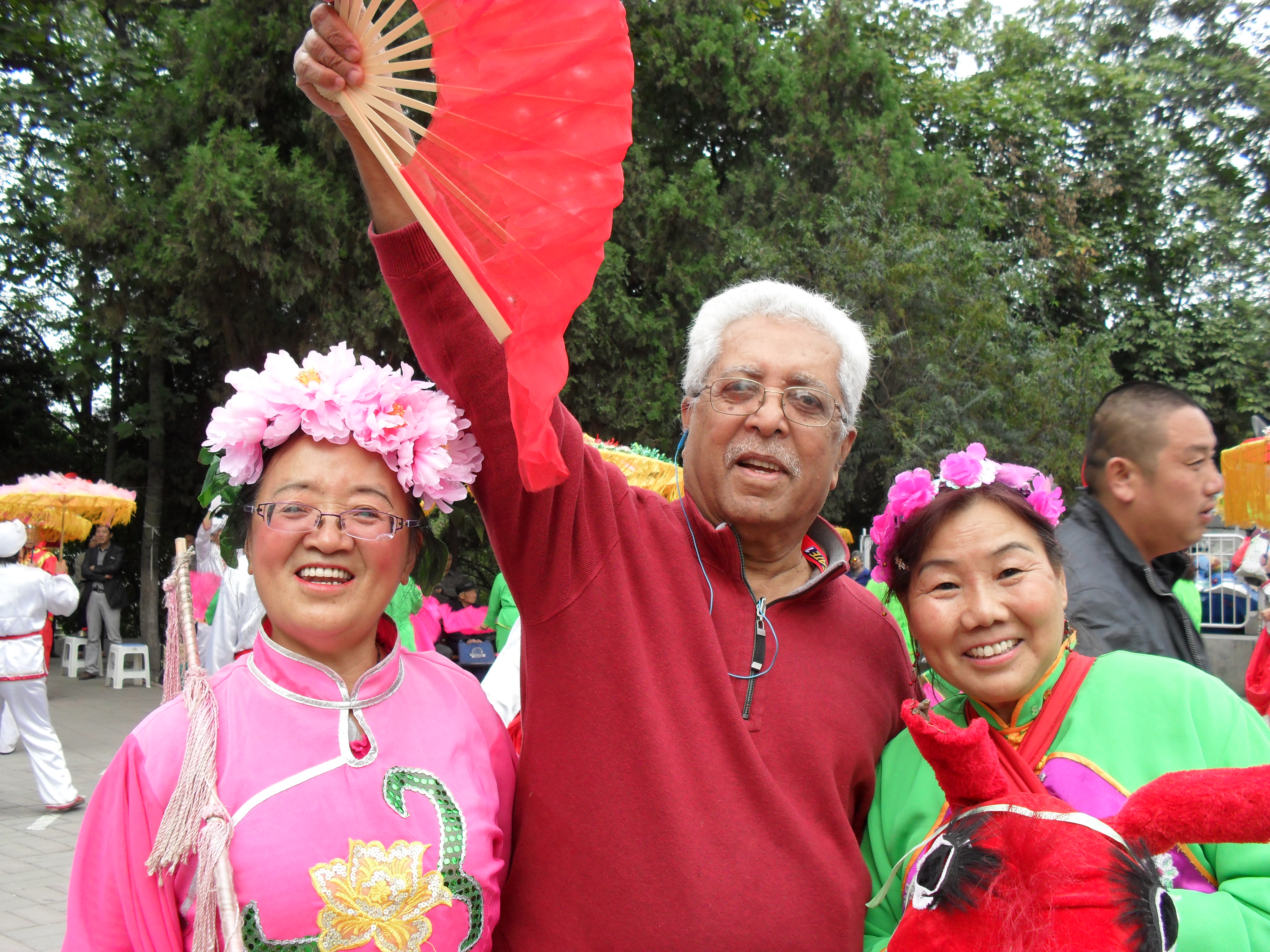
The next area we went to was fan dancing, where people were dressed in vibrant color costumes and carried brilliant colored flowers and fans while dancing. We not only witnessed, but also participated. The people were very friendly and made us part of their group by choosing partners from our tour group. We really enjoyed the dancing.

Then we moved to the area where one of the women led a large group in Thai chi exercises. This was a little difficult at first, but everyone was busy doing their own exercises and we watched and learned the moves.

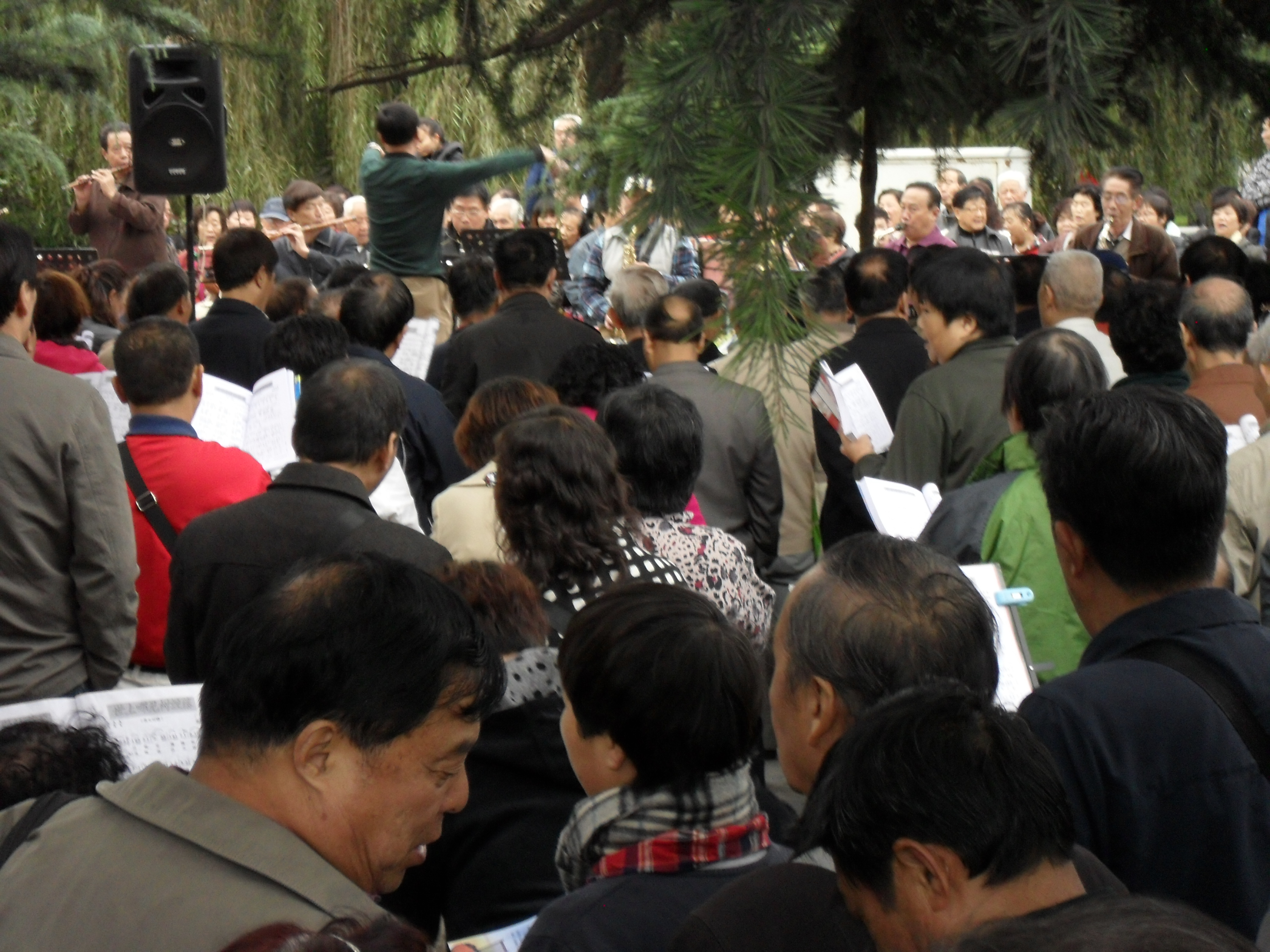
In another area there was an enthusiastic group of people led by an equally enthusiastic conductor in singing patriotic songs. We couldn’t understand the songs but knew that they were dedicated to Mao Zedong and other revered Chinese leaders, and you could feel the energy and enthusiasm of the crowd enjoying the music with a religious fervor. We enjoyed the performance thoroughly and we realized that this was a way of t establishing rich cultural connection with the community through music, dance, exercise and other artistic endeavors. There was definitely a palpable emphasis that that was best way to start a busy work day.

Patriotic songs in xingqing park,Xian

This idea of outdoor fitness and fun is great. Everyone exercising outside and having fun instead of being cooped up in a gym must have untold physical and mental health benefits. It was a great pleasure to be part of these activities and grateful that we were lucky to have this opportunity to have this experience.


Trip to Bejiing, China, October 2014

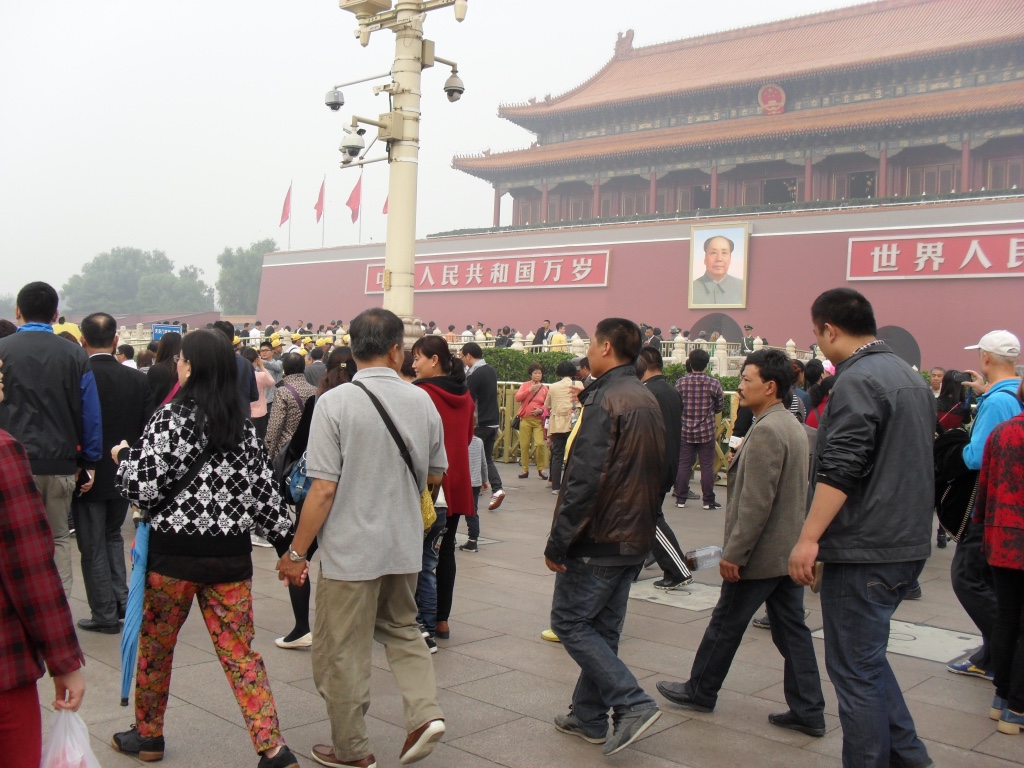
Tiananmen Square

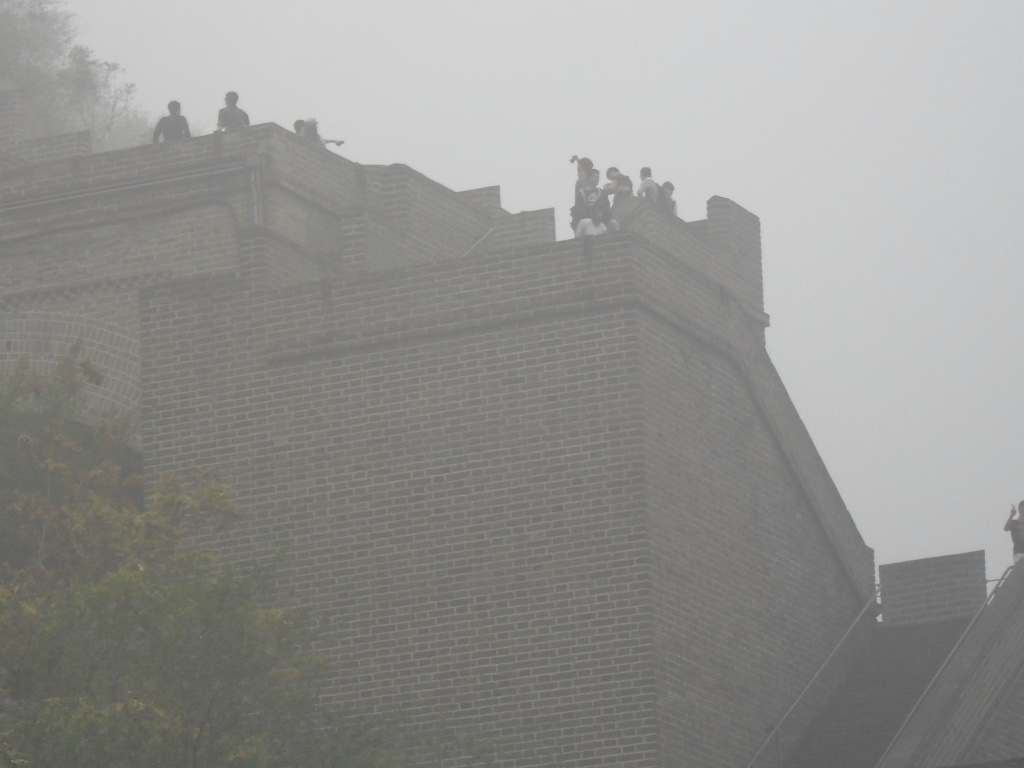
We arrived in Beijing, China on October 8th, 2014 and Great Wall of China was the first leg of our visit. But this magnificent beast, unfortunately, was enveloped in a very heavy Beijing smog. Visibility was disappointingly limited. we couldn’t take good pictures. Although built in 6th century, it is still a marvel for everyone to see. We were taken to the section of the wall which gets the most tourist. Although the tour guide warned everyone about the slippery conditions due to the rain, lot of people attempted to climb and walk as much as they possibly could as you can see.

Great wall of China

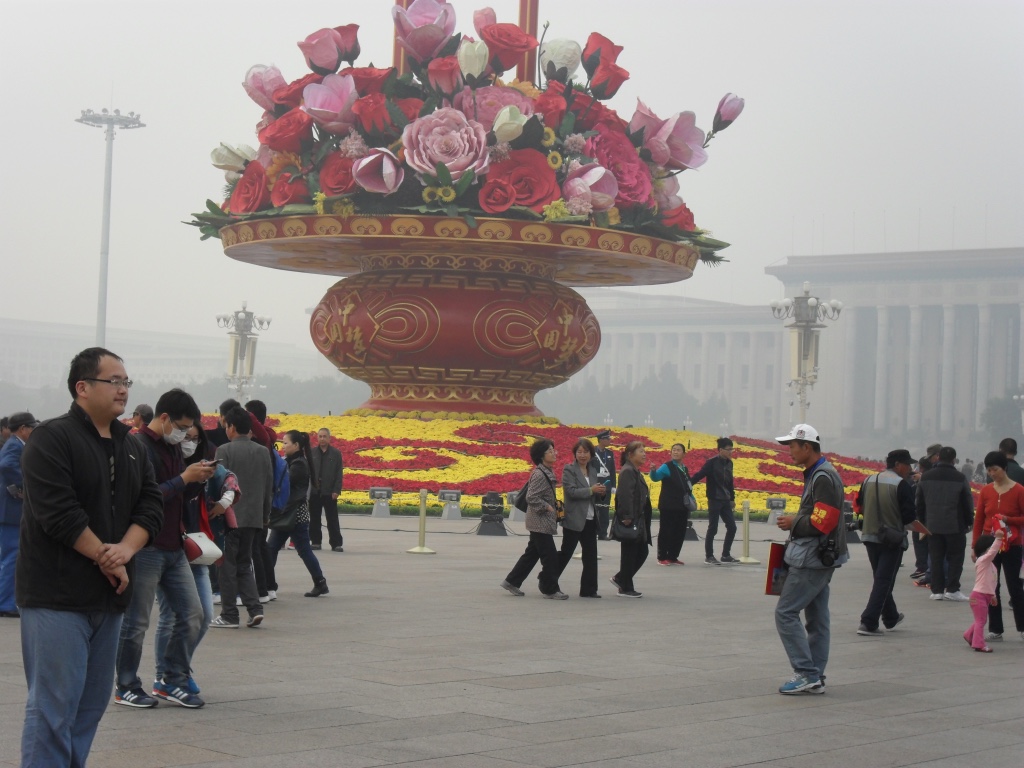
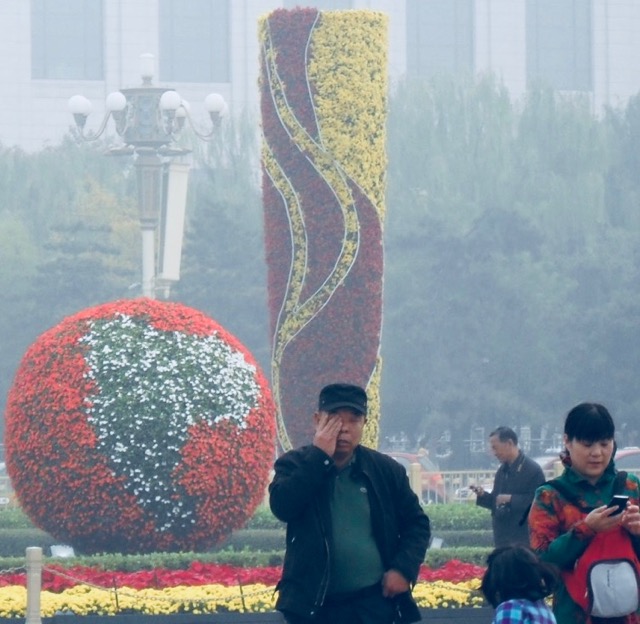
Our exploration of Beijing continued with a visit to Tiananmen Square. The square was fully decorated with all kinds of ornamental plants; everything around the square was embellished with beautiful, colored flowers for the Golden Week which had just ended the day before after a week celebration.

Tiananmen Square

Decorations for Golden week

Tiananmen Square is a large square in Beijing. It is the fourth largest square in the world. Although its name is historical, and has great cultural significance, it became best known after the Tiananmen Square protest of 1989. Since the protest was pro-democracy, it was put down by the government, and several hundred civilians were shot by the soldiers and martial law was declared

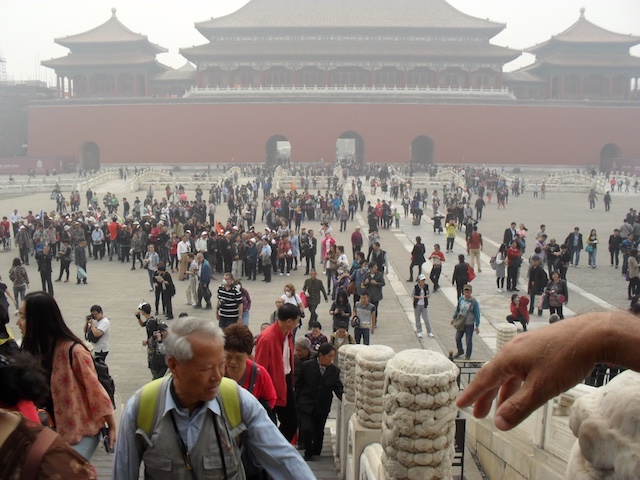
The square is used as a meeting place and important buildings, such as National Museum of China, the Great Hall of the People, and the Mausoleum of Mao Zedong, surround it and the Tiananmen Gate separates it from the Forbidden City.

Because Tiananmen (“Gate of Heavenly Peace”) is in front of the Imperial city, and north of the Tiananmen Square where historical events take place, it has a great political significance. After the founding of Peoples Republic of China in 1949, October 1st was declared a national day and a Portrait of Mao Zedong was hung at the square. Still each year the old portrait is replaced with a newer one. The portrait weighs 1.5 tonnes and is replaced by a spare one when it is vandalized.

Imperial Palace also know as Forbidden city was the home to the Chinese Royalty for 600 years. When the Imperial palace was in use, people were not allowed to approach it, hence the name Forbidden City.

Trip to Delphi, Greece

Trip to Delphi, Greece

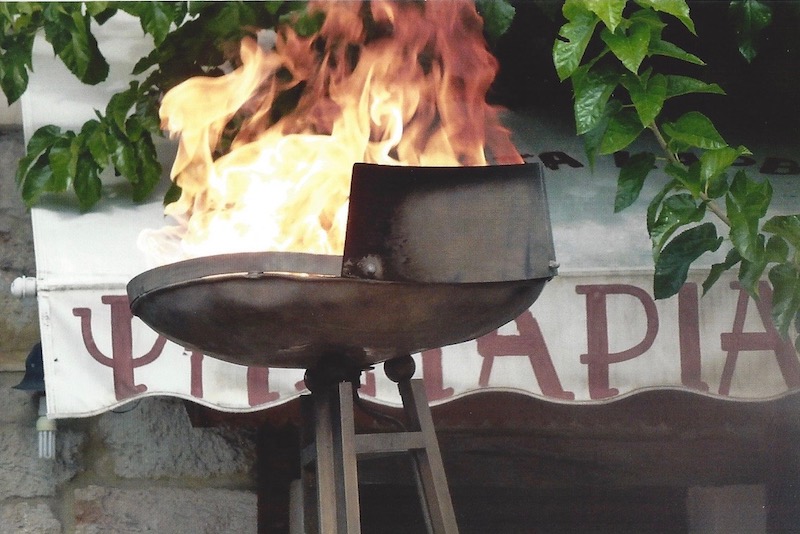
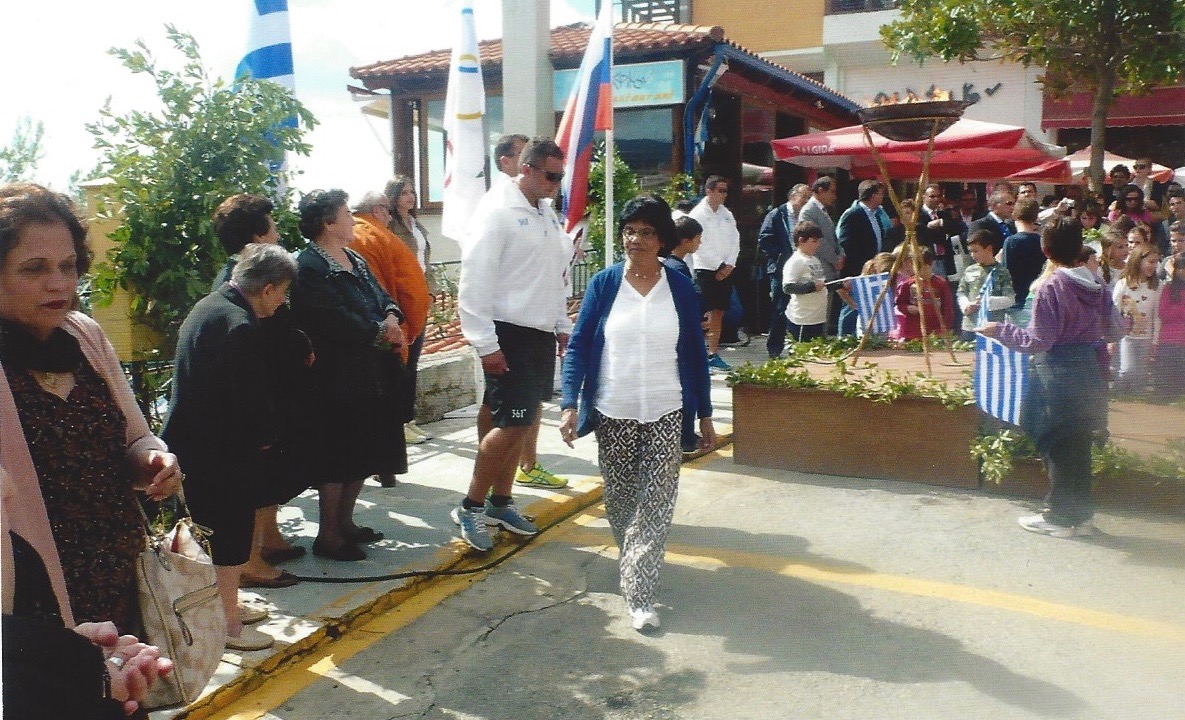
The Olympic torch is lit in Olympia, Greece several months before the winter Olympics. The winter Olympics which were to be played in February, 2014 in Sochi, Russia, the torch was lit in Olympia on October 7th, 2013.  It was headed to Delphi where the  flame burns here only if it is for a few hours while it stopped there before it arrived in Athens.  Delphi is an archaeological as well as modern town in Greece. It is considered to be the center of the world.

The Olympic Flame

Unbeknownst about the olympics, we drove to Delphi on October, 8th. the uphill drive to Delphi took almost three hours from Athens through the beautiful countryside. The site itself was truly amazing. Apparently, there is a theatre and a stadium, but we did not get to walk up. We stopped with friends who were traveling with us at a café for coffee   and some refreshments and saw nature’s amazing spectacle from the window where we sat. Had coffee and relaxed.

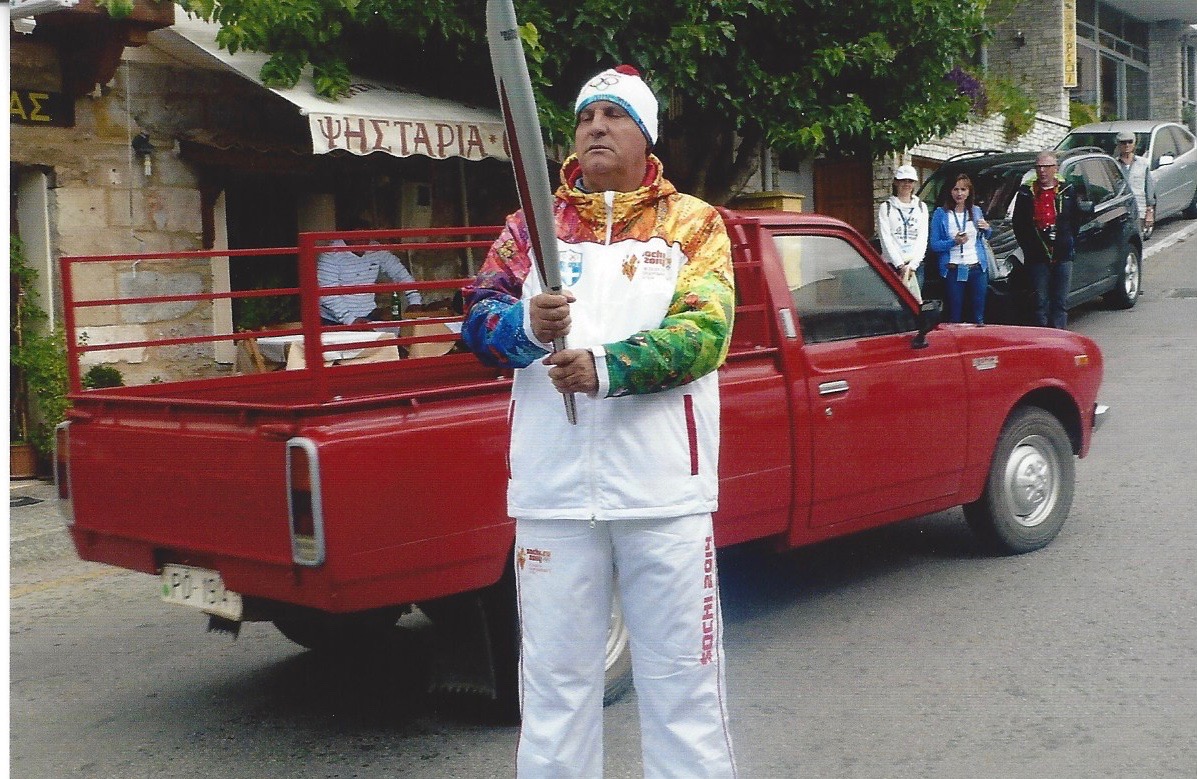
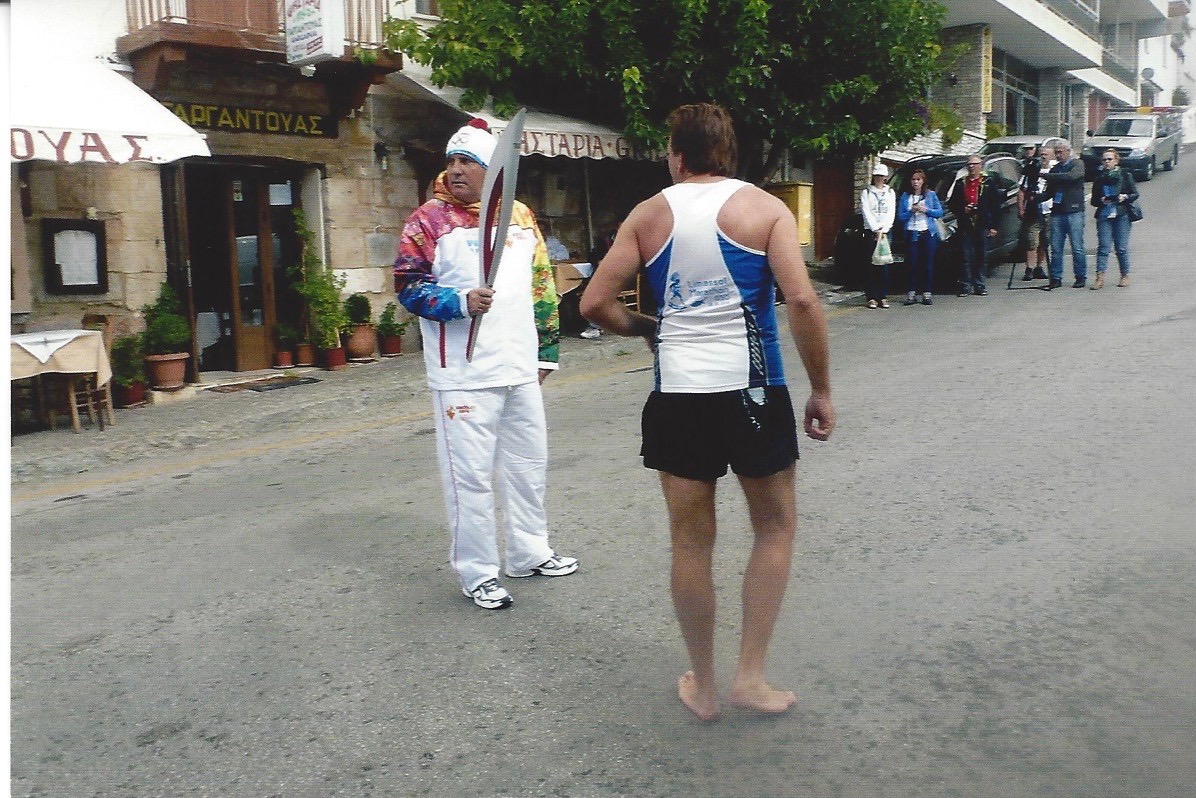
When we were ready to leave, we were told that the Olympic Torch relay was passing right by where we were. We were excited and were ready to stay as long as we had to. But it was not long before we saw the relay passing right outside where the mayor of Delphi was waiting to receive the torch to do his run until he handed it over to the next torch bearers. We were ecstatic at once in a life time chance to be part of the unique and  historic occasion, and to record it personally.

Mayor of Delphi waiting to

It was an amazing piece of luck to actually be there where the torch relay began.  Since we were driving back to Athens where we were staying, we had the good luck to be able to see it a few more time when it was changing hands on its way to Athens.

The Olympic Games torch relay tradition began with the Olympic flame being lit by the sun’s rays at the ancient site of Olympia, after which the torch was passed from runner to runner until it reached the Olympic stadium in the host city.

Until 2009 the torch traveled through 5 continents until it reached the stadium where the game was going to be played. But rules were changed since then, and in 2013, after traveling through Greece, it went to Russia where it passed throughout Russia before it came to Sochi, host city for the games in February for the winter Olympics.

Mayor handing it over to another torch bearer

Next stop where the torch was to be handed over to next torch bearers.

Bosphorus Cruise, October 22nd

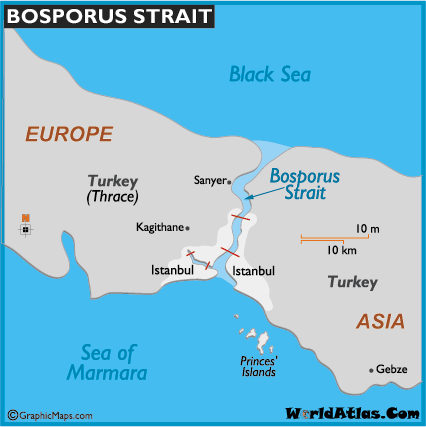
Second day of our stay in Istanbul we took an iconic cruise up the Bosphorus Straits for a fun sightseeing trip. Its 19 miles connect Sea of Marmara to Black Sea and, in turn, connects to the Mediterranean. The most fascinating part was that it has one shore in Asia and the other in Europe dividing Asia from Europe- an ultimate access point to the world.  Both sides have a lot to offer to the sightseers in the form of restaurants, beautiful mosques, and several palaces making the cruise a must-do activity for the tourist to Istanbul. Our cruise included visits to Rumelihisari, Dolmabache Palace, and Camlica Hill.

When the cruise started, first thing we saw was that the Bosphorus was filled with Jelly fish. And as we sailed along, both European and Asian shores were visible all the time. You could clearly view the luxury houses, palaces, and lot of buildings from the boat. The guide mentioned that most boys’ schools were converted to co-ed, and government buildings of the old time (when Istanbul was the capital) were converted to universities, restaurants or museums. One of the stop was Rumelihisari on the European side which was built in 1452.  It was commissioned for the planned Ottoman siege of Constantinople. Once the Ottomans achieved their goal, they made the city into their capital and renamed it Istanbul in 1453.

RumeliHisari, Istanbul, Turkey

One next stop was Dolmabache Palace. The Ottoman Sultan, Abdulmecid envisioned this luxurious accommodation for his family. The architect, Evanis Kalfa, designed and constructed this 45,000 sqm palace on the Bosphorous. The new palace was named Dolmabache; In Turkish dolma meaning ‘filled’, and bache meaning ‘garden’ These beautifully laid out gardens provided tranquility and pampered lifestyle for the Sulatan’s family. Splendor and Opulence of the palace was in keeping with the Ottoman tradition and style.

Dolmabache Palace seen from the Boat

We were not allowed to take photos. We went around and saw this lavish, ornate palace with its great halls and many of the important rooms.

1. There were immense and exquisite chandeliers on pedestals in the reception room. 

3.  Bear skin rugs adorned each side of Grand Reception Room, with 4.5-ton chandelier, was gifted by Queen Victoria, hung in the center of the ceiling in pastel blues and beige of the Grand Hall.

2.  Organ gifted by Kaiser of Germany.

4.  Reception and feast room for men.

5.  Reception and feast room for the ladies. Since men and women were separated, women could watch from a grilled window.

6. Grand entrance gates with huge carved white doors.

7. A guard at the entrance stood like a robot without moving a muscle. 

8.  We were surprise to see that the Sultan’s bedroom was not at all impressive, and then we found out that this was sultan’s bedroom when he was in house arrest. His real bedroom was closed off.

During the Ottoman Empire the palace was the central administrative HQ, and the residence for Sultans family. But with the rise of Turkish Republic in 1923, Mustafa Kamal Ataturk, father of the republic, used it as a summer palace until he died on November 10, 1938. A fact that sticks in my memory is the clock in Atatürk’s room showing the time 9.05 am-the time he died.

Our next stop was Camlica Hill. We had to cross the Bosphorus bridge by bus to get to the Asia minor side. The view point was called Camlica hill. We were really lucky to be there on a beautiful, bright and sunny day giving us a luxurious, and clear view of the European skyline as well as the the shore all along. we got to the highest point in Istanbul from where we admired the surrounding beautiful gardens, and landscapes designed in traditional style. We could see the southern shore of Bosphorus lined with wooden villas, palaces of marble finish, fortresses, and small fishing villages. it was a great sightseeing trip, which becomes more special each time it is remembered.

Bosphorus Bridge from Camlica Hill

Previous Post Next Post

Istanbul, October 23rd

Our First two days were great in Istanbul, Turkey. Walking tour and Bosphorus Cruise gave the start to explore and to establish connections with my dream city. On the 3rd day our plan was to stay around the area and take it easy and enjoy the goings on in the downtown and surrounding area. Lo and behold, while having breakfast, we noticed that the road was bustling with activity. There was, apparently, a Farmer’s Market every Wednesday in Sultanahmet, the area where our hotel happened to be. We were excited that it did not conflict with what we had planned, and relieved that we wouldn’t miss the fun and exploration of the local color and insights into social traditions and food culture in Turkey. The focal point of most people is food, but Turkish are famous for their delicious food and their unparalleled hospitality. They like nothing better than sitting down to a delicious meal with family and friends, acquaintances, and even people they just met are also welcomed to share their meal with genuine affection.

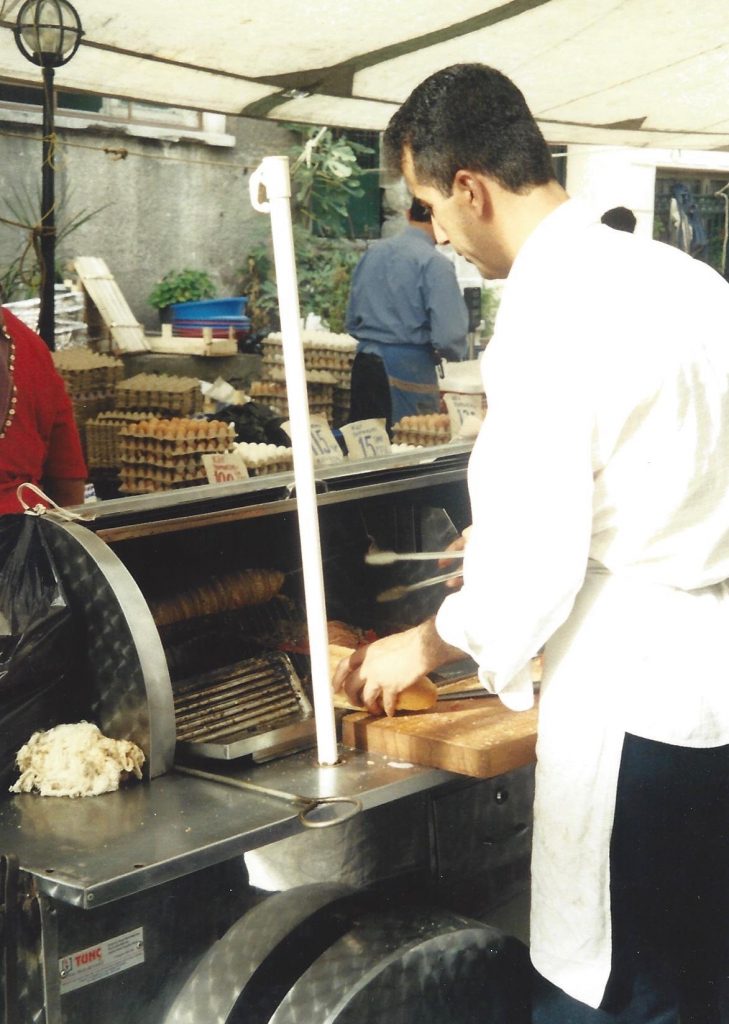
While having our breakfast, we could already plan our lunch as we saw a vendor setting up his stand for delicious street food, and we knew the kebabs with all its trimmings will surely be in the offing. Although food is the main lure for the people in any festival or farmer’s market, but ingredients and fresh vegetable for making food, as well as variety of Merchandise draw people to the event in large numbers.

Vendor-Wednesday’s-Farmer’s Market

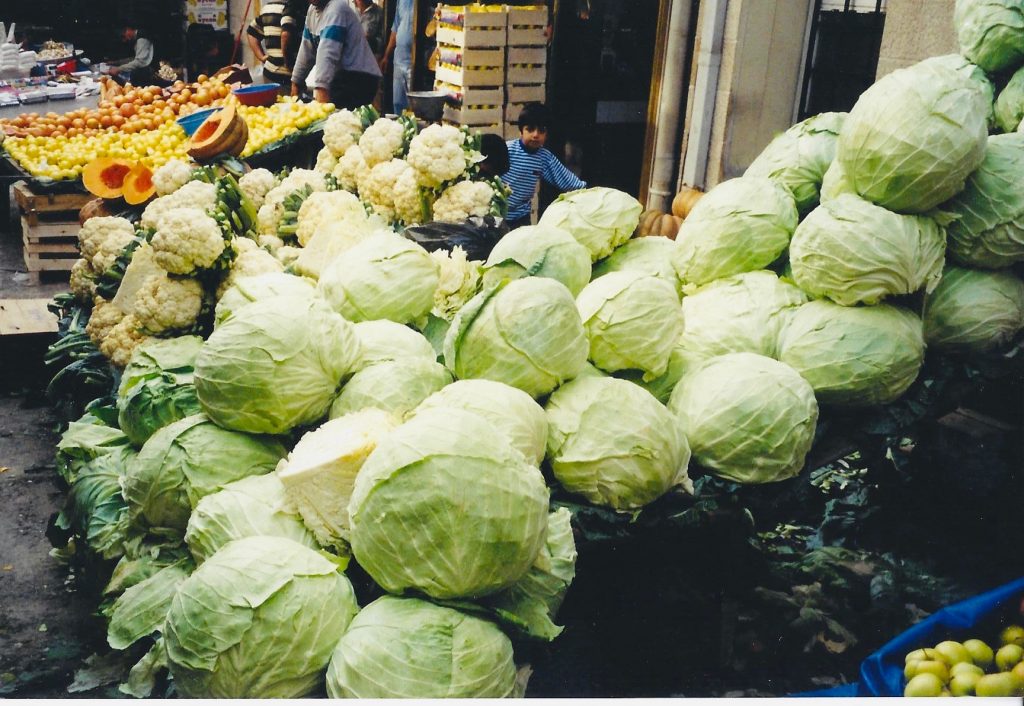
We not only had a great kebab lunch but also bought some clothing items. Amazing amount of fresh farm products were arranged in order not only of magnitude , but also brilliance of colors, and varieties. Added to it was a full spectrum of fruits and nuts. Simply put, they displayed a panorama of temptations, impossible to resist for the shoppers. Therefore; We couldn’t resist buying Turkish baked items, Turkish delights, and nuts for snacks which lasted throughout our stay.

Vegetable-Market in Sultanahmet, Istanbul

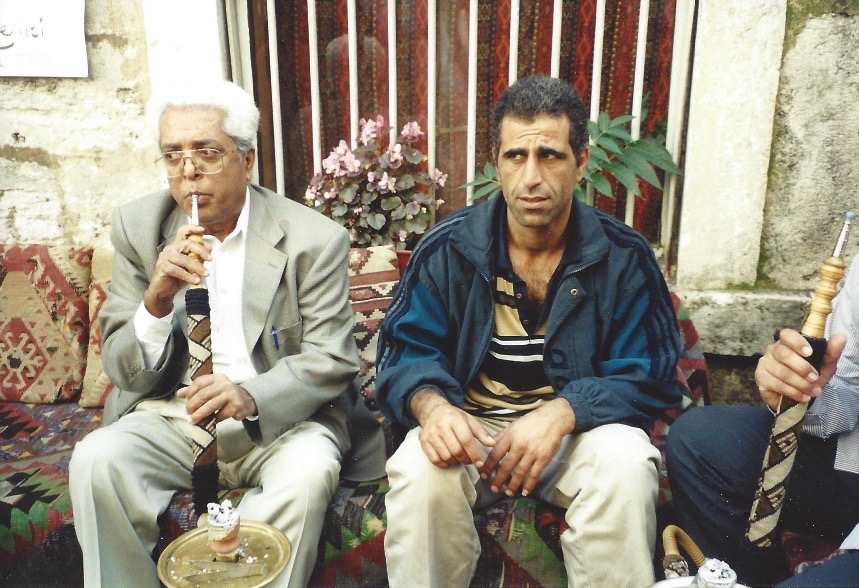
After spending an interesting day around the hotel we were staying in, we were ready for some rest before we went out to dinner. We found Mesale Restaurant which was also in Sultanahmet. we had a delicious meal of Turkish kebab, Turkish bread (which was being made by a lady a few feet away from where we were sitting), rice, salad and more. Different levels of activity around was interesting; some people eating, some having coffee and desserts and others had moved on to smoking their Hukkah. Most surprising was the fact that there were lots of women smoking Hukkah and all were having a great time. When we were growing up, Hukkah was popular in Hyderabad but I never imagined a woman smoking, let alone a Turkish woman smoking it. Jaffer decided to give it a try.

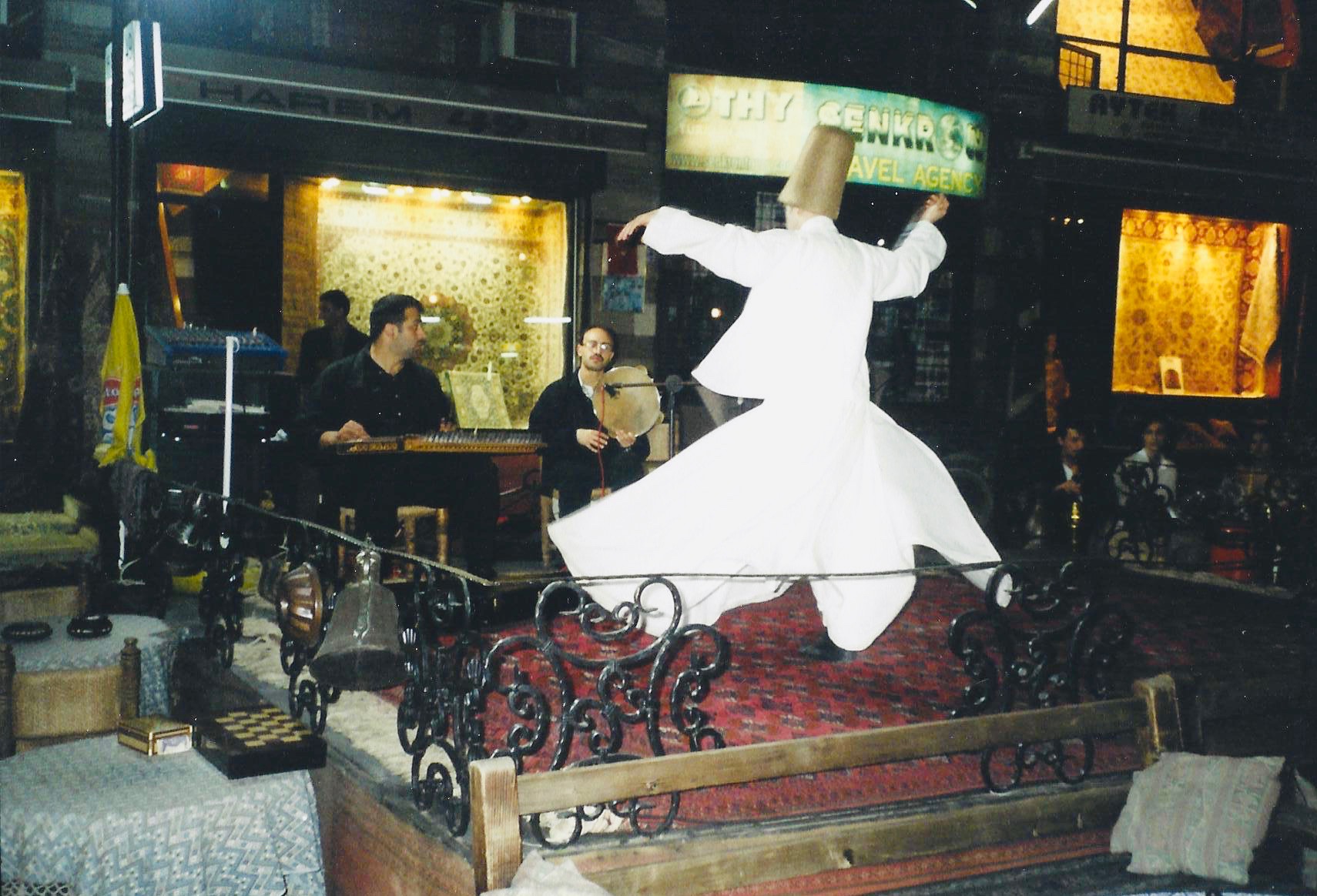
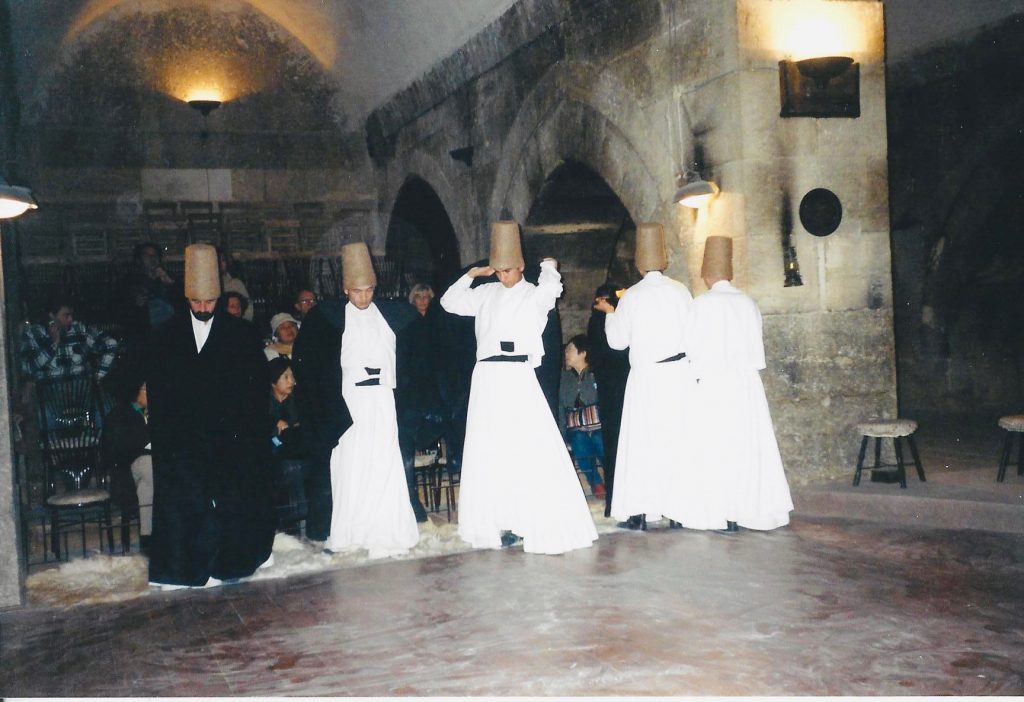
The ambience was soothing with soft lighting and peaceful music to which whirling Dervishes were performing on a centrally set stage in their stunning, angelic dance called Sema in their white robes and felt caps. Their flowing white robes called a tennure, and cylindrical felt cap called asikke.

Whirling Dervish
whirling-Dervishes-performing

Sema is a religious dance performed to achieve the love of God. Its Origin is with a Turkish Islamic sect called sufism founded by Mevlana Jalaluddin Rumi. The following youtube video presents whirling Dervishes performing.

A perfect day in Istabul had an emotional and fulfilling end. We had a great time. For more info on Dervishes click here


previous

Turkey, October,2002

Istanbul, Turkey

Doruk Leather Center, view from Seugma Hotel

In October, 2002, we planned a two weeks trip to Central Europe and the itinerary included Romania, Bulgaria, Turkey, and Greece. We flew into Bucharest (more on Bucharest later) for our two days stay before heading out to Istanbul, Turkey by train.The train would take us through Romania, and Bulgaria to Turkey. Our plan was to go to the station and have lunch, and buy snacks and something for dinner to carry with us on the train. When we arrived at the station, we got a shock to see that place was totally deserted, but for a few passengers who were waiting for the train. There was one small stall where they were selling some candy treats and amenities, may be magazines. We went out and got some lunch and a few snacks to carry with us, again thinking we could get a meal in the dining car of the train. But that also turned out to be a mirage. There was no dinning car; therefore, we had to settle for whatever we had with us. Our journey started at exactly 2:05pm as scheduled and was supposed to last for 18 hours.

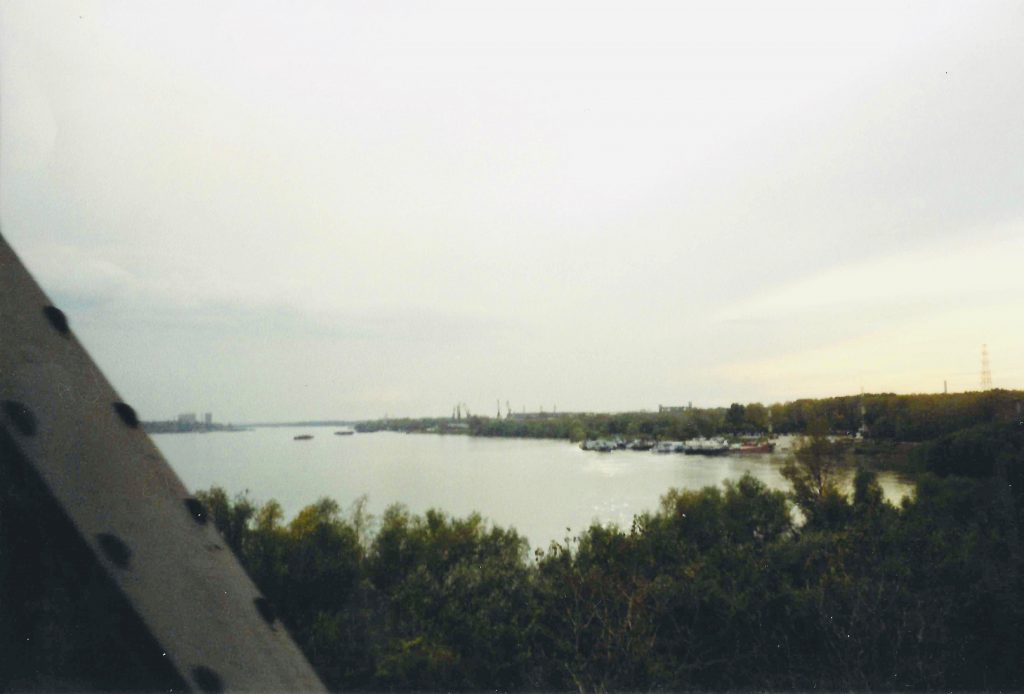
The passengers in our part of the car were some lively young people who were, obviously, wanderers traveling in Europe on budget with backpacks and having a great time. We met a couple from Vancouver, and two other young people also from Canada. There was another older couple, Joanne and Paul who were in the cabin next to us. They were, apparently, regular visitors to Istanbul and gave us a lot of information which was very helpful. They suggested that we stay in a Hotel called Seugma, in Sultnahmet District which is the heart of historic Old Istanbul and best base for sightseeing in Istanbul. Talking with all the passengers was a good entertainment while the train chugged along with its hissing and screeching on a huge, very wide bridge on the immense, shimmering, beautiful River Danube running along the awesome plains and plateaus. Our journey was long, more than 24 hours, to get to Istanbul, our destination. We had to cross borders of adjacent countries. Therefore, we crossed from Romania to Bulgaria to Turkey. We settled down in our very comfortable cabin with comfortable berths for the night.

River Danube

Each time we came to a border, the train stopped and it felt like we were in some kind of war zone and was going to be trouble. On our first stop, a lot of uniformed inspectors got on board on the Romanian side at the Bulgarian border. With great commotion the cabin was searched with a hint of aggression, luggage and tickets were inspected with huge, shining flash lights.  After all that thunder and lightning, they left and it did not take long for us to enter Bulgaria where the train came to a stop again and second set of uniformed security people from Bulgaria thundered into the cabins to carry out similar checks before they allowed the train to enter the country. Throughout Bulgaria to Turkey the ride was extremely rough, with tremendous amount of noise and violent moves from side to side making it a very scary experience. Anyway what with the rough ride and frequent inspections we got no sleep as we were awakened before and after each border crossing. At last, we reached the border of Turkey at 3:am. An announcement was made in a spooky, alien voice in a language we didn’t understand. We had no idea where to go, or what to do. They did not explain. Even if they did, language would have been a problem. By this time our car was empty for everyone ran out to get the visa. Luckily, I saw a young man coming back in after getting the visa, and asked him about what he had to do to get the visa. He was very gracious and explained to us that we need to take $65/- per person cash, passports, and tickets and walk to the cashier-stand first to pay, and then to the office next to it to have the visa stamped on the passport. It was a great help and everything went smoothly. After the immigration check, we were on our way to Istanbul. The train departed promptly and was at a full throttle on a snake tract while it rained torrentially. All the ingredients of terror travel seemed to be in the offing.

At last we came to Istanbul railway station at 10: am instead of 8: am. Happy to be there, we found that the station was pretty modern and of a considerable size. From there we took a taxi to go to Hotel Seugma, recommended by Joanne and Paul who were traveling with us, located in a central place. The location of Seugma was extremely ideal. It was in, Sultanahmet, the old city center of Istanbul.  We were excited to be in this dream, multifaceted city with anticipation of enjoying its richest history, culture, and cuisine.  After checking, We went to our room and freshened up to come down for breakfast. We ordered their typical and only breakfast which consisted of boiled eggs, sliced tomatoes, sliced cucumbers, sliced cheddar cheese, feta cheese, bread rolls and coffee. One of the unique feature was that they had the tea in a samovar which was divided vertically in two parts. One half had concentrated tea in it, and the other half had boiling water, and people could dispense desired amounts of coffee and water to suit their own taste.  The best part for me about staying in this neat hotel was that it had an old book store right in their basement. I spent time going through their bookshelf and enjoyed it when I had time to spare, sadly there was not enough time.

On our first day we went on a walking tour which started with Hippodrome. Hippodrome, a stadium, played an important role in the city’s life. Much more went on there than just the games and chariot races. Emperors celebrated their victories and executed their enemies. Games were not only symbolic of various political aspects, but also evolved into strange communion between the emperor and his people. Hippodrome is a square and its center line can be traced through three surviving columns: Column of Constantine, Serpentine Column, and Emperor Theodosius bought the obelisk from Egypt in 390 and erected it in the Hippodrome.

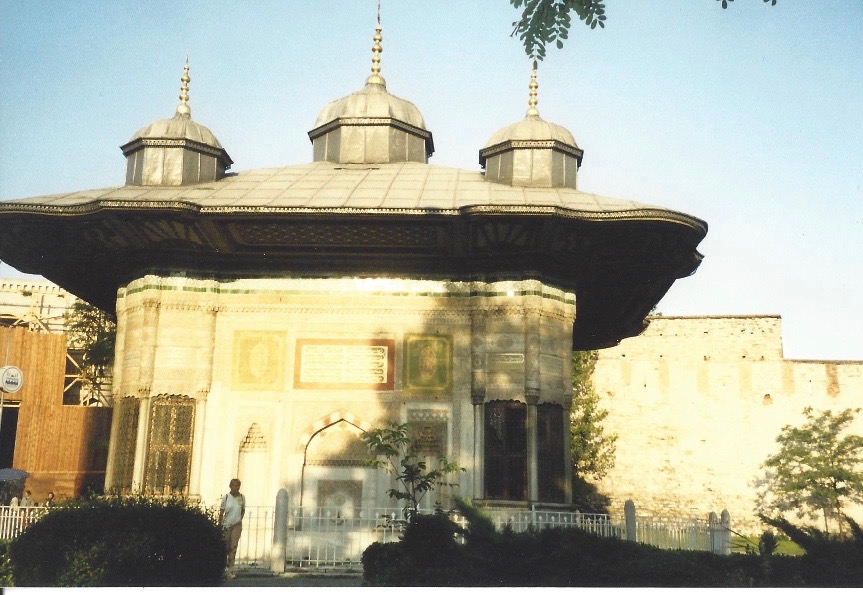
Then we walked over to Topkapi palace, which became a museum in April, 1924 by the order of Ataturk, and was built by Mehmet Fatih on the hill north of Beyazit square, near where the Golden Horn joins the Bosphorus. Suleyman the Magnificent was the first to move to Topkapi palace permanently. Richest Collections of porcelain and emeralds survived even though most of the treasures were sold off when the empire was teetering at the edge of bankruptcy.

The hill where the Palace stands had been the acropolis of ancient Byzantium. Palace complex has three gate. The Bab-I Humanyun (Imperial Gate) is the main entrance to the Palace on Hagia Sophia side and built in the time of Sultan Mehmed. The Babusselam-Gate of Salutation (Middle Gate) has two towers and was a symbol of pomp and majesty of Ottoman State. The Babus saade(Gate of Felicity) Important icon of Ottoman Empire. It served as an entrance to the private residence of the sultan.

Babe-Humanyun, Imperial Gate Topkopi Palace Museum, Istanbul, Turkey

A large section of the museum was closed but we were able to visit the treasury, Sultans costumes and Holy relics, but were not permitted to take photographs. We were lucky to be able to see Talismanic wrap, a tooth, and hairs from the beard of the Prophet Mohammed. Then there was an Audience Chamber where viziers presented the issues to the king.

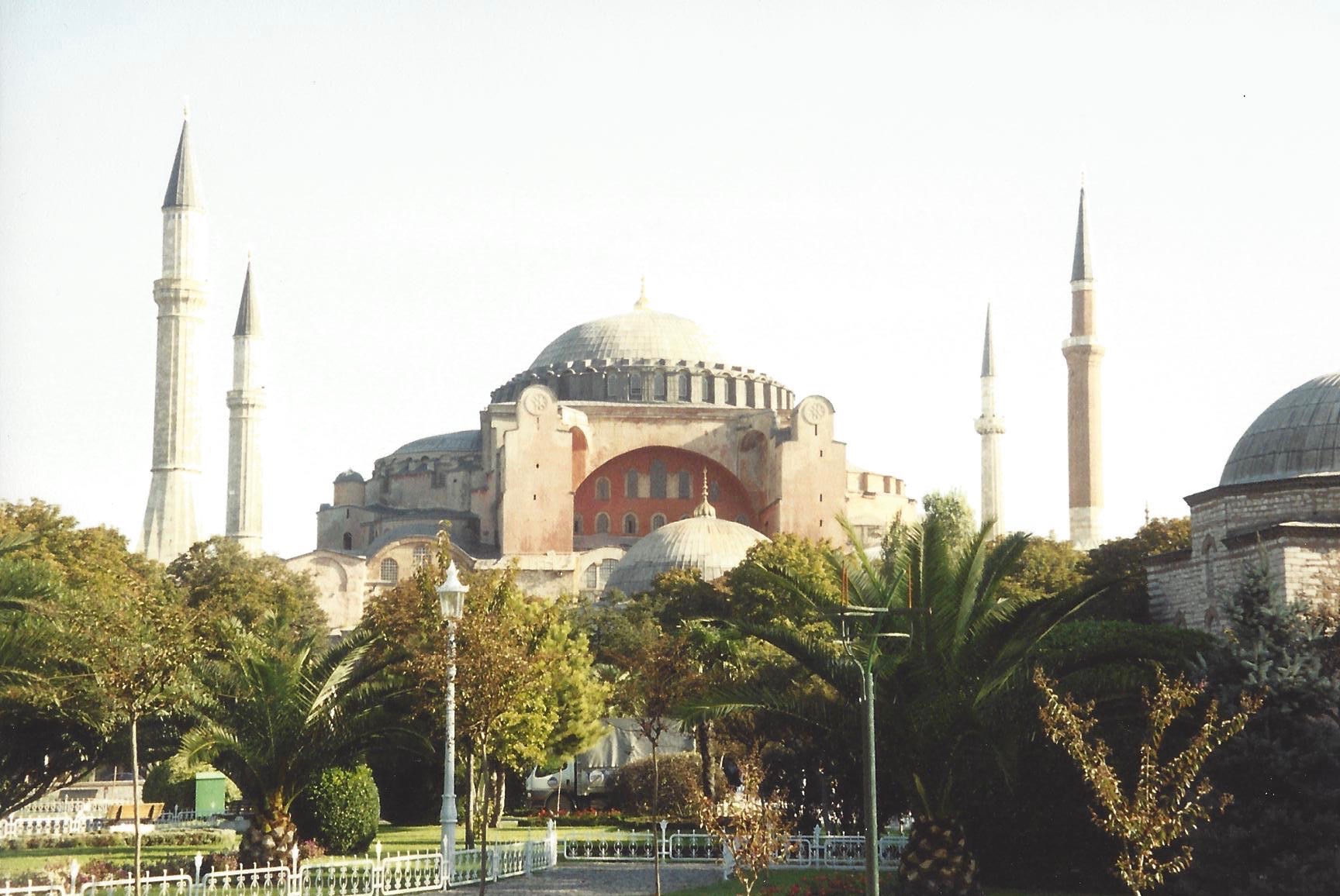
Topkopi Palace,Hagia Sofia, and Blue Mosque are in a walking distance of each other . Hagia Sofia was built as a cathedral in the 6thcentury during Byzantine rule. It was converted to a mosque during ottoman period. It has a largest dome after St. Peters in Rome and St Paul in London. Christian icons and painted images were covered because Muslims considered it idolatry. But when it became a museum in 1933, images were uncovered and could be seen in many areas of the church. when we were there in 2002 the work was still ongoing and was not completed.

Blue Masque, Istanbul, Turkey
Hagia Sofia, Istanbul, Turkey

The Blue Mosque is across the square from Hagia Sofia and was constructed by Sultan Ahmet in 1619 as a matching bookend to it across the square from it. It was acclaimed for its finest architecture. Inside it has 21000 iznik tiles painted with blue Arabesque, therefore its name. This was the only mosque which was built with six minarets as opposed to the usual 2 or 4. This led to a chorus of protest because until then only shrine in Kaba was allowed six minarets. Mehmet was forced to send Mehmet Aga down to mecca to build a seventh minaret. Ahmet died when he was 27-year-old and was buried near this creation. The tour also included the visit to Basilica Cistern, and Valens Aquaduct.

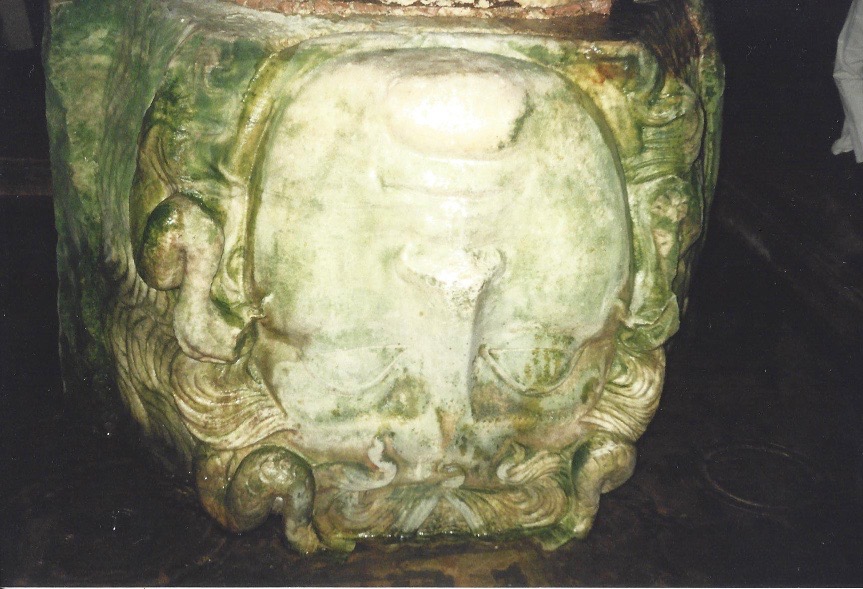
Basilica Cistern also known as Sunken Cistern is an ancient water reservoir, built on the site where there was a Basilica, and held 100000 tons of water to be supplied to the entire city. The roof of the cistern has herring bone design. And the most striking features are the Medusa heads holding up the two pillars; One head is completely upside down and the other is sideways, both at the base of the column, but it is not known why. There is another solitary column in this forest of pillars in the Cistern called column of tears with peacock feather designs all along the surface. It was believed that the peacock design may have depicted immortality to the designers, because peacock meat stays fresh much longer than any other fresh meat.

Medusa Head sideways, Cistern, Istanbul
Medusa Head upside down, Cistern, Istanbul
Teardrop column, Cistern, Istanbul

Romans built Aquaducts in Europan cities supplied water to the cites and still have some limited use in most places including Turkey.

Aqueduct, Istanbul

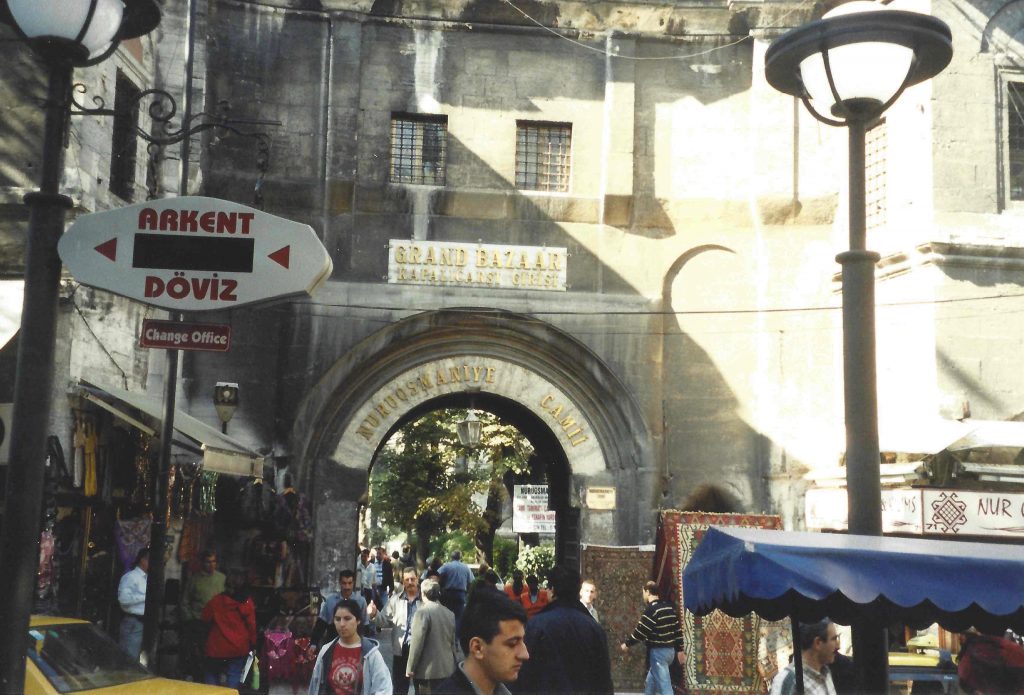
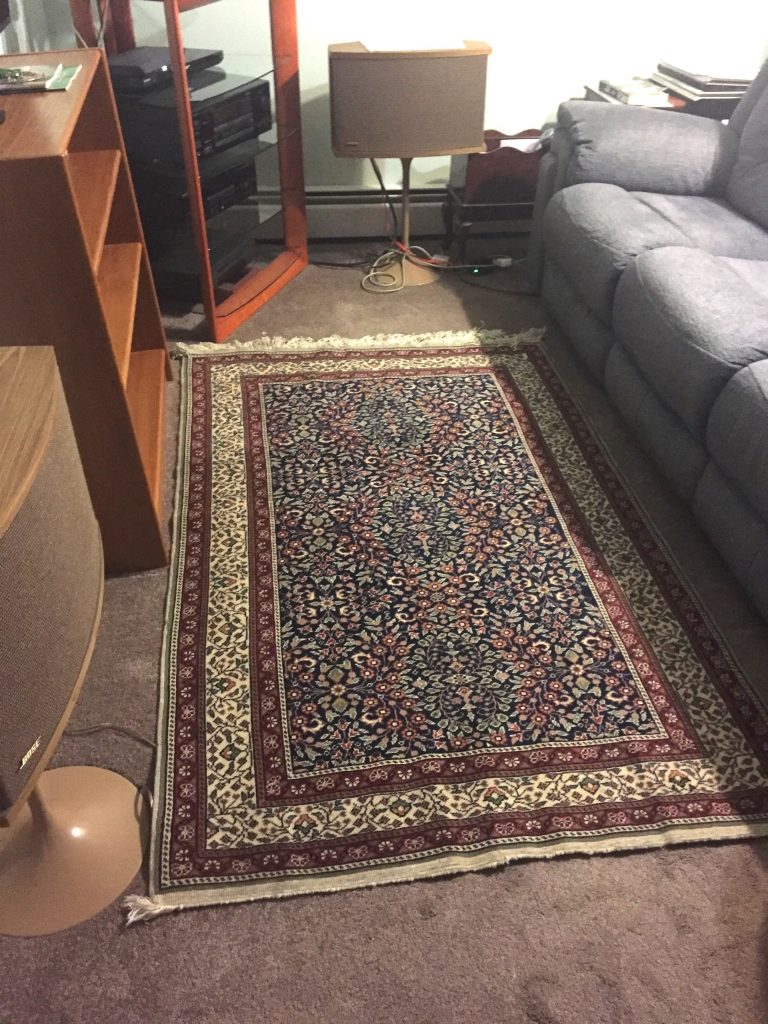
 The tour continued with our visit to Grand Bazar, which is a covered market in Istanbul and is one of the largest and oldest in the world and is the mother of all the shopping malls. While there, we were taken to a wholesale Turkish rugs presentation and we came out after buying a rug we cherish in our TV area in our Bedroom. 

Gate to Grand Bazar,Istunbul
Turkish Rug in our TV area

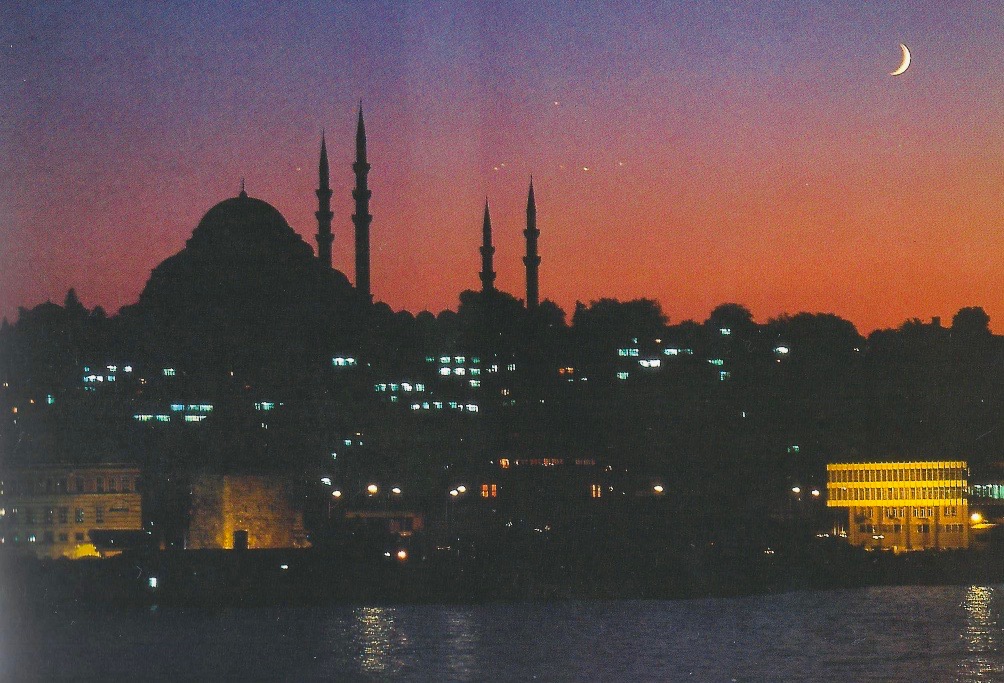
Next and last stop for the day was Sulaymania Mosque built by master architect Mimar Sinan. Its beautiful facade was even more beautiful and awe inspiring with its four minarets punctuating the skyline. Entrance to the mosque required some dress rules for the visitors; women were required to cover their hair and arms, as well as their leg, whereas men could wear short sleeve shirt as long as they have long trouser to enter the mosque. Once inside, the ambience was of perfect peace and tranquility. The interior of the mosque is decorated with Iznik tiles and colorful carpets. There were beautiful chandeliers hanging from the ceiling, and dangling from the center of each chandeliers were Ostrich eggs. Apparently, Mimar Sinan, the architect used this natural method to protect the mosque from spider webs and insects. It was believed that ostrich eggs emit odors which insects such as spiders find it unbearable. We were not allowed to take pictures inside the mosque. This from outside, and not mine.

Suleymaniya Mosque (photo credit unknown)

 Sightseeing in Istanbul was full of excitement, discoveries and realization for me that how Hyderabad and Turkey shared common social and cultural traditions. Which brings me to mention the fact that the last ruler of Hyderabad, Osman Ali Khan, descendent of Asaf Shah dynasty, had two of his sons married to Turkish princesses. His eldest son Azam Jah married princess Durreshvar, daughter of the deposed Caliph, Sultan Abdul Majeed of Turkey; and Osman Ali Khan’s second son, Moazzam Jah married Nilofer, the niece of Durreshvar. In turn Azam Jahs two sons Mukkaram Jah and Muqqafam Jah also married Turkish princesses, Esra and Esin. These marriages between the two dynasties oceans apart had a strong influence on both cultures. Everything in Istanbul reminded me of my life in Hyderabad, and was really happy and surprised to see how much social, and cultural tradition we shared. Turkish restaurants served delicious Turkish Kafta kebabs, which are popular restaurant item on the menu in Hyderabad. And in Istanbul Yahin Pilaf reminded me of yakni Palao which is common in India and Pakistan, and a fairly regular go to item.

In Istanbul, I saw men in Romi topi (Tarbush) which was really a surprise for me. Romi Topi was part of the elegance in the way men dressed for work and special occasions in Hyderabad. In Hyderabad Sherwani ,men’s long jacket, (Sherwani evolved from Turkish Cape which was given a more Indian form) and Romi Topi (Trabush) was part of the business attire during Muslim rule. I couldn’t help but reminisce about my life with my parents, but especially about my father who went to the Court (he was a judge) dressed in a Sherwani, and with Romi Topi every day. Romi topi seen in is picture were usually Maroon or red in color with a healthy black tassel on the side.

Romi Topi seen in the photo
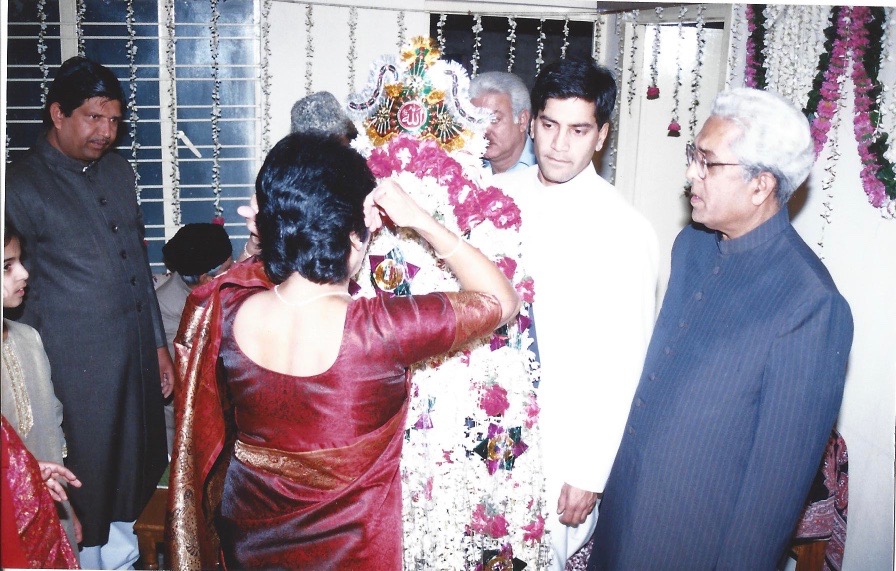
Jaffer(my husband) and Ashfaq( our older son) wearing Sherwanies at the wedding ceremony of Ishtiaq( our youngest son).1999.

I reveled at my good fortune that I am part of this cultural heritage which still exists, though in small measures, in some parts of Hyderabad, and some sections of some cities in India, and even among the Muslim diaspora around the world. Next Post