Category: Travel Blog

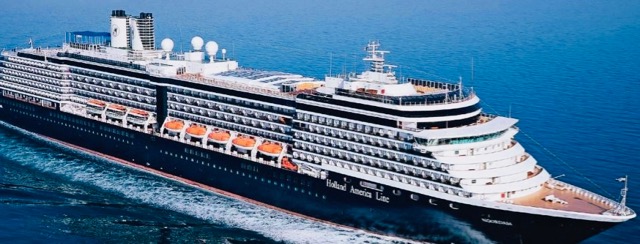
To Auckland on Noordam, Holland America Cruise line

 To Auckland on Noordam, Holland America Cruise line

Noordam, Holland America Cruise LIne. Stock photo

We flew into Auckland, New Zealand on November 1, 2017. At the airport, we were met by Nizam, Salma’s son.Salma is our first cousin, and her son lives in New Zealand. He came to receive us at the airport and  drove us to the apartment we booked for three nights where we planned to stay before embarking on our ship, Noordam, Holland America Cruise line for our New Zealand, Australia cruise. It was a centrally located, cosy, one bedroom apartment with basic amenities, such as a small refrigerator, microwave, and a stove. With Nizam’s help we settled in, got the internet connection, and got adapters from the front desk. Since this apartment was part of a hotel, they provided the adapters.

Nizam left promising to come back to take us for dinner to a restaurant. He returned on time, and very thoughtfully brought milk, sugar, and teabags for breakfast, for the following morning just in case we wanted to stay in. He then took us to a Hyderabadi restuarnat for a great dinner. Nizam is one of the  large group of people from Hyderabad, India living in Auckland. This Hyderabadi diaspora has carved a niche for itself in the food business in Auckland. And it was a treat for us to be so far from home and yet enjoy great home food. We returned after a great evening,  and delicious food with Nizam. The journey had wiped us out. We went to bed and had a good night’s sleep.

We got up fairly early, and just as we got ready Nizam was there to make sure we were alright, and to help us with the breakfast. Instead of staying in for breakfast, we decided to go for breakfast to a Dunkin Donut. We found a satellite dunkin donut and had donuts that were lot smaller, seemed like it must be in keeping with the size of the place. Even coffee sizes were smaller and  didn’t taste quite the same as in the U.S. which was a normal experience while traveling to different destinations.  After breakfast we went to the War Memorial museum in Auckland. Museum’s collection concentrates on New Zealand’s natural, regional, and military history and  beautiful construction gives it the satus of New Zealand’s finest heritage buildings. There were extensions built after the World War 11 to house all the memories including the names of all those who lost their lives.


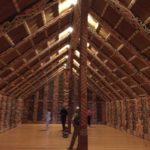
On the ground floor of the museum a gallery which contains artefacts dating back to the time when Maoris came to New Zealand from Polyneshia and settled. There is a magnificent carved wooden gate to the meeting house in the gallery which contains host of objects for presentation of Maori everyday life. Maori people have been able to retain their ethnic identity inspite of the modern pressures and influences. We were able to see the Maori Haka dance they perform twice every day at the Musuem. Haka dance is a ceremonial dance performed before going on to the battlefield, and also after the peace  was accomplished. It was very interesting, and was a fierce display of pride, strength, and unity. Their fiery actions of foot stamping, tongue protrusion was accompanied with women’s delicate action of constantly fluttereing  their fingers in the manner, as if they were humming birds, was awesome. All the while they danced there was a loud Chanting and body slapping by all the dancers.

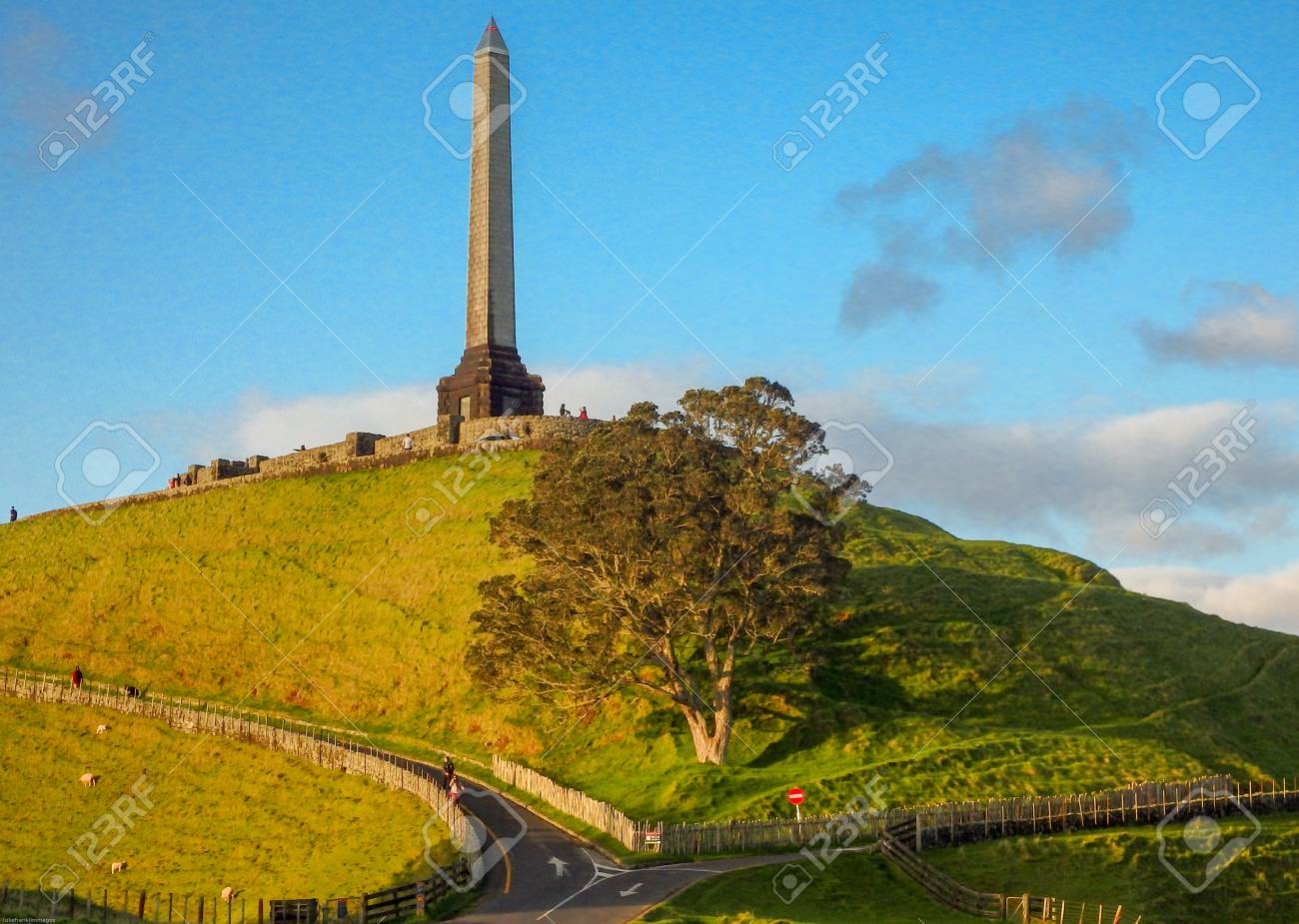
We stayed in Auckland for three days, and Hyderabadi  restaurant became our regular haunt, except a few times, when we had lunch at the food court in the mall, or grabbed something quick from a fast food joint to save time for sight seeing which included One Tree Hill, a volcanic peak in Auckland, NZ. The idea was to go up for the view across the Auckland area. I opted to stay in the car because of what seemed like gale force wind  I can never deal with. Jaffer and Nizam decided to climb the mountain but, of course, they quickly discovered it to be impossible as it was too windy and they returned promptly. We had a light meal at a fast food place before returning to the apartment.

One Tree Hill Monument, stock photo


In the morning, we went out and spend some time driving around, had lunch before getting dropped off at the port. Our cruise ship was to set sail at 6:30pm and we had to be on board before 3:pm.

 All went smoothly with the boarding process except Jaffer and I got separated in the commotion of security as we got on board. I experienced a few minutes of panic because all my stuff was with him including my passport. I had visions of getting arrested and never to see the light of day. Yes, it sounds like exaggeration but it can happen? Anyway, all went well when we found each other. We headed to our stateroom 7145 which was one of the Neptune suites with wrap-around aft balcony. Even before we settled in, there was loud announcement calling all passenger to go to an assigned deck for a safety drill. Obedience was exacted saying that those who don’t follow the rule will not be able to go on the cruise. The deck seemed crowded but they made everyone fall in line with a military discipline.It was done fairly smoothly and quickly. We were all back in our cabins planning the exploration and fun. We set sail at 6:30pm from Auckland.The evening progressed according to the timetable given to the passengers. we sailed away from Auckland to our next port of call, Taurranga (Rotorua).

View from the Ship


Click here for Tauranga (Rotorua)

Kovalam, Kerala 2006

A Trip to Kovalam, Kerala

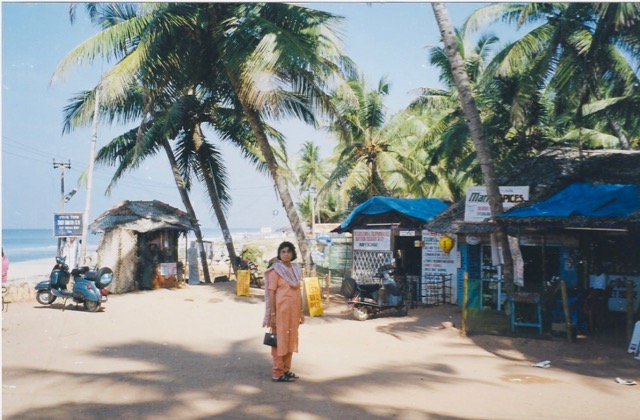
For our second trip to Kerala  we went to  Kovalam, Kerala on a Saturday. We arrived there in the afternoon. The place we were staying was a country Club vacation resort on a hill. The resort is spread out and set apart with beautifully landscaped bushes, prickly palms and colorful bamboo plants. It was interesting to see that the young bamboo trees were bright red but, apparently,  as they grow they turn green. Fruits on the trees are like string of beads hanging down. We had a tree right in front of our porch where we had our meals.

There was a gate at the back of our resort which was kept locked and a security guard was on duty to let the guests in and out to go to the beach which was about 10-minute walk from where we were. Since there is no quick access to the beach, we carefully climbed down a treacherous hill strewn with boulder, and rocks which made for an uneven surface. The beaches were really beautiful but we were advised against swimming when the ocean was rough with dangerous undercurrents, but a lot of tourist go swimming during low tide when the ocean is calm to enjoy their swim. But we saw that during low tide, even good swimmers were having difficulty and getting knocked around a lot while swimming.

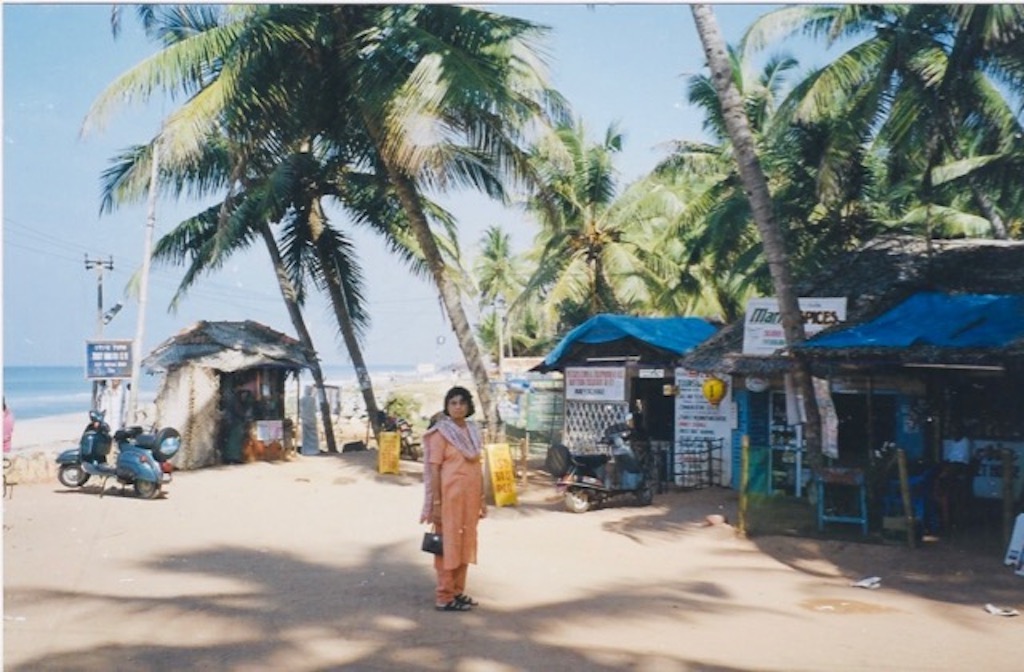
There are lot of stores along the beach supplying needed snacks, drinks, clothing, and costume jewelry. One little tea stall became our haunt for mid-morning snack and tea. The guy made his yard-long tea by mixing in a typical style before pouring into glasses. It was always delicious. I also bought T-shirts and some jewelry from one of the stores which was owned by a Kashmiri gentleman named Mubbishir Ahmad. He had some trendy dresses for the tourist. I bought two beautiful sets of jewelry, one black onyx set which included a necklace, earrings, and bracelet; and another set of chain with a pendant, a ring, and bracelet with Topaz and studded with tiny Zirchonia around it at a very reasonable price.

When the tide was low and the sea was calm, the local boatman took the tourist out for 1-hour boat rides on their log canoes.  These canoes were literally made of four huge logs using two logs for the base and the other two for the sides. Water seeps in through the spaces in the base logs. We took a ride on one of the canoe, but the water coming in the boat was somewhat alarming. , Naser,  the boatman, reassured that there was no danger. It was a fun ride on a warm, breezy and beautiful day. Gentle lapping of water against the boat while he pushed the water with a paddle which was nothing but a thick part of the bamboo stem split into half and cut to a required size. When we got back to the beach, Naser introduced us to his father who was busy with his fishing gear on his own boat. When Naser found out that my name was Rasheeda, he told us that his wife is also called Rasheeda. His two daughter were 4 and 6 graders and their monthly fees is Rs.4000/ and he thought it was worth it.

That part of Kerala has lot of Muslims. There was a mosque right on the beach and stores are owned by Muslims also. They were excited when they found out that we were Muslims. One of the guys brought us a newspaper to show us how they are trying to form a New Muslim Party. Since we did not know how to read Malayalam, local language, they communicated whatever they could in their broken English. They were really friendly. We walked around and bought some snack and miscellaneous things.

Next morning there was a lot of activity within the resort area. A lot of women were carrying dried palm leaves and bark of the tree somewhere, obviously, to dump it. This went on and on. Then I saw men carrying huge tokras (bowls made of wicker) full of coconuts were also coming from the same side and were headed where the women were headed with trash. A loud noise of falling coconut was accompanied with incessant loud noise of people shouting and hurrying footsteps.

I was curious to see what exactly was going on, so went down to find out what the commotion was. Just as I had already guessed there was a major cleanup going on. There were two kalals (thandans) on two coconut trees. As I approached, everyone started shouting at me in fearful excitement for me to stay well away from the area because the falling coconuts could cause injury. I stopped in my tracks and approached the people nearby to find out exactly what was going on. I was informed that that was routine bimonthly coconut cleanup when they cut dead leaves and bark from hundreds of trees in the resort area. All the coconuts picked up and carried to be pile up in a designated area. All the dead leaves and bark also was also piled up somewhere close by. The green palm leaves which I saw some people carry were not visibly piled anywhere near. All the resulting products of the cleanup was, apparently, recycled for various product for their own use. Certain amount of fresh coconuts were used to make coconut cream, and coconut milk. Even dried coconuts were sent to the mills to extract oil. All the products were used by the resort itself.

On our final morning when we went for a walk, we saw that Naser, our boatman, was sitting on some logs. I asked about his canoe because I wanted to take a picture, he showed me four logs lying on the beach. When I gave him a baffled look, he explained that every so often they disassembled the boat into logs to let them dry out. From being in the water  they absorb a lot of water and get heavy making it  difficult for them to carry the boat in and out of the sea. Therefore, a drying period was required although there was never any danger of it sinking.

On our last day there we went back and saw that a fishing boat had just come in. Excited that we would have a chance to see the booty of the ocean they bring in, we went closer. But unfortunately they did not have anything due to some unforeseen circumstance which they tried to explain in Malyalam and we had no clue what they were saying. All we could gather was that they had a problem. It was interesting to watch them bring in miles and miles of fishing net which they take on their boat to throw over a large area of the sea for their daily formidable catch, which was not there for us to see. They carried their empty net to their boathouse which was parked on the beach as a storehouse for their fishing needs. It was an interesting trip with lot of information.

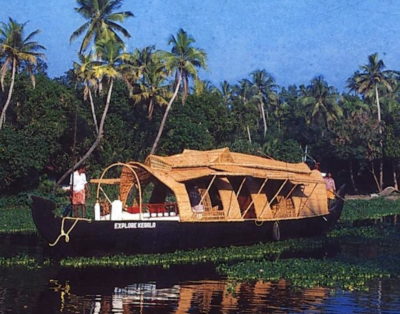
Boating in Backwaters, Kerala
Boating in Backwaters, Kerala

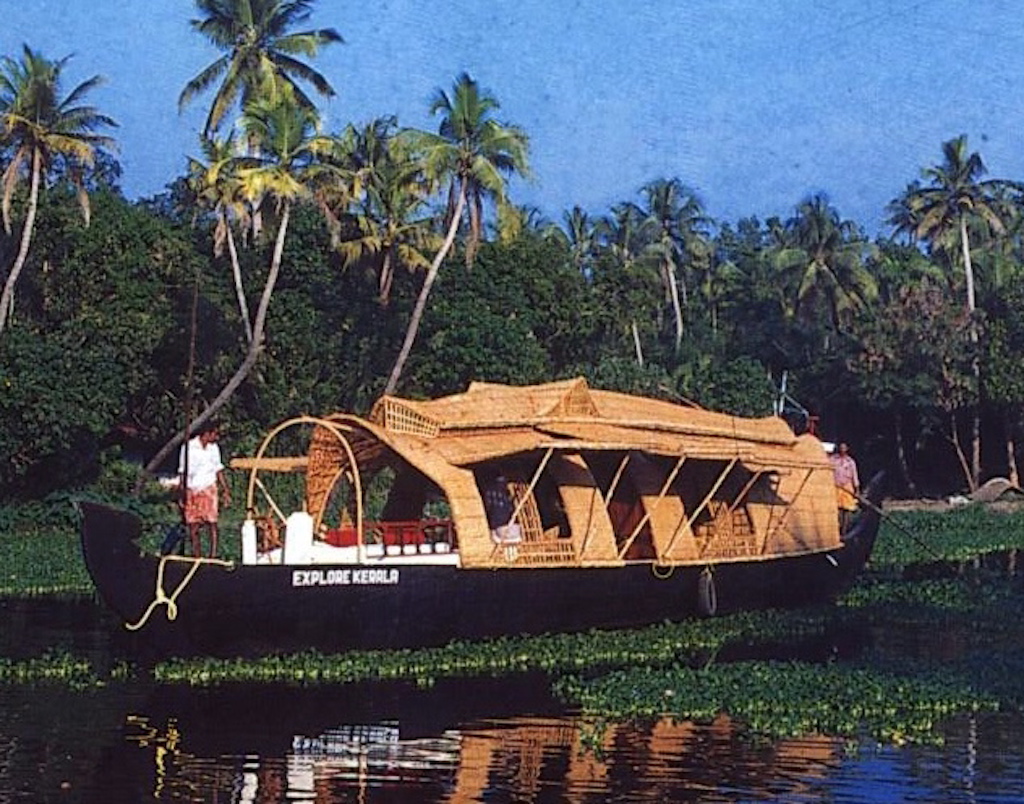
Houseboat in Kerala, stock photo

I am putting this post to share our experience of vacation in Kerala in the year 2001. Kerala was on our bucket list for a while, and we eventually made it. It was exciting to be there finally. It has been almost 20 years since we were there and, I am sure, things have developed, tourist traffic increased tremendously, and many more options are available for the tourists. I hope this post would entice those who travel to India and those who travel within India from different places to experience Kerala’s beauty and adventure. Kerala state is in South India on the Malabar coast and is known for its coconut palms and breathtaking backwater.

In February 2001, we flew into Bangalore from Hyderabad. From there we took a taxi to the train station to go to Varkala in South India. We could not travel the first A/C because Kanyakumari express did not offer it at that time. We got into second A/C, which was not bad except that it was divided by curtains instead of partitioned off with doors. Each sleeping car had four berths, two on each facing walls to accommodate four average-sized adults, one on each berth, and that is what we had. We had a delightful couple, Jagdeesh and Minikumari, share the compartment with us. They were traveling from Yemen to Kerala and were good company.

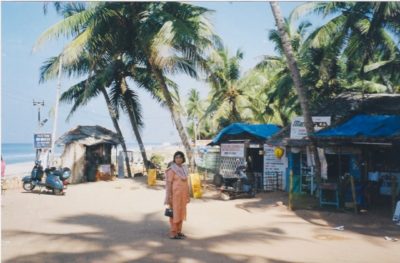
We arrived in Varkala
Varkala Beach

to scorching weather. We had to carry a big suitcase over the bridge at the station, walk down 70 steps, and walk through a large area to get a taxi. But as luck would have it, a taxi driver, Vijay, looked for passengers just as we came down. He took us to a Hotel called Preet. It was supposed to be a beach resort but was set away in the interior, and we had to drive at least 4 km on minor roads to get to it. The place was quaint and modern at the same time. There was a main building with few beautiful cottages at the front. We had a cabin with the main building as the backdrop surrounding a courtyard with beautiful gardens leading to the restaurant. A well-planned area rimmed by coconut palms providing a serene and inviting ambiance where the tables were set up for serving dinner.

After we checked in, we went to our cottage and decided to relax until dinner time. When we came down for dinner, food was already being served. We got a lovely table. It was delightful, with coconut-loaded palms looming large decorated with Christmas lights tied in strings to make them look like necklaces around the coconuts. Also, various shimmering lights were strung to the low bushes, which added to the charm. We enjoyed our delicately done delicious shrimp and fish curry served with Naan, rice, and salad.

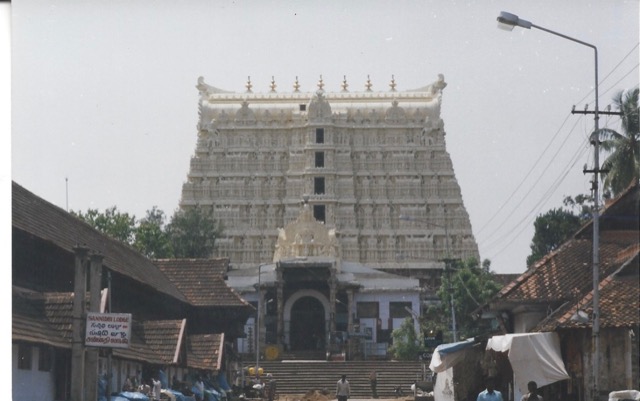
Following morning after breakfast, we went to Trivandrum (Thiruvananthapuram now) by car. Main sightseeing included beautifully carved Padmanabhaswamy Temple, situated in the city’s heart dedicated to Lord Vishnu. We walked around to take in the view.
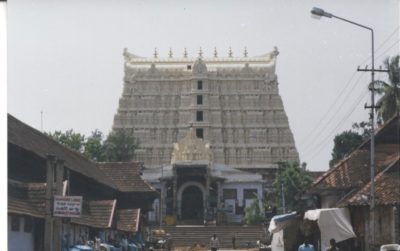
Sri Padmanabhaswamy Temple

After that we went to Sahara Restaurant referred to us by the travel agency. It was a dive but with great authentic Keralan food. They served Tapioca salad, a plate of rice topped with mixed vegetable curry with a side of coconut chutney. When we asked for a plate of fish, they brought us fried tuna curry and hiked the price from Rs. 20/- to Rs. 220/- but it was worth it.

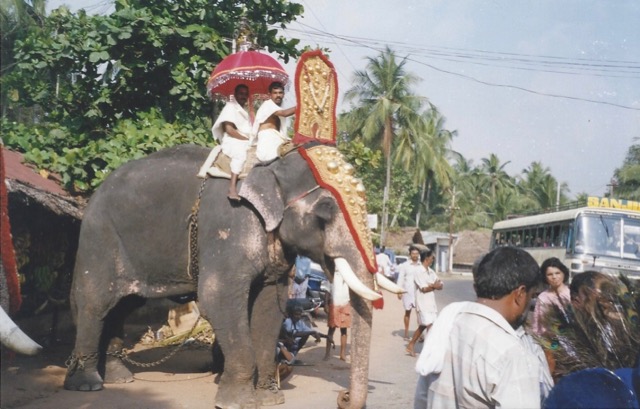
After lunch, we drove through Kovalam, and on the way, we came across a temple festival and got a chance to experience the culture and uniqueness of the place. Elephants looked majestic adorned with headdresses, and necklaces were the main attraction of the festival. A very cheerful large crowd where some people danced in animal costumes with traditional instrumental music of Kerala. Fluttering flags of different colors offered a visual treat.

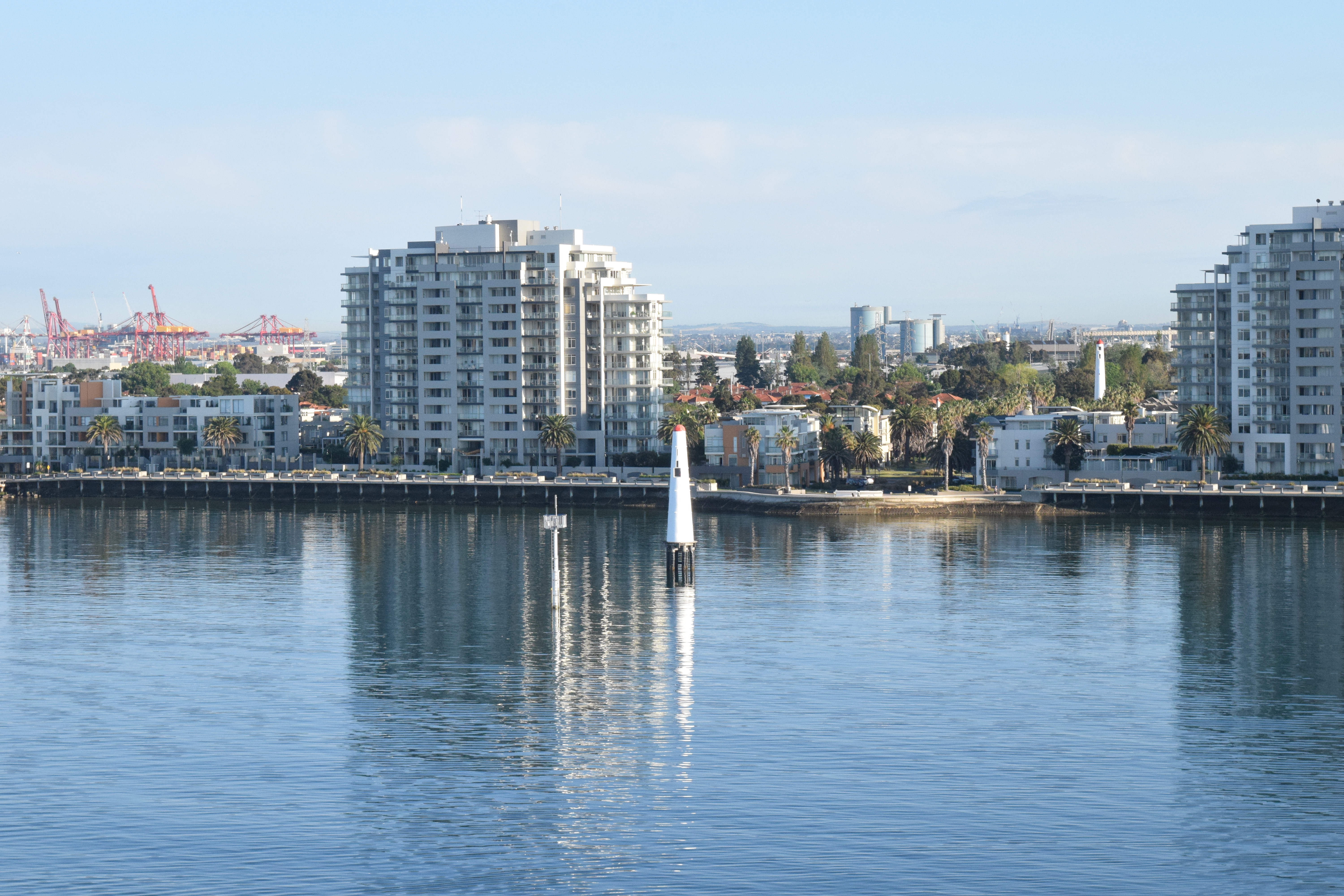
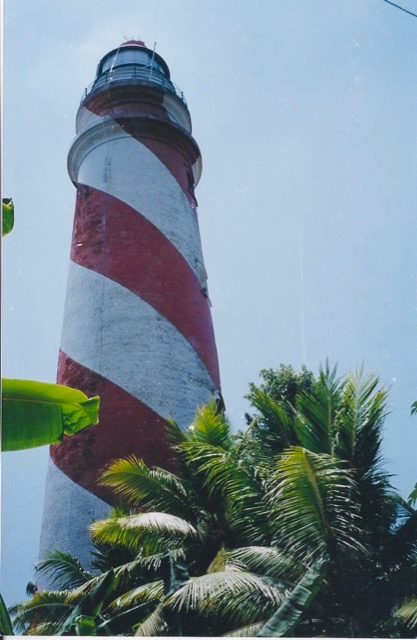
After that, we headed for Kollam, a prominent tourist destination, arrived there at 12:30 pm, checked in at Shah’s International Hotel, and had lunch in the hotel’s restaurant. We went to the beach, which was utterly deserted. The ocean, with it an immense body of water, was flat as a swimming pool. While going around, we saw the Tengasseri lighthouse, which is 135 ft making it the tallest lighthouse on the Kerala coast.
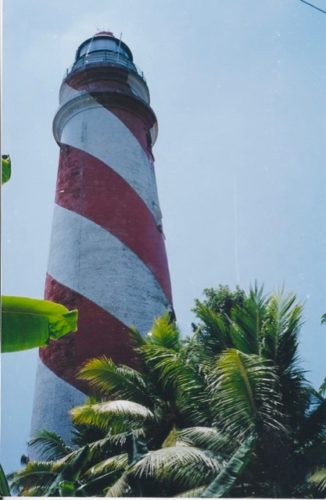
Tangasseri Lighthouse

Since there was nothing more to see, we decided to head out to plan our  backwater village tour to see the village life at its best. Went to the ticket office to arrange for a backwater canal tour to Monroe Island for the next day.
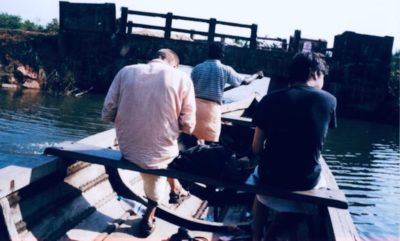
Backwater canoes

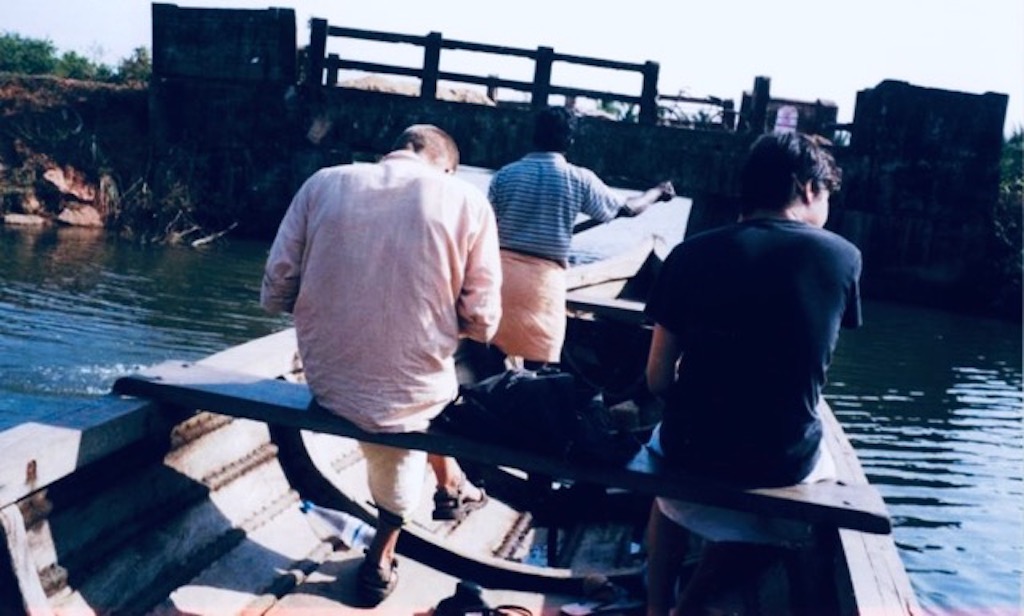
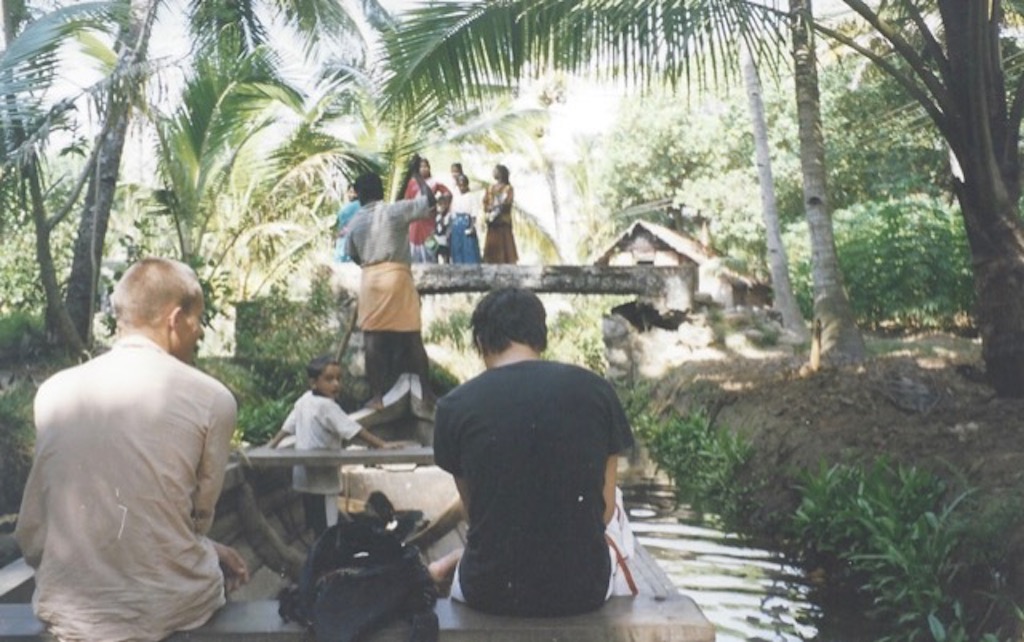
Backwater village tour is a canal cruise to Monroe Island. It cost us only Rs.300/- per person for a 3-hour tour. To get to the boat, we had to take a bus which took an hour. Once we came to a stop, the bus driver shouted for someone, and a guy came out carrying a little kid. There was some commotion and a noisy gaggle of people arguing. The bus driver told us to follow this guy to the boat. He brought us to a small canal with a canoe of reasonably big size. We were motioned to get in. There were two Japanese tourists also who got in with us. At this point, two crew members went looking for their punting poles and other gear. There were many families around, and one kid was standing with a school bag and giving poses to the Japanese who were taking pictures. He got in the boat to be dropped off at his home, seemingly was waiting to go home after school. Traditionally, the backwaters are regularly used by local people for transportation, fishing, and agriculture. Eventually, two crew members got in on either end of the boat, ready to begin the cruise. The canal was narrow, but they managed to squeeze through very skillfully.
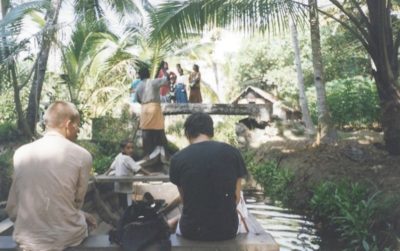
Another of Backwater Canoe

We continued on our cruise. We saw some jackfruit trees laden with fruits along the canals. There were cashew trees with lots of cashew apples with one cashew on each fruit. It is an exciting phenomenon. Each tree produces up to 100 pounds of cashews per year.

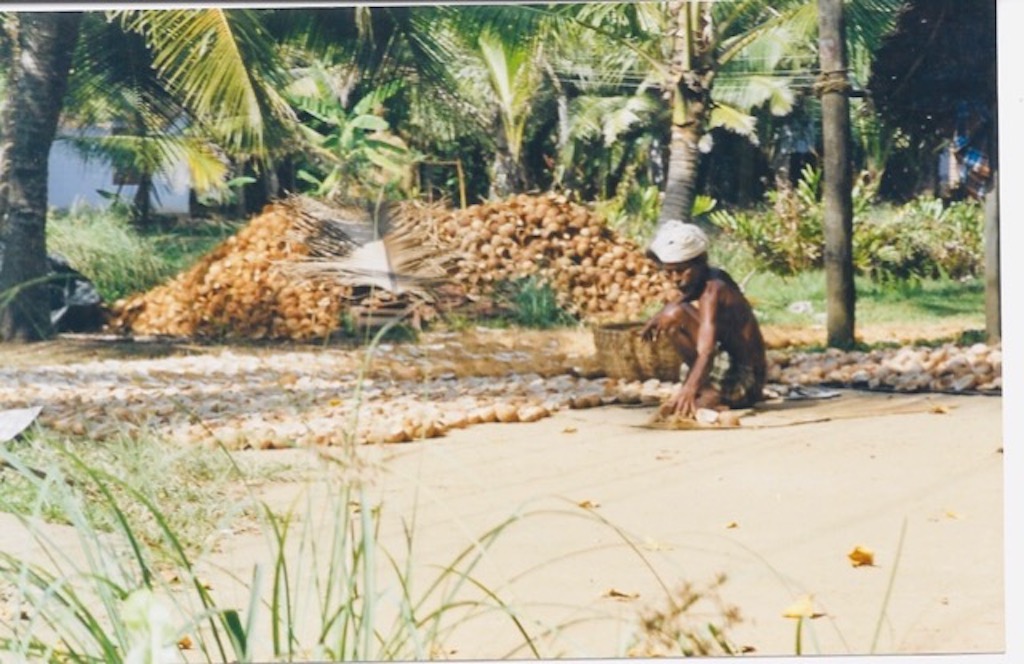
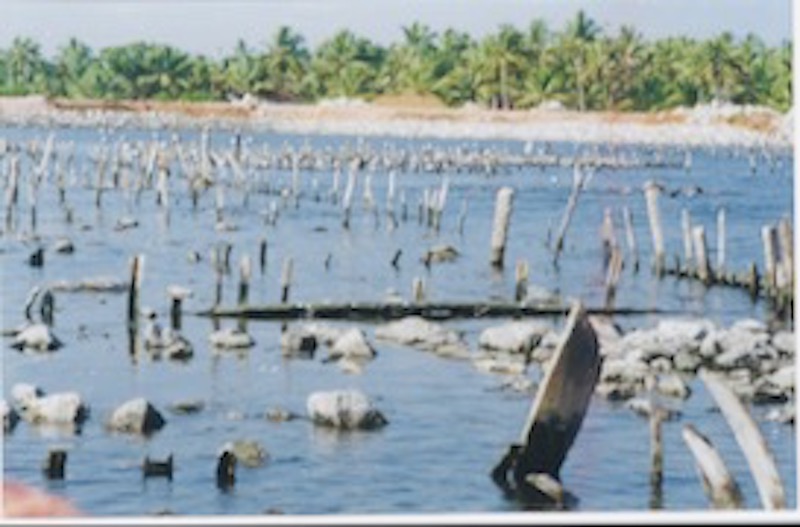
Our next treat was a brief stop to see Kerala’s primary coconut industry. Hundreds of coconuts are dehusked, shelled, and dried in heaps and heaps to be shipped for oil production. The shells are used for crafts. The husk is soaked in a nearby area of the lake for a year. To keep the husk down in the water, it was covered with plastic and weighed down with stones to keep the husk floating up to the top. Once it is thoroughly soaked, it is removed and brought out for women to make coir.
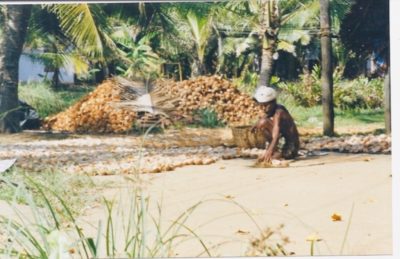
Dehusking and sorting different coconut parts
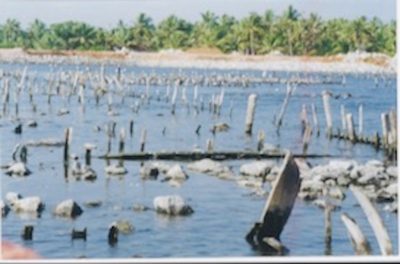
Soaking Coconut husk

On our way back from the backwater tour, they stopped to cut coconuts for coconut water. They were well prepared with the needed equipment. They even had straws. We had sweet, nutty coconut water followed by the soft creamy coconut, which they removed from the shells for us. It was a refreshing experience on a blazing hot day, but sadly an end to a fantastic trip through the canals. The bus brought us back to where Vijay, the taxi driver, was waiting for us. It was late by the time we got back. After some rest, we freshened up to go to the restaurant for dinner. Again there was fish for dinner with tomato curry, noodles, rice, and bread.

The next morning’s breakfast at the Shah international Hotel’s Noor Jahan Restaurant was an experience in itself. After a long wait, we were told to go back to the room to send a full breakfast. This time it came in a short time. We had breakfast and headed out for the ferry ride, which was to take us to Alleppy (now Alappuzha). This trip lasted for 8 hours. Once we got to Alleppy, we hired a houseboat with one bedroom for a 24-hour cruise around Alleppy.
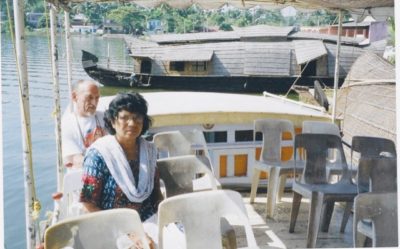
On a Ferry to Alleppy

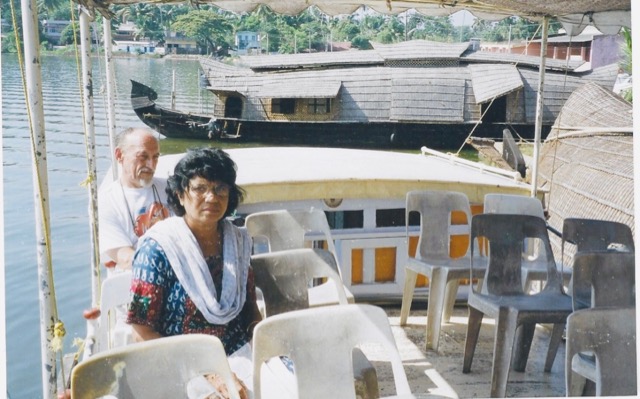
The boat had a comfortable bedroom with a mosquito net hanging in the center, tucked around the bed before sleeping. The covered bow area was set up with comfy chairs and a table in the middle with snacks and juices to welcome us. There was three crew member on the boat: a punter, a helper, and a chef, Jain. We relaxed with a cool breeze blowing, looking out on the vast expanse of the beautiful shimmering lake. Moving through the lake and then through the backwater canals of Alleppy gave us a fascinating glimpse of everyday life and the natural beauty surrounding us; there was unique energy around where people lived and worked.
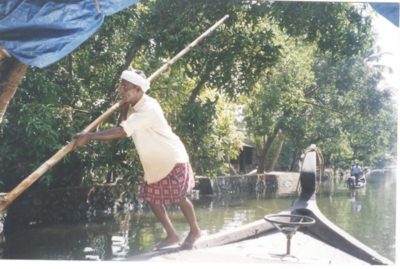
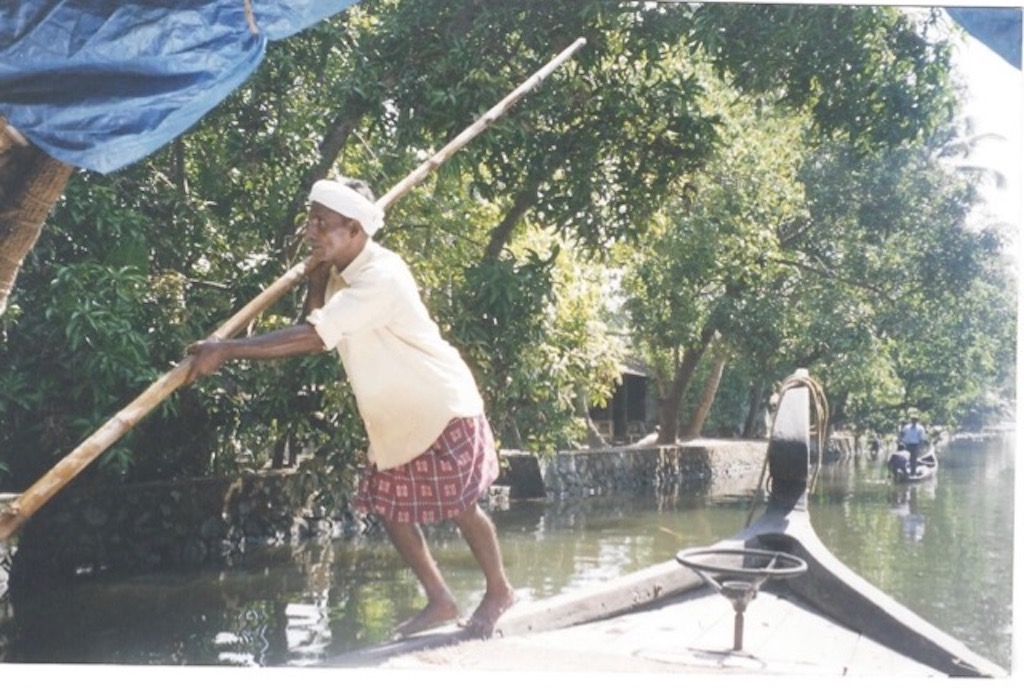
House boat Punter

The punter propelled the boat by pushing against the bottom with his pole, seemingly effortless for him while the helper was sitting, ready to be called on for any help anyone needed on the boat. The most surprising part was that there were many women on the lake in their canoes dressed in regular attire, Sarees. There were three women in one canoe carrying something, and it was hard to see what. Another woman was just in a canoe enjoying the water. One boat used for transportation was carrying clay and steel pots, and tourists used canoes to take pictures and enjoy their trip. As we moved along, we saw gaps created in the boundary wall, the top of which was lined with stone slabs. These gaps led to steps to the water for people to bring their laundry to wash. They used the stone slabs to beat their laundry items to get the stubborn dirt and stains off the clothes (no stain removers for them). It took me back in time to when this was our way of washing when we needed clean clothes when our dhobi (the guy who took a massive bundle of washing every week) was late bringing beautifully washed and ironed laundry for us to use. We had a good time cruising around. A view from the boat, while the sun was setting, was picture perfect. We didn’t see another houseboat for the entire 24 hours we cruised.
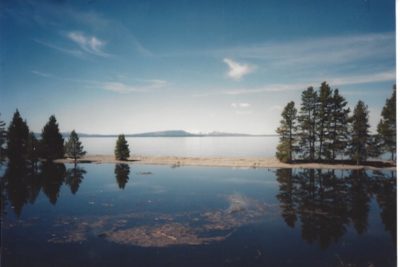
Sunset click after parking

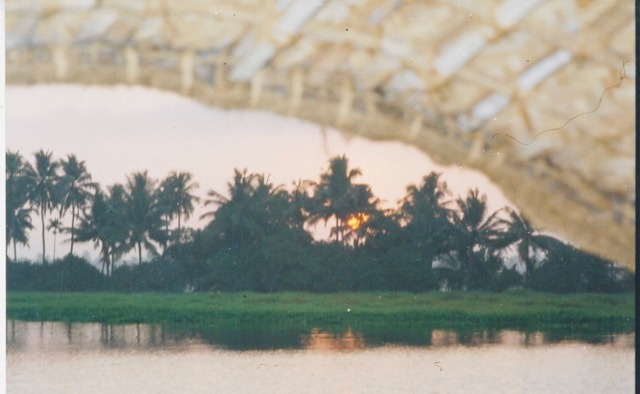
Jain, our chef, made a delicious dinner of dal, okra fried in coconut oil, curried carrots, fish curry, chapattis (Indian bread), and rice. Everything was done in coconut oil which I didn’t care for at first, but I wanted to eat authentic Keralan food, and it grew on me. It was not that late when we finished dinner and had a chance to admire the sunset sitting in the bow area.
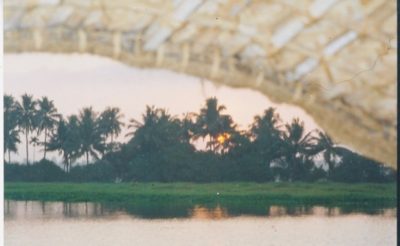
beautiful view from the boat

From where we could hear the people talking and kids playing way in the distance. There was an incredible view of the sun going down behind the coconut-rimmed lake. As the evening progressed, an invasion of mosquitoes and bugs came in full force; therefore, it seemed like a good idea to retire to the mosquito-proof bed.

The bed was comfortable, and the room had a nice breeze for a restful night’s sleep. We woke up fresh to a lovely, cool morning in a lazily rocking boat to a gentle breeze. They parked the ship to serve traditional Keralan breakfast with all its trappings was delicious. A hot pot of tea with milk and sugar served on the side was how we like our tea and enjoyed everything to our heart’s content.

After breakfast, we started our float back to Alleppy with the gentle punting of our captain with the sound of the gentle lapping of water on the side of the boat. Their people were fishing, and a woman was diving to catch fish with her bare hands. She had a bowl floating behind her which was attached to her body, again we knew from Jain, our chef, that she puts her catch in the bowl and, when filled, takes it back to sell on the shore. The most exciting part for me was that she was in her traditional dress, saree while on her fishing expedition.

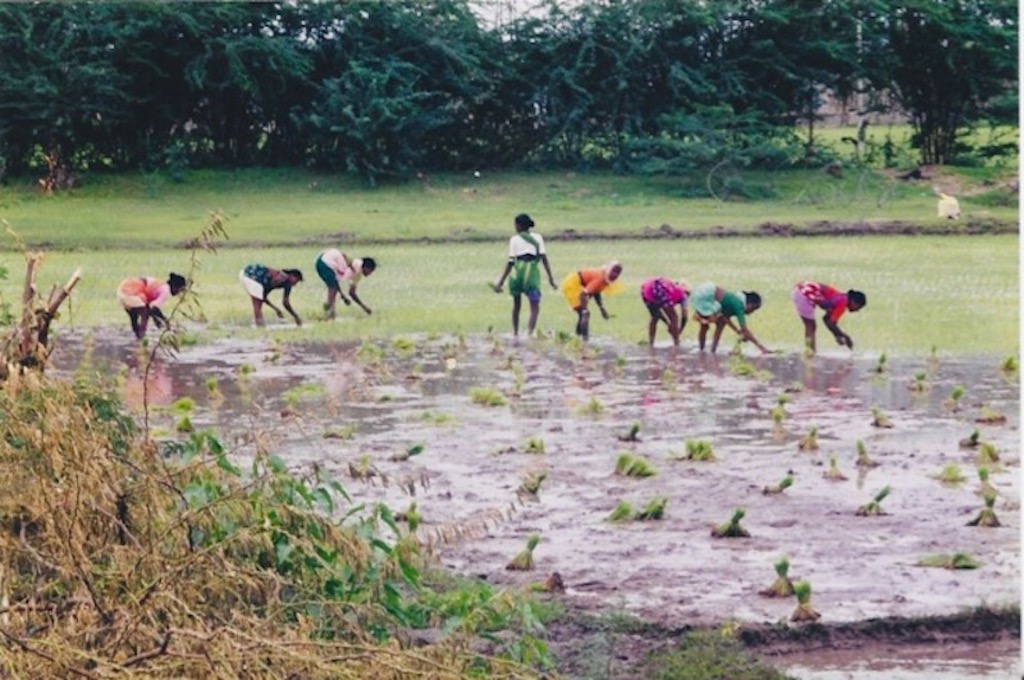
We also passed many rice fields where women pulled out the rice seedling from one area to transplant them to a prepared wetland. This method of growing rice needs less seed, and transplanting is an effective
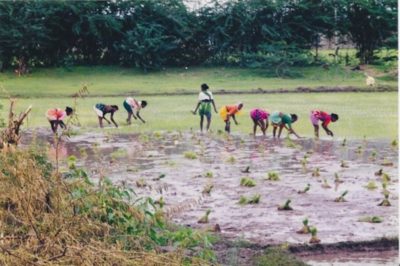
Women replanting rice saplings

method to control weeds. There is chirping and fluttering of the birds and quacking of the ducks while they waddle on peacefully and lazily, providing us with another level of pleasure.

Our last stop of the trip was Cochin. We took a taxi to Cochin (now Kochi)from Alleppy and booked into Hotel Sea Lord for two nights. A good room with A/C and TV made a comfortable stay. The following morning, after breakfast, I was on my regular pilgrimage to an Ayurvedic Massage at walking distance. One young kid escorted me there and back for an Rs.50/-tip.

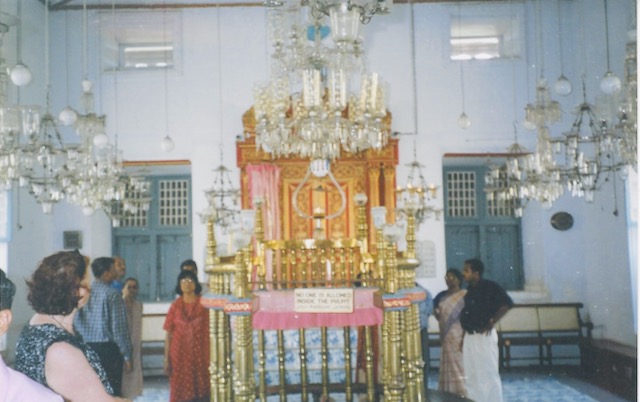
For the rest of our time in Cochin, we were busy sightseeing, shopping, eating, and resting. The oldest synagogue is located in Jew Town. It was built in 1557 but was destroyed by the Portuguese and rebuilt by Dutch.
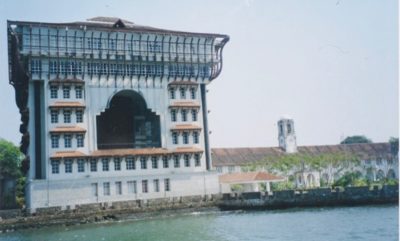
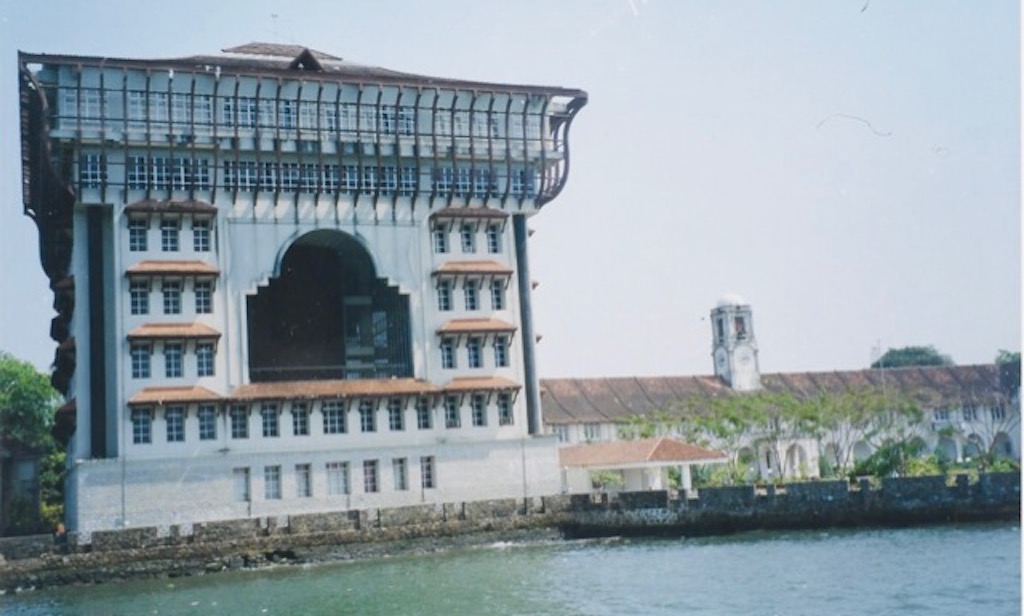
Port Cochin

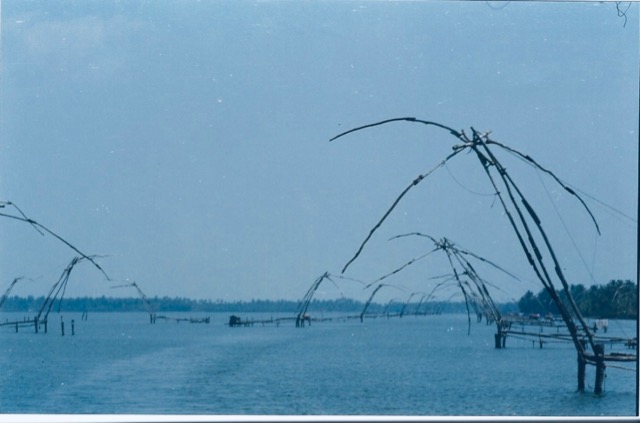
Even now, there are members of the synagogue who use it to worship on Saturday and Sunday. One other sight to behold is Chinese fishing nets which have become a tourist attraction. Legend has it that they were introduced to Cochin by a Chinese explorer and are in operation ever since. We came across several Chinses fishing nets alongside the coast. They are fixed 10 feet tall mechanical installations used for fishing that hold horizontal nets around 20m across. They are lowered and pulled up within a short time. The size of the catch varies and is
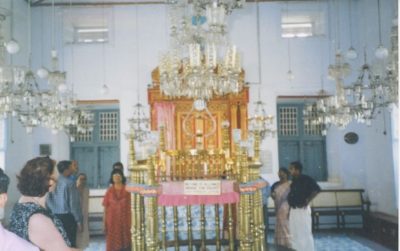
Jewish Synagogue

apparently, sold to the passers almost instantly.
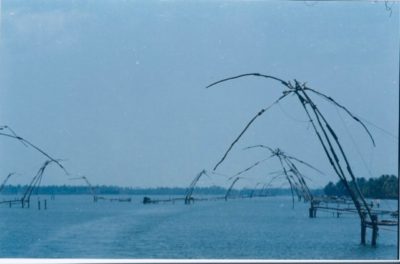
Chinese fishing nets

On our last day in Cochin, we did a lot of shopping. Walked around and found a mithai (Indian Sweets) store where we bought Keralan dates and nutballs. They were delicious, healthy, and easy to make with easily available ingredients. Our vacation in Kerala ended and we flew back from Cochin to Bangalore, to Hyderabad. We had a great vacation, but we still had a long trip ahead the following week when we were to fly back home to the US.

for the Dates and Nut Balls recipe Click here

Nagarjunakonda, A Trip to Remember

Nagarjuanakonda

This year in Hyderabad, we planned our customary trip to Nagarjunasagar with a difference that it was going to be a day trip. Due to time constraints and various other problems we couldn’t get away for more than a day. Therefore, we decided to book a couch tour with Telangana Tourism. These tours are available only on the weekends. Information  in the Telangana Tourism brochure, and also given by an office staff member included exactly what I was looking for: a visit to Nagarjunasagar dam, Ethipothala, and a boat trip to Nagarjunakonda. I was excited, but wanted to make sure before booking that it was correct information and we were going to be on the right tour. Further inquiry revealed that the Ethipothala was not part of it and the brochure we had was old. The reason given was that since Andhra and Telangana split, Ethipothala was removed from the tour because it is in Andhra State whereas our tour was in Telangana State.And our tour would only include Nagarjunasagar Dam, and Nagarjuna konda Island which houses a Bhuddist Museum. We  settled for what they were offering and booked the tour on Non A/C couch, with a tremor, for Saturday, January 26 for a much needed get away, at least, for one  day. We were not given assurance that the tour will go unless more people book. They needed at least 15 people and there were only 10 booked at that point. But later we got a call informing us that the tour was on as planned.
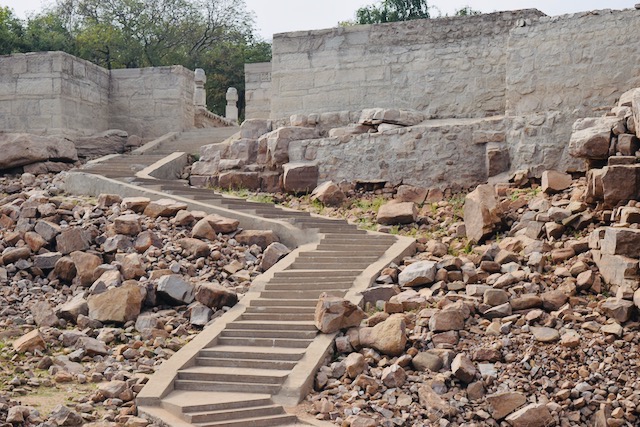
We left home at 7:30 in the morning by car with Maqsood and Shaheen, my brother and sister-in-law, to the designated pick up area from where the couch was to leave at 8:30. Everything went well, we left on time. The travel through the built-up city area was slow because of the traffic. After an hour’s drive we stopped at a local breakfast place and had south Indian breakfast for which they allotted 30 minutes but it was more than that before we left. We got our real start from there although the bus stopped for about 10-15 minutes for a comfort break. It took us a total of 4 hours to get to Nagarjunasagar where we stopped for lunch at Vijay Vijar Resort which overlooks the Dam. There was hot buffet lunch. Since nothing was mentioned about the lunch when we booked, we packed our lunch; therefore, decided to eat that. After lunch we decided to take some photos before we headed out for our next stop, Nagarjunakonda.Nagarjunakonda used to be a prosperous Bhuddhist town 1700 years ago. Now it is Island in the middle of Nagarjunasagar lake. A man-made lake emerging from the dam and is named after a Buddhist scholar Nagarjuna, who lived there in 2ndcentury AD.
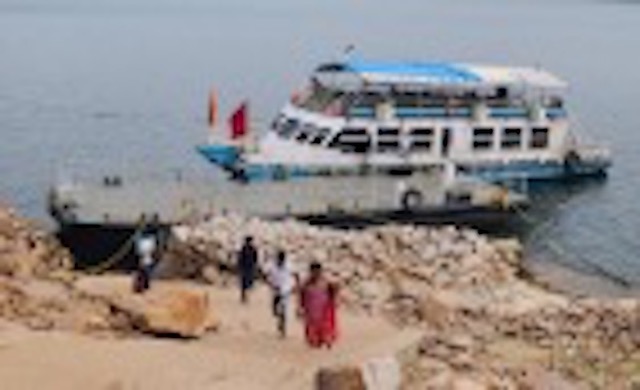
After lunch we headed out to the boat launch station,which was about 15 to 20 minutes’ drive from Vijay Vijar. There was a ticket booth with two windows from where the tickets were being issued; one for the boat ride and the other for the museum entrance. It cost Rs.130/head for the boat ride, and Rs.30/head for the museum. It was a beautiful area, overcast skies were not photo op. friendly but perfect for hanging out there enjoying the surrounding beauty. We were supposed to line up to buy the ticket but 200 people were milling in a crowd pushing and shoving each one with an aim to be the one to buy the tickets and be on board first to get the best seat. However, Feroz, the young man who came along to help us, managed to buy the tickets and we were told to head out toward the boat launch station which meant very long but beautiful walk. We could see a double decker boat approaching the shores of the reservoir to pick up the passengers.

On the way to the boat

When the boat actually anchored, the hell broke loose, people were ready to jump on board from wherever they were.  A man came out screaming at the unruly crowd to move far away to make room for people who were about to disembark before they would allow the waiting passengers to board.  People either didn’t understand because they didn’t speak Telugu, or showed total disregard to what they were asked to do. fortunately, those who were leaving the boat were not fazed by the unruliness of the crowd.

When the boarding started, no one enforced a Q system, or any organized system of boarding; therefore, several people were trying to get in at the same time through sheer muscle power. There was no trained staff to bring some kind of order, while that was going on.  Some of the older boys jumped over the rails and looked very happy with their escapade. But even in chaos there was progress and everyone was on board in surprisingly good time and settled down.

Path from the boat launch station to ferry and back

Many with good seats had a winning smile. Everyone in our group also found seats. And to me the idea of cruising on a large sizzling body of water is always a unique, magical, and even religious experience.  But as awesome as I feel under normal circumstances, I am equally terrified if the weather becomes threatening with rough waves which are whipped up by force of wind and rough water tossing  us around. But this was a beautiful, short cruise and I was excited that we were on the upper deck and that was enough as long as I could stand in a spot to take pictures. But even that turned out to be difficult because most of the young people lined up along the rails with no room to spare, and zero consideration for those other passengers who came on the cruise for the same purpose as they did.

In spite of the overcast skies and other difficulties I already mentioned, I managed to take some pictures of gorgeous views of the Krishna River, the Dam, and the approaching island.

Dropping point at the museium

It took us 50 minutes to get to the Island. We disembarked and walked to the museum which is 500 m from the dropping point. We got to the museum and checked out the collection of stone tools, relics, and carvings narrating the story of Buddha for half an hour of the time allotted to us by our tour operators. On the way back to the boat we reached an incredible looking tamarind tree around which a concrete bench was built. Because it was a cooler day. We were able to sit around the tree and had snacks and drinks which we bought from a stall right in the vicinity, If a hot day, we could have fried an egg on it.

Then we walked back leisurely to the boat and were among the first few passengers to return which meant we would be the ones with winning smiles for grabbing the best seat in the houseIt was not long before the boat was ready to move, and also the clouds were ready to lighten their weight. We saw a few drops and hoped soon skies will clear and sun will shine. Wrong! we didn’t know that the drizzle would turn into a deluge in matter of minutes. My prime seat from where I refuse to move -which is embarrassing looking back-became impossible to hold on to because the rain was coming with full fury.  Soon we realized that we were not just getting sprayed, but getting drenched not because of the open sides but we were standing on the covered upper deck which had a tattered removable top shelter. We were as good as on an open boat with rain pouring through the top.  There were altogether 200 passengers and I believe half of us were on the top. We all had to move to the lower deck causing a very dangerous situation worse, and seemed like it had all the element of disaster in the making. There were no life vests, and no staff, or very negligent staff whose total absence was deeply felt, at least, by us. I would say that the boat was not lake worthy, because the captain was driving the boat, in a heaviest downpour I have ever seen, without even windscreen vipers. Some passenger saw that someone was using a squeegee in place of vipers to clean the wind screen. For 50 minutes of the boat run, it was in danger of capsizing because of grossly uneven weight.distribution. Within 20 minutes from the start someone came and shouted everyone to move toward the front, because the back of the boat was getting heavy as everyone was coming down to the lower deck to escape from rain. Then again after another few minutes someone came again asking people to move to the right side of the boat. The crowd was so lackadaisical that they had to be coaxed by some other passenger into moving to the other side.

I took strength from the attitude of people who were being helpful on the boat. I felt that they must be used to these type of situations and must do this more often without ever having any serious problem. For them it was a Republic day outing. Women were dressed up to the hilt as if they were going to a wedding, or to a religious festival which they celebrate with utmost fervor. And the  kids thought it was the best fun time ever as they pushed through the crowd to run back forth pulling and coaxing their parents to go with them. I guess if you want to tread the footsteps of locals in a downpour, go on the boat to Nagarjuna Konda. It is where the families come to let their children play, and fun aficionados come for cruise and sit with a rare abandon come what may.


Fascinating trips to Ethipothala


Nagarjunasagar trip first trip

We discovered Ethipothala sometimes in the 90s. It is a great option for a day trip or even better for a weekend. This beautiful spot had a serene, calming and inviting ambience. There was a very basic but very well maintained large guest house  with a large area in the front with two bedrooms, and a bathroom. Furniture was bare minimum. But we were prepared for the fun. we carried our bedding, cooked food,  snacks and munchies to hold us over if we needed something for  an overnight stay with  ten close family members.

The place was clean and there was a skeleton staff to take care of the needs of the guests. They were friendly respectful, loving and kind. In one of the corner of the hall facing the Ethipothala falls was a tea stall where you could buy snacks and tea.

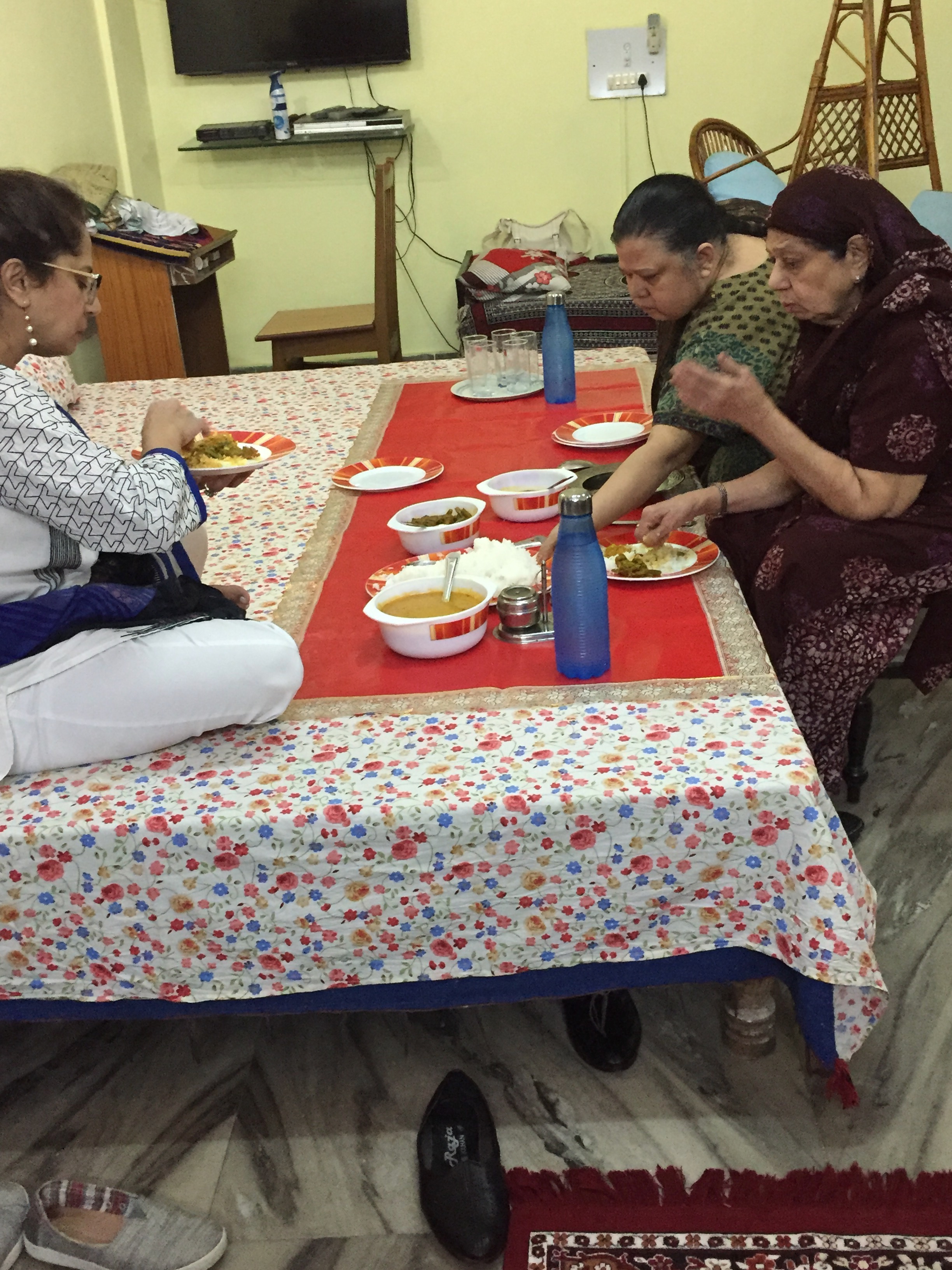
All the men, spread he Shatharangies (heavy Indian style area rugs) along the walls and covered them with clean bedsheet to use it as a sitting  area instead of chairs, sofas etc. which were very few and far between. since we were all hungry after traveling all morning we spread a dusterkawn (floor tablecloth), very similar the one in this picture,

Dustar kawn

and served the food  which we brought with us in stainless steel tiffins. We also brought  cutlery, crockery, and large container of fresh drinking water with us. We had a delicious, and sumptuous lunch to everyones full satisfaction. After cleaning up, we rested for sometime. then refreshed and set out to explore Ethipothala.  We went all the way up trekking towards the foot of the  flow of water. We rested in-between by sitting on the rocks  with the falls in the backdrop, lost in thoughts enjoying nature and even praying before we continued our walk. As we walked someone  came to warn us saying that we are in a dangerous area, which apparently is a breeding ground for the alligators. After their warning we walked back  still getting the  panoramic views of the falls and  taking  some beautiful pictures. We were really lucky to have that amazing opportunity of walking so close to the falls, which is closed to the public now because of the dangers involved.

The day was spent walking around the area which was very quiet, peaceful and beautiful. There are lot of temples around when we walked down towards the river on a cool shady walk. We sat under the trees and talked and enjoyed nature which takes your breath away. when we got back it was rather late and was getting dark. Some of our group members were playing cards and others were sleeping etc.  We organized the dinner by getting the guest house kitchen to make us some fresh rotis (Indian bread), and chana( chickpeas curry) etc. which we combined with our left over food and had a great dinner.

Everyone settled down to whatever they felt like doing, while the men continued to play the cards. Somehow the word got around about the card playing and the police came suspecting that there was gambling going on. Since gambling was not allowed, they confiscated the cards. Everyone one got very upset at their assumption and unfair action, Jaffer went to the police station and  was able to recover the cards as well as permission to continue with their card game.

Next day we got up to a glorious morning in my most favorite spot in the world. We were up early and walked down to the river from the resort. Since the breakfast was not going to start until  8 Am, we decided to get our morning walk until then. We went for a walk which turned out kind of  treacherous and tiring  because it involved walking down on steps plus  walk on rock strewn river bed where you had to watch your steps. We could still see the full flow of the  beautiful falls  displaying their thunderous  glory for everyones delight.

It was most exhilarating feeling to get back to the guest house cafeteria for a  traditional south Indian breakfast, and also steaming hot tea to your hearts content. The day ahead was  cool and fun to exploring and enjoying the beautiful area.  Later that evening  we drove back home which was again like an adventure on a dark, scary road, but altogether the experience of the whole trip was magical.


Nagarjunasagar

NAGARJUANASAGAR: Weekend Getaway from the City


Nagarjunasagar is a man-made lake 149 km southeast of Hyderabad city. When visiting Hyderabad,  Nagarjunasagar is our destination for a quiet weekend or short visit to get away from the city. It is a 3½ hour drive through Ibrahimpatnam. It is a very peaceful and serene spot for relaxing for a couple of days. The lake and the dam are named after a Buddhist philosopher of second century A.D.

On one of our visits, we arrived in Nagarjunasagar at 2 pm. Luckily got accommodation in one of the best resort known as vijay vijar located at a beautiful location. It is a huge, beautifully built building which sits on a high hill side. There are large suites which were originally built for government officials during the construction period. Apparently, even now most of the rooms are usually occupied by visitors on official capacity. Grounds of the resort are planned with great care. Well maintained lawns are lined with low hedges which are beautiful. And a wide variety of plants and shrubs are scattered around which are aesthetically very pleasing. The resort looks out on to the dam.

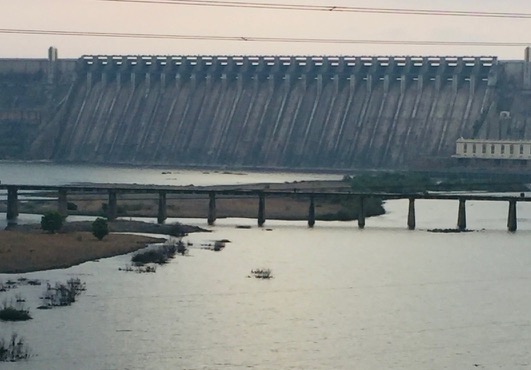
We had our lunch at the resort restaurant where service and food was mediocre. When we went on a drive, we realized that the entire structure is not only magnificent, but incredible to believe that the ingenuity of man and the hard labor and skill that went into achieving this miraculous result. We went around from the upper road to the lower road which was necessary to see all the earth dams.There is also a broken bridge which was built to divert traffic but it broke down.  There are small villages called Vijaypuri south and Vijaypuri north. Vijaypuri north is bigger with lot more stores to supply various merchandise to the local community.

Broken Bridge in Nagrjuna Sagar’

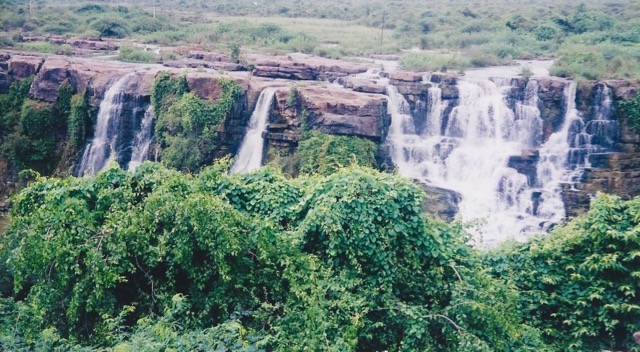
We wanted to go to Nagarjuna Konda which we thought was a town nearby, but were told that it is an island which can only be reached by a boat. Apparently, it is an area where an archeological dig revealed an ancient town. Further inquiry into how to get there, revealed that at 8: am a staff boat will take us there. Therefore, we planned our visit for the next day. In the morning we ordered a lunch to be packed for us to take with us on the trip. They did that while we got ready and had breakfast. Everything went according to plan and we left to go on the boat at 8: am. On arrival at the docks we were told that the trip was cancelled because of strong winds with a promise that we could still go by the afternoon boat at 1:30 pm, if the winds die down. Now we had 4 hours to spare. Tourist information sighted some options for us during the waiting time in the area. One of the options were Ethipothala   falls, 70 feet river cascade on the Chandravanka river, which is a tributary of Krishna. These falls are made with a combination of river and mountain water and are active throughout the year. During heavy rains they are huge and thunderous but their size and force subsides during dry season.

Ethipothala Falls

We went all the way up tracking the flow of water until someone came to warn us about the alligators in the area. We walked back to the guest house which sits atop a hill and across from it is seen a gorge and river Krishna flows with full fury down in the valley. There are caves around the area where there are lot of temples. These caves run several miles where maharishis live. We spent some time enjoying the beautiful surroundings before we got back hoping to get the boat. We ate our lunch which we brought with us. We also bought dosas with raw onion chopped. It was a good lunch. After all that, as we suspected, the boat trip was cancelled again because the winds were high.

It was only 1:15 pm, so we decided to go to Anapu, a tiny place tucked between the mountains and open on one side of Nagarjuna Sagar. There they have reconstituted a whole village with ruins, stadium, and a monastery.

During the construction of Nagarjunasagar Dam archealogists dug up a Bhddhist site which was going to be flooded by the lake waters. They decided to move it brick by brick to a location in Anapu. Now it is a full-fledged tourist site. There is no charge for visiting. It is neither commercialized nor signposted. To find it one has to ask around. We took one little boy from a surrounding village to show us where it was.

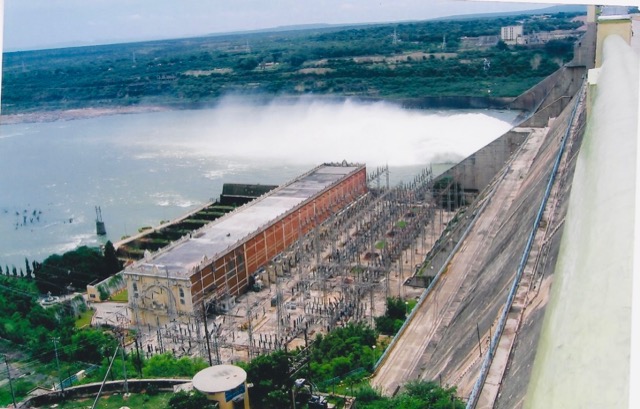
Then we headed to view point where we got information about the dam and got a good look at the dam from a higher point. While there we were asked to visit the Power plant  which supplies electricity for a large part of the State.

Power Plant in Nagarjunasagar

And  8 huge turbines operate to send three phases of electric current through transformers and to huge cables which take it to incredible distances to make life easy for everyone. These turbines were designed by Japanese who also manufactured and exported them. Each one of these weigh 61,400 Kg. An incredible amount of water is pumped into it to turn those monstrous turbines. Apparently they go full circle 158 times per minute making immense amount of electric charge. The building itself is a technological wonder and a monument to efficiency.

Through our travel in India we see great accomplishments, amazing feats in construction and engineering, miraculous archeological discoveries and management and preservation of all that is found.  All made possible with combined effort of rich and poor; educated and uneducated, and  yet there is such a significant problem of poverty, and human suffering which has not been conquered even to a level of some satisfaction, which is a constant thorn under my skin. Then again dualities seem to exist quite comfortably in India.

Trip to Costa Rica, April 15, 1995

Actually trip to Costa Rica started really well. On April 15, 1995, our scheduled  United Airlines flight departed at 12:30 pm. We arrived at San Jose at 8: am. After a six-hour layover at Las Angeles.  But the problem we encountered was that our luggage did not travel with us, we were told that it would, probably, get there by next morning flight. Obviously, we had to manage without all the things we needed until then. And we could not go to Arenal as planned. Our plan was for a brief stay in San Jose on our way to Arenal. We rented a car at the airport and stayed at the Garden Court Hotel in San Jose. 

After breakfast on April 17, we took a day trip to Heredia, Alajuela, Grecia, and Sarchi. It took us a long time to find Heridia where we bought 2 T-shirts for change of clothes.

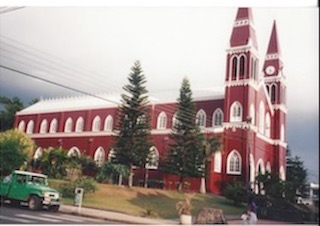
From Heredia we went to Grecia, and arrived at the red metal church with ginger bread trimming which was part of our itinerary.

Red metal church, Heridia, Costa Rica

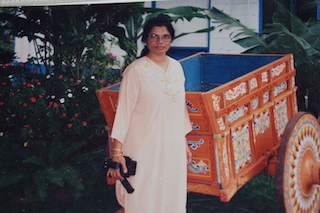
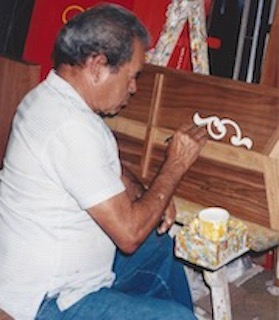
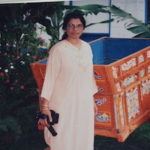
Then we visited Colonial church, the old fort, and then were headed for Sarchi, the artisan town. We went to two stores where they had handicrafts, useful decorative items made by hand with simple tools. One of the stores had hand painted ox carts displayed outside. The work was on going in the back part of the stores. We were interested in seeing the process. They were very hospitable and invited me to take the video.

Artisan in Sarchi

The store across the street had hammocks, and lot of other handicraft. The most interesting part of Sarchi was its church built between 1950 to 1958 painted pink with aquamarine trim. From there we were headed  back to San Jose. After some rest and relaxation, we went for our dinner in El Pueblo to a restaurant called La Covina de la Leña. The food was very good- especially the appetizers.

Next morning  for breakfast a display of fresh fruit along with a variety of baked items was laid out. Papaya and coffee was great for me. After breakfast we got ready and went to Irazu volcano  to get there before the clouds closed in.

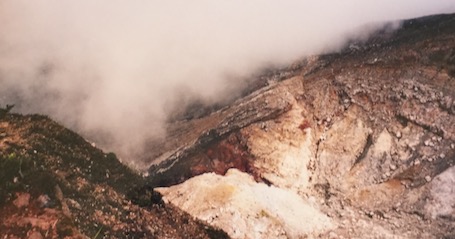
We could have taken the car up very close to the top, but we decided to walk which was a mistake because it took a long time to walk up and the clouds did close in as we had feared, preventing us from seeing anything as you can see in the image below.

Volcano enveloped in cloud

We hung around hoping for it to clear up but to no avail. On the way down we stopped at a restaurant called Linda Vista at 10, 064 feet above the sea level, apparently, highest location in Central America. It was interesting to see that they papered their walls with the visiting card given to them by the visitors. Also money bills and items of possession were hanging from the ropes all over the bars and restaurant area. We also gave our visiting card.

From there we went to Cartago and visited the Bascilica de Nuestra Señora de Los Angeles. They built a shrine for the black virgin called Nigrita. There are hundereds of silver images on the walls, which were left as thanks to the Nigrita. Women were touching the stone beneath the statue and one of them was wiping it with her scarf for blessings, perhaps, to carry it for someone in her family. We went across the street and ate our lunch. I had a salad that came in a big plate of palmettos and chayote etc. Got directions to go to paraiso and then on to Orosi. When we got to Orosi, the road was flooded due to heavy rain. We stopped the car and waited for 30 minutes. Got directions and headed back towards Ujarra. Found a ‘Mirador’, a look out point.

Flooded road in Orosi

Got some video of humming birds and went back toward Orosi and could not proceed due to flooded roads. We decided to turn back and come back to the hotel. For dinner we ordered Domino pizza with three toppings for $9/-.

On April 19 we checked out to head toward Teleran. Stopped at the airport and picked up the $300/-vouchers they gave for the inconvenience they caused by delaying our lugguage. Drove all the way to Cañas only to be stopped by a policeman to give us a ticket. When I explained to him the situation in Spanish, he was happy and very surprised that I spoke Spanish he decided to waved the ticket. After that we missed the road, roamed around before reaching hotel named Bahia Azul. It was a rundown accommodation right in the middle of breathtakingly beautiful surrounding.

Our next stop was a small town called La Fortuna, the east of which the Arenal volcano is located. we came to Tilaran around lunch time, and checked in at Hotel Bahia Azul. When we went to their restaurant to get some lunch, we met a gentleman called George who was also visiting Costa Rica. He had rented a four-wheeler and planned to go to La Fortuna that very afternoon. We had already heard that the road to get to la Fortuna was not passable in our Nissan, and we decided to cancel the plan of going there. During our conversation with George, we mentioned the problem and he offered to take us and was very happy that he did not have to do it all alone.  Although it was going to be a rainy adventure, we made a start only to realize that the road was not just bad, but in places big sections of the road had fallen into the gorge. But some temporary bridges were built. We decided to undertake this terror filled journey with George. It was like being on a thrill ride in an amusement park with a difference that in an amusement park, at least, odds are in favor of coming back down safe whereas on this trip odd were reversed. In spite of crater size potholes, and near misses on the improvised bridges, we made it and  were happy about the adventure and challenge we took on.

When the road improved a bit, we continue on to our planned destination. We passed through a rain forest and were headed to the only active volcano in Costa Rica. It was supposed to be spewing fire almost all the time. We could see a huge monstrosity way in the distance but no fire activity was visible. The clouds, the blackest I have ever seen, enveloped the whole area, and nothing was visible. We turned back at this point and started to look for a gas station which we found. Then we stopped at a watering hole for a drink. It was a mom and pop operation. While father and son were working the bar, the women were taking care of the meals etc. behind the scenes.

This building had a tin roof and you could hear the rain. It was pelting down for a long time. After waiting a while, we asked the person behind the bar if it always rained as hard and for so long, he told that it was only a drizzle and sounded like hard rain because of the tin roof.  Relieved that we were not going to be drenched on our way to the car, we left without eating because we hoped to find a good restaurant on the way back. There were none to be found. After returning to the hotel, we freshened up to go eat at the hotel restaurant. They were almost closing and there was nothing left for them to serve us.  However, they were very obliging and prepared a meal for the three of us. 

Mornings were really beautiful and best time to enjoy nature.  I decided to take a video of the scenic beauty around the hotel. A cup of coffee sounded like the best idea, but at 6 am?. When I went in to the restaurant, there was no activity except one young man was cleaning and setting up for breakfast which was going to be at 7:30. And the I asked him about the possibility of getting a cup of coffee. He informed me that they don’t serve breakfast until later, but he was going to make  two cups for me to take to the room. We had our coffee in the room.  After getting ready we went for breakfast at 8: am and checked out of Bahia Azul around 9: am to go to Puntarenas, where we stayed at the hotel Tioga. Hotel Tioga was located right on the beach lined with palm trees.

Putanesca, Costa Rica

It was very relaxing atmosphere added to which was the good, friendly service. We found a really good restaurant called Aloha right next door where we had salada de palmitos, and caramel custard for lunch. We went back there for dinner and had arroz verde con camarones fritos (green rice with fried shrimps) green because it had lots of freshly chopped cilantro. It was delicious. They also call it Gallo Pinto. For recipe click on image below.

On the morning of April 21, I got up super early and was hungry but knew breakfast would not be served until  7:30.  I took some mangoes we bought to the kitchen to see someone was around to give me a knife or cut them for me. Luckily a  lady who was cleaning agreed to cut the mangoes because she said she was not allowed to lend anything from the kitchen to anyone. We were happy to eat mangoes until we could get our breakfast.  Breakfast they served fried eggs, toast, and coffee. After breakfast was finished we set out to visit Manual Antonio National Park at Quepo. The drive from Jaco to Quepo was agony because the road had huge potholes. I don’t know how we did not have a burst tire or some accident. However, we got to the National park. When we arrived a 9-year-old boy agreed to take care of the car, and there was a guide who demanded 700 Colónes, local currency, to take us around. But after the amount was agreed upon he changed his mind and said that he wanted that amount per person. We dropped him and went around ourselves.

From the park we went for a snack of ceviche de camarones, which turned out to be a disaster for me because of my seafood allergy I had severe stomach ache. On the way we stopped at yuroguan restaurant where food was good but I ate but agonizingly because of my bad stomach.  For dinner we ate a sandwich and mango and went to bed.

On the morning of April 22 we got breakfast and went to volcano Poás. We got there at 8:30 am only to be disappointed again because it was raining and we could see nothing.

 We got back to the hotel to relax and cleaned up to go to dinner. We took a taxi which dropped us in front of the restaurant door, and later we found it to be closed. We walked around and went into Hotel Del Rey to use their bathroom. As I was standing there I saw the news about Oklahoma bombing. After some more walking and looking for something to eat, we ended up eating MacDonald before going back to the hotel.

Next morning we got up and after breakfast went back to Poás volcano one more time to try our luck. The day had started nice and bright. It took us around 45 minutes to get there.

Stunningly close to Volcano

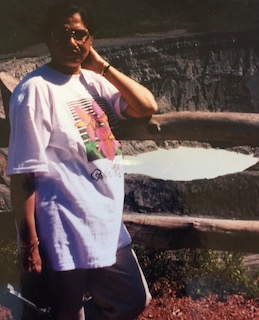
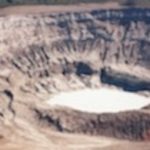
We took our car and parked. The view was incredible. Clouds were in the distance but we could see that they were moving, and the movement was brisk, and certain. That beautiful volcano was going to be covered in a very short time. We were disappointed but happy and proud that we triumphed in capturing nature’s most powerful phenomenon from a closest possible distance. It was as if we could reach out and touch it.

This was followed by a visit to Sarapiqui River which is in San Jose, capital of Costa Rica and was declared a national park area for saving the wild life, which was threatened with extinction. It is a long, beautiful river, which winds its way through the forest. The river was inviting. Everyone stood around enjoying the relaxed atmosphere. Various sized boats bobbing in the calm water rippling with small, gentle waves was alluring. There were dueños (owners) of the boats, and there were those hopefuls who worked for boat owners expected to make a few Colónes by actually by taking people out on the boat for the river tour.

We were expecting to pay a reasonable amount for a tour on one of the boats, but they were looking for a bigger profit.  Amounts they were charging varied according to who they were dealing with. For tourist the price was higher and they quoted in dollars, but did not want dollar bills, they wanted local money exchange which put the price up substantially. One man offered a tour at 200 Colónes which we accepted and went to park the car properly and take care of other necessities  When returned there was a commotion with a lot of men encircling the guy who was to take us on the tour. They were yelling at him for doing the tour for such a low price that it would bring down the price for all of them. Two or three other people tried to take us with no success because the price offered was low for everyone else. Eventually we were approached by someone who owned a boat (dueño) and he sent us with Alberto who was experienced.  Alberto looked happy and  was oozing with confidence. There was a glint of excitement in his dark eyes. His short, compact body seemed full of energy. He wore shorts and a shirt almost tightly fitted with a baseball cap which seemed like an extension of his head. One couldn’t imagine him ever being without it. He gestured us to follow him to his big boat  with a canopy. When we embarked we both had a distinctly different reaction. Mine was certainly a sigh of relief on seeing the canopy because heavy rain laden black clouds were looming low threatening a heavy downpour, while Jaffer found it disappointing because he thought it would limit our field of vision.

We started our tour along the river and saw tropical forest, obviously, teeming with a huge diversity of life. On one hand we saw parasite vines wrapped around the tree looking as though they were created by an artisan. These vines penetrated their roots into their hosts to extract nutrients for their own survival without compunction. On the other hand, there were huge trees uprooted and lying on the ground. They were not dead but alive by sending roots into the ground and extract nutrients from the earth for their survival.

While we were on the boat, tropical rain came down in a torrent and displayed the most  beautiful sight the nature could ever offer. As far as the eye could see there was this orchestral performance of the rain with its music and dance on the surface of the river. Rain  was so heavy that it was scary. We needn’t have worried. The curtain of rain lifted and clouds moved away giving way to clear skies and some sun.

All the birds and the animals were in hiding during the rain. When this display of rain stopped, all the forest started to come alive.Alberto knew how to spot the birds and all kinds of creatures along the river as we cruised. We could hear the birds but could not see them because they avoid being seen by anyone. But he could point out sloths, alligators, monkeys, birds, and kingfishers.

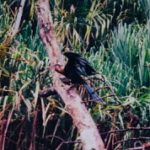
Birds started to fly from branch to branch. One of the bird with its huge feathers and long beak did a dance as if performing for us, while the in-flight kingfisher dived into the river to get his fish meal. As Alberto took the boat near the shore, we saw crocodiles. One of them was sitting with its head on the branch to spy on the river and its activities. The other one lay calmly along the side of the river enjoying the peace. When the boat chugged quietly and slowly as close as possible, it continued sleeping without a worry in the world.  It seemed as if even the animals were aware of the safety provided because their home was a national park.

Further down a sloth was hanging from a branch upside down in its typical manner. Sloth with its heavy furry body supported by big pawed, furry legs which clawed on to the branch, move slowly from branch to branch looking for food while her young follow behind closely.

And few yards from there a group of monkeys were up in the trees hardly visible they jumped from tree to tree. The whole forest was full of animals but they were skillful at camouflaging and hiding from humans. It would have been difficult to see much without Alberto’s trained eyes which spotted them and pointed them out for us to see. Because of gloomy, rainy weather photos did not come as I would have liked to share.