
Jerusalem Old City Tour
Jerusalem Old City Tour
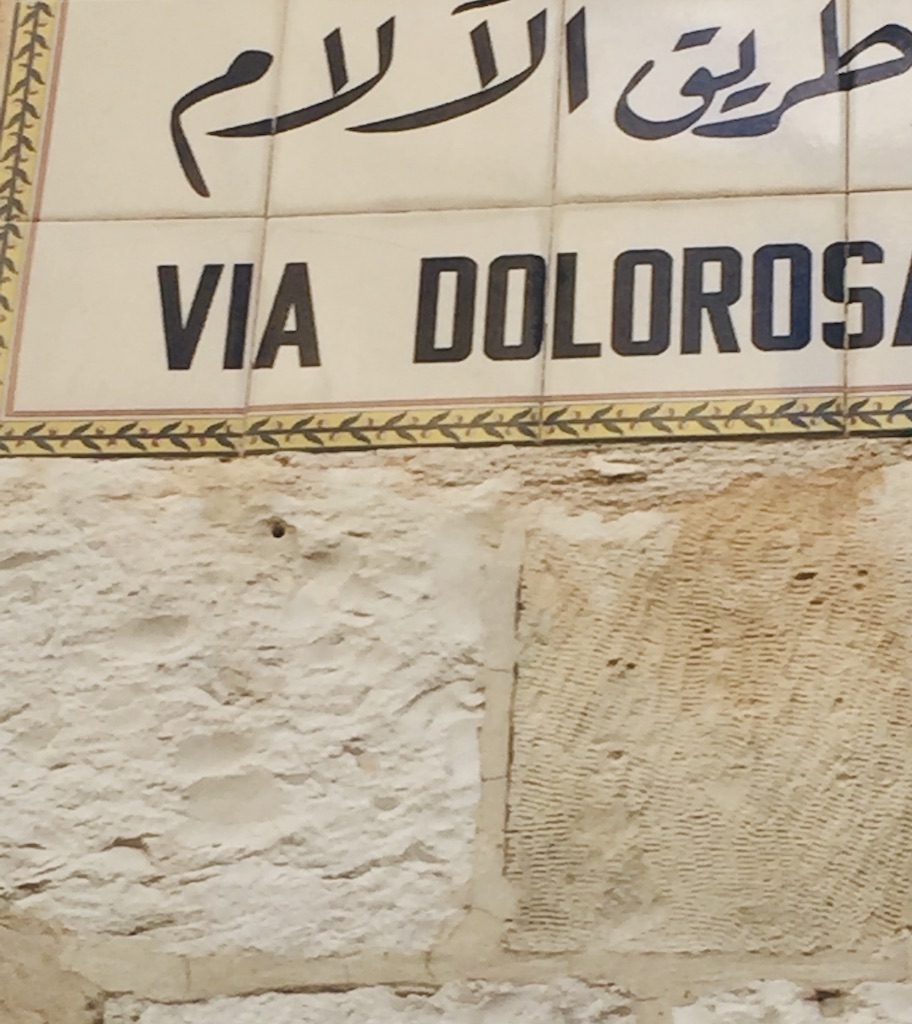
The following day we had an early start and began our walking tour of Old Walled Jerusalem. We walked on Via Dolorosa (Path of Pain), believed to be the path that Jesus walked on the way to his crucifixion. Although we left early to beat the crowds of other tour groups, there was a crowd all the way to the Church of the Holy Sepulchre.


We continued our walk through the narrow alleys and souks (markets) to visit the Western Wall (wailing Wall), a major Jewish sacred site for centuries. It is an open-air plaza that, apparently, holds about 60 thousand people.

Even today, hundreds of people visit the Western (Wailing) wall. But during the Jewish religious holidays, up to 100 thousand Jews visit it each day. One popular devotional practice at this site is stuffing prayer notes in the cracks of the wall’s stones. We saw notes stuffed in the cracks of the wall as people were doing it. The rationale behind placing notes in the wall has been traced to an idea that all prayers ascend to Heaven through the Temple Mount of which Western Wall is the boundary, as is seen clearly in the photo below.


We continued to Mount Zion and arrived at the Gate of Zion Temple.

We went in to visit the traditional tomb of King David, which is on the ground floor, and the Room of the Last supper, which is on the floor above where the Last Supper took place. Presently, the Room of the Last Supper, also called Cenacle, is considered one of the holiest sites sacred to Christians. Jews hold the ground floor Tomb of David sacred.
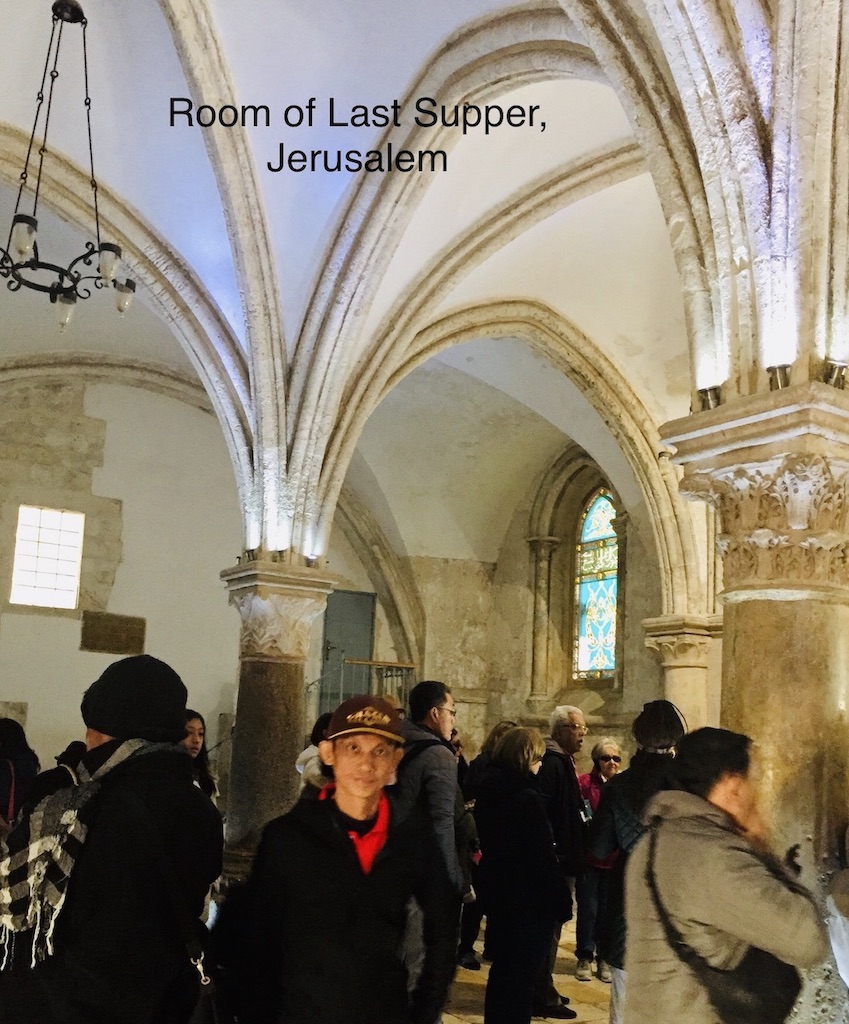
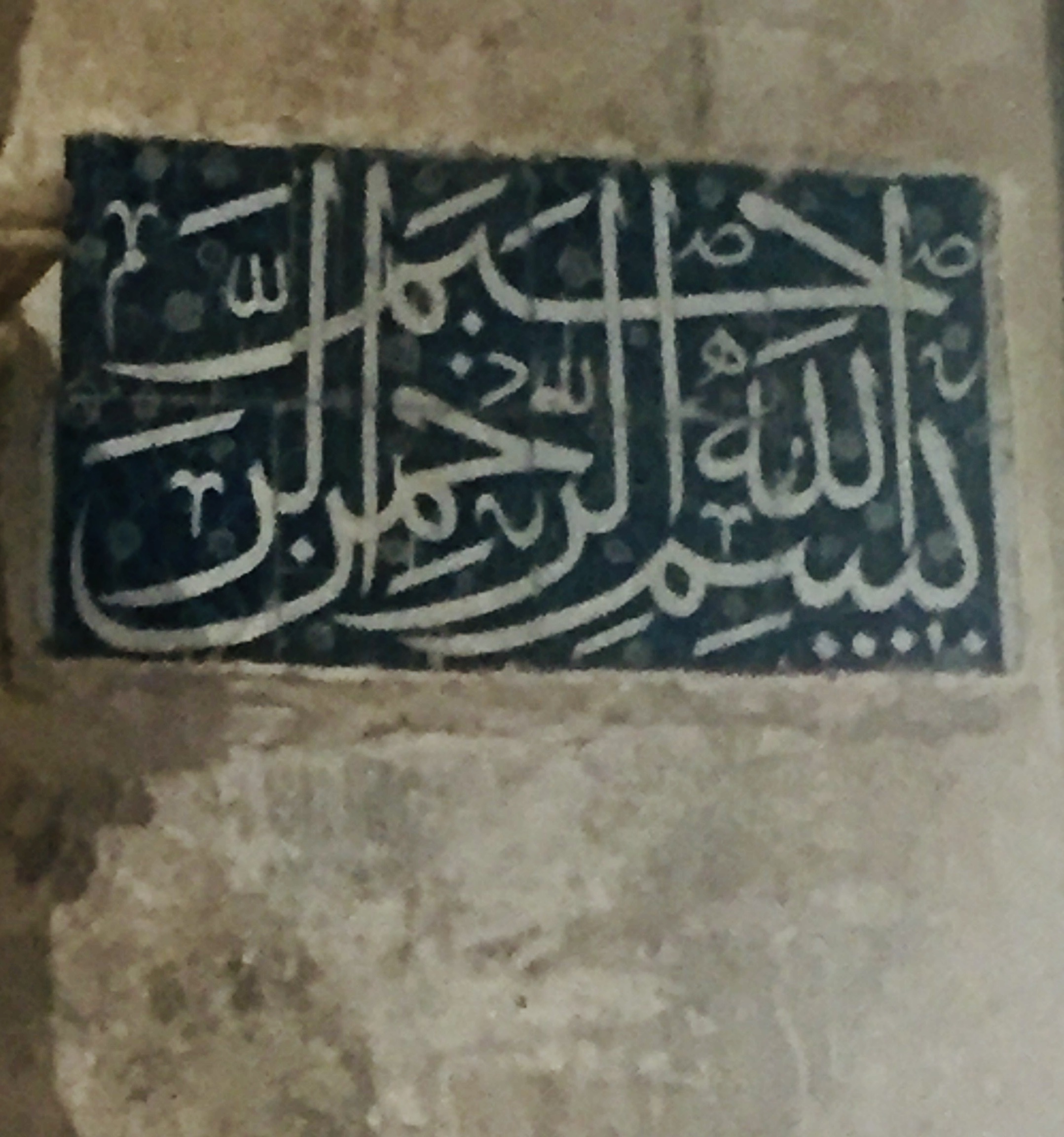
Evidently, when the Ottomans arrived in the 16th century, they converted the Room of Last Supper into a mosque. It has a Muslim prayer niche, a stained glass window with Quranic Verse, and another wall art with an Arabic verse. It is intriguing to see layers of three religions, Jewish, Christianity, and Islam, not just in Jerusalem but everywhere you travel in the Middle East.

Arabic verse on the wall of Room of Last Supper 
Stainless window in Room of Last Supper
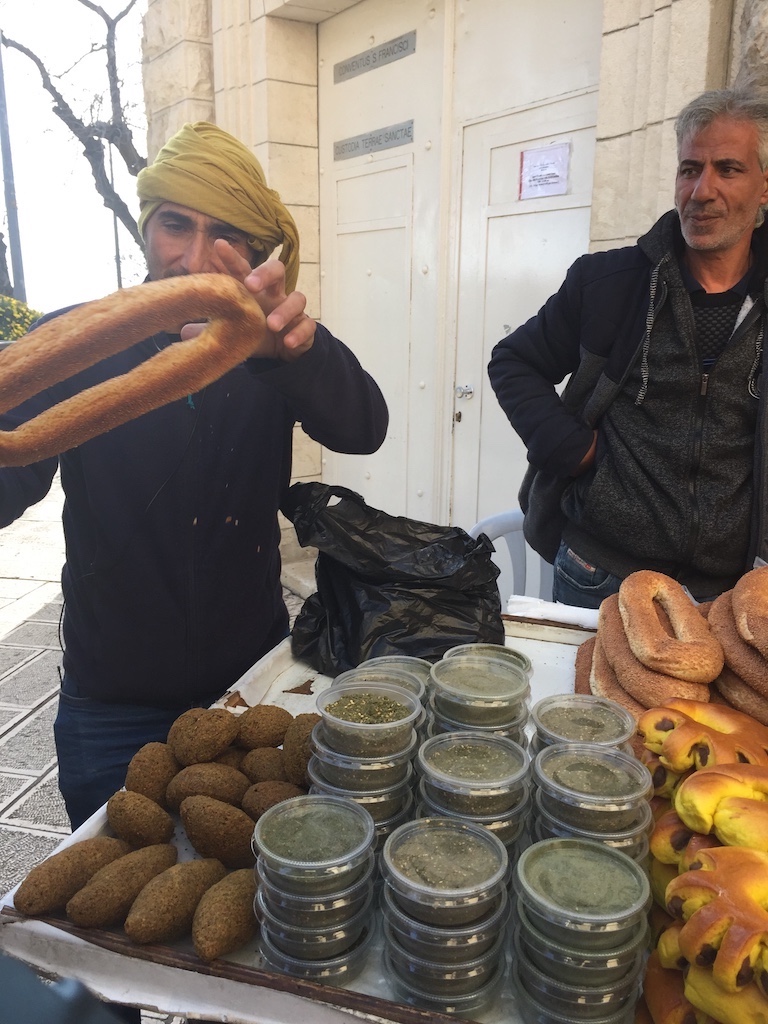
As we exited the Zion Temple, we were greeted with the aroma of freshly baked bread, Kibbe, and sauces to go with. Tal, our tour guide to the left, helped us with this welcome snack to hold us over before we got to the hotel.
Click here for Tel Aviv.
Click here for Tel Aviv.