
Category: Thumbnails

Train Ride from Cusco to Puno, Peru

Train Ride from Cusco to Puno

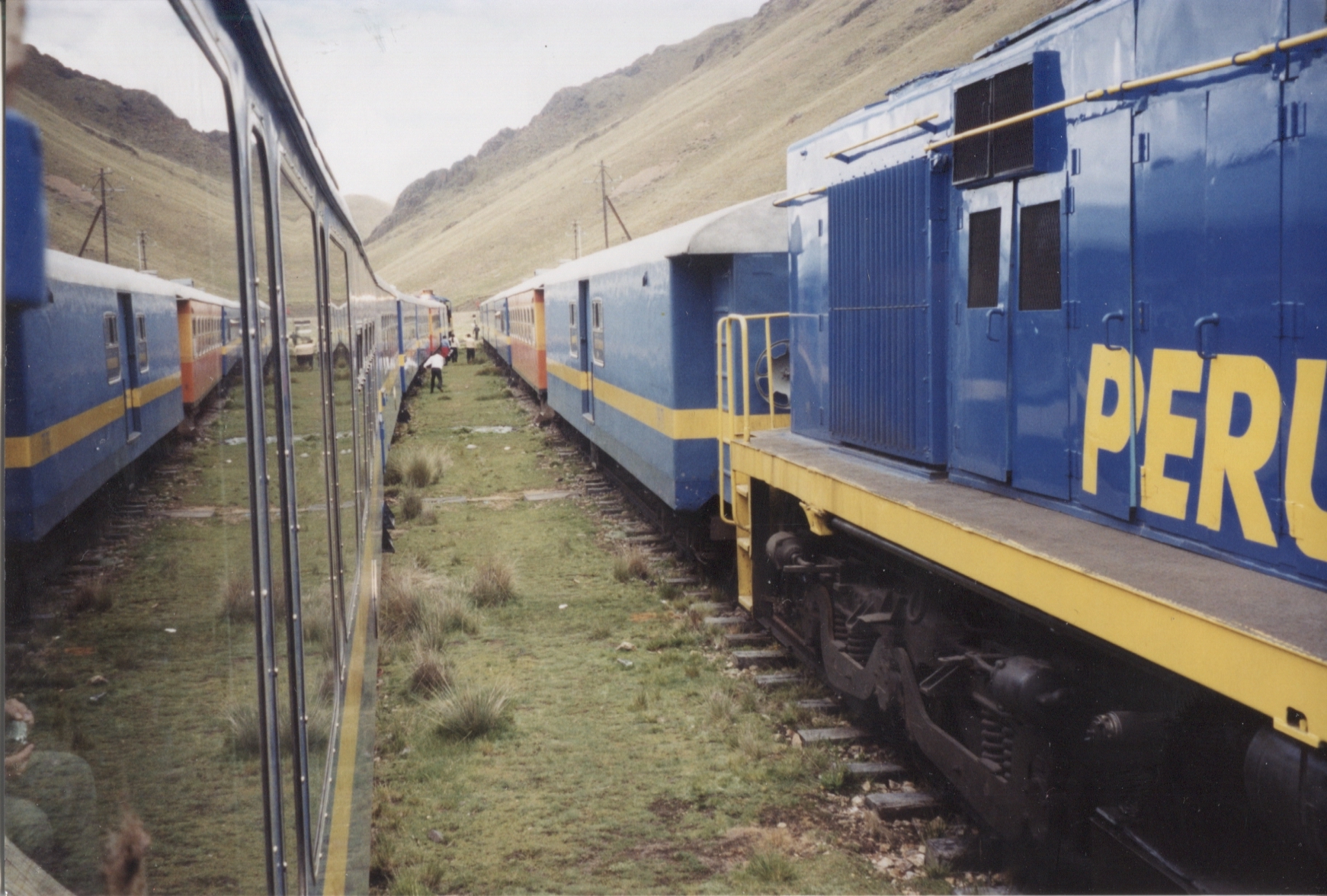
After visiting Macho Picchu and Sacred Valley, we were back in Cuzco.We were leaving for Puno next morning.  Puno is the gateway to Lake Titicaca, highest navigable lake in the world. There were options of traveling by plane, coach bus, or train,  but we decided to do it  by train. I always love to travel by train because it has so much more to offer by the way of comfort and natural beauty even when the train travels with incredibly high speed. We traveled by Perurail’s luxury Pullman train.
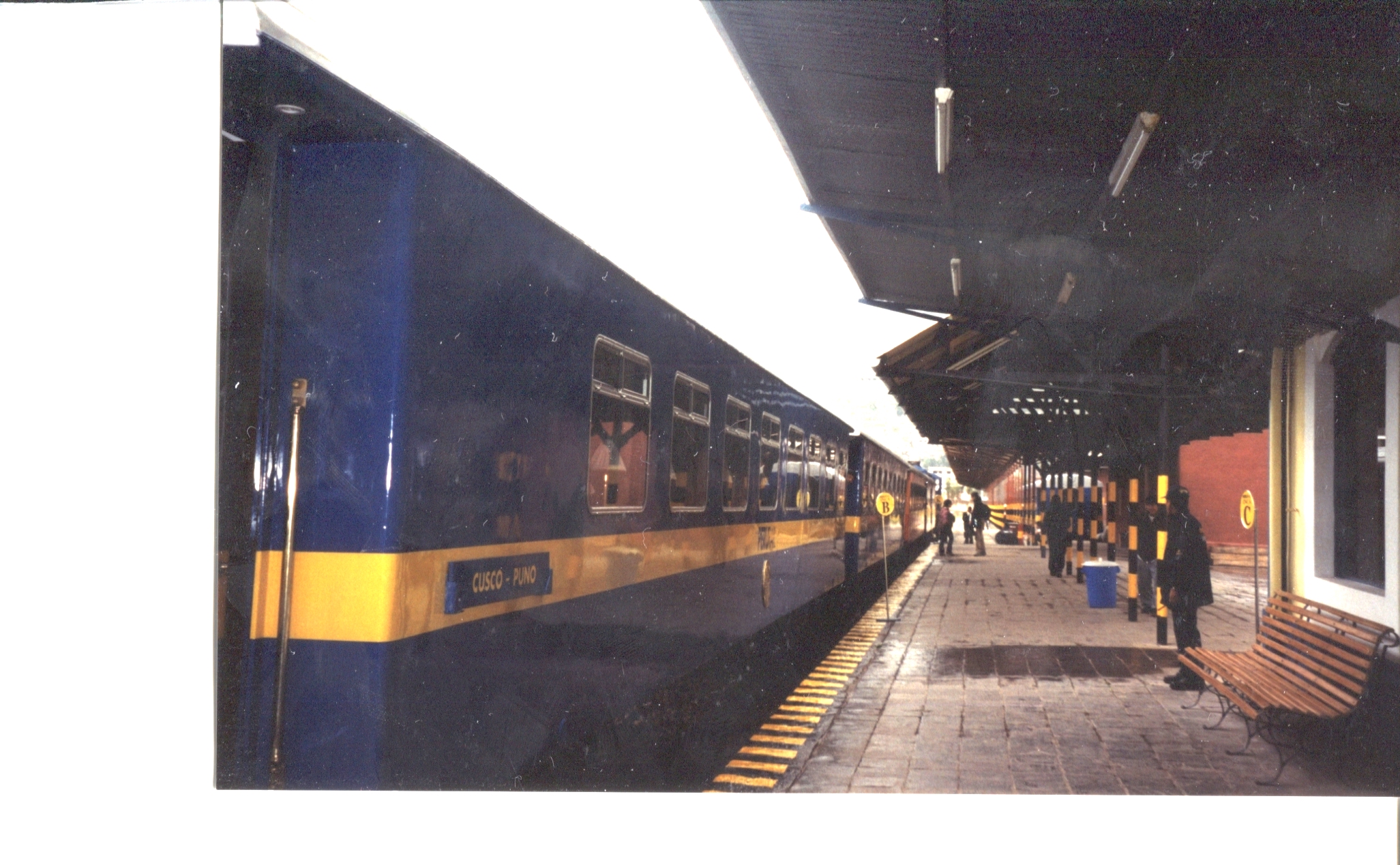
Train to puno from Cusco, Peru

It was one of the most romantic train ride we have ever been on. Train itself offered an amazing amount of fun. It had topclass dinning cars where they served great meals. There was also a bar car, and an observation car which was the last carriage, with large wide windows spanning along the back and the sides  with lot of seating for those who wanted to enjoy the spectacular scenery along the ride. I didn’t  want to move an inch lest I missed something, although we were free to roam along the train all the time.

When the train was going through Urubamba valley, I swear it had to be the prettiest scenic ride ever, and  it was nostalgic for me because it reminded me of my train travels in  India where I saw locals working  and enjoying life right along the tracks, so it was  déjá vu in a way. There is one other thing which is engraved in my memory is the time when our train was passing through a huge area  which was covered with what seemed like gray structures behind the trees. We didn’t know what they were.
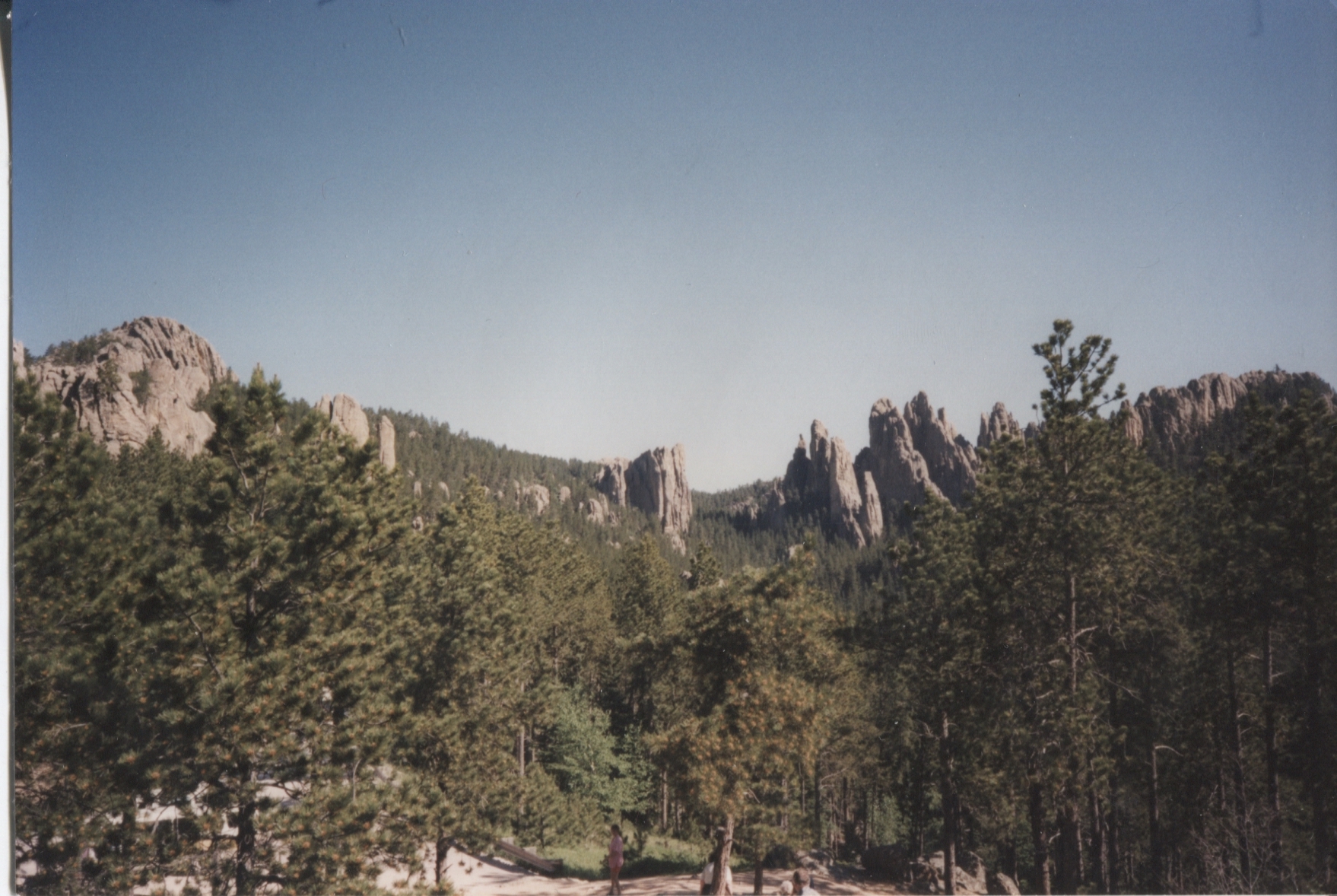
Petrified forest seen from the train to Puno, Peru

I then found out that we were passing a petrified forest. It made a phenomenal impact on me, I could only think of how God performs his wonders in mysterious ways. But science explains the phenomenon as:

” a natural process that occurs when all the organic matter in a tree dies and is replaced by a combination of quartz, copper, iron, and other minerals. This process takes millions of years. Apparently, volcanic ash is a key step in the process of petrification. As a matter of fact, it is not uncommon for petrified forest to have been covered by mud made out partially by volcanic ash at some point. Volcanic ash produces a chemical reaction in the wood, which in turn accelerates the process of petrification”.

As the train continued to crescendo, we saw huge mountain peaks shrouded in mist and clouds and yet the sun was out there behind creating a beautiful golden line around their edges as if it was deliberately done by an artist,  making the scene definitely picture perfect, and even gave credibility to the proverbial every cloud has a silver lining. 
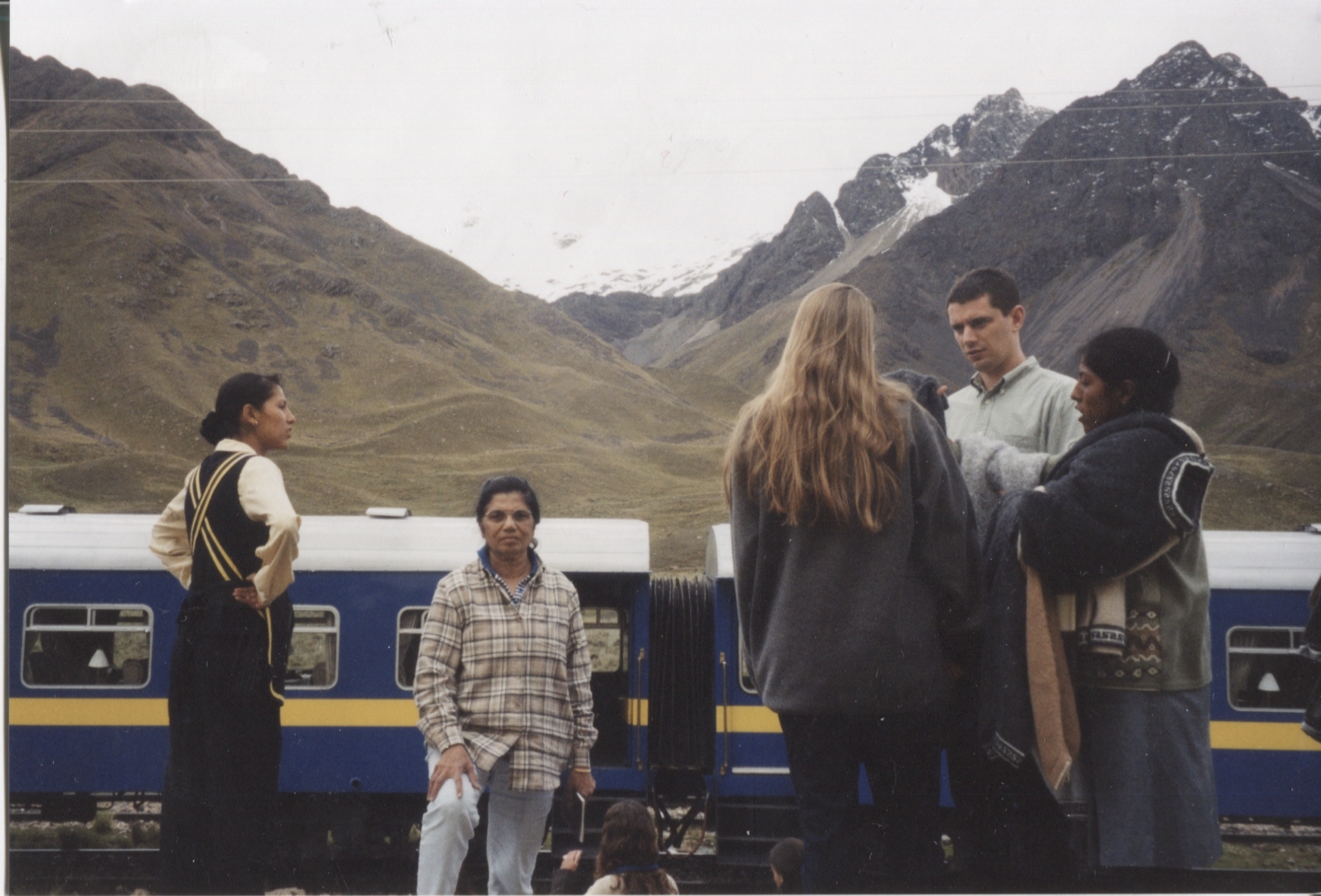
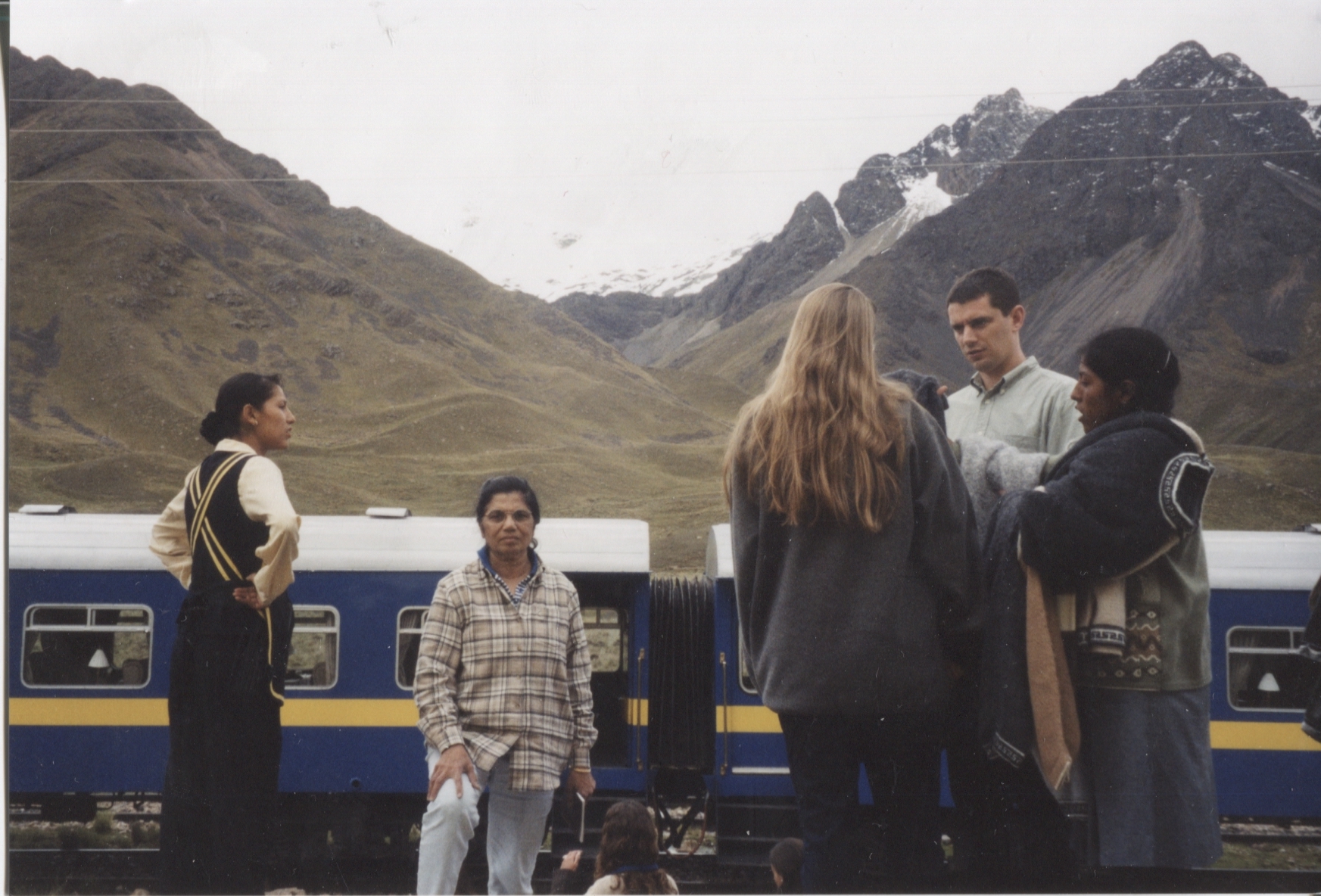
Disembarking the train in puno

We arrived in Puno later that evening. Stepping off the train in Puno I felt dizzy because we were at a dizzying altitude of over 12,566 ft.  We were to stay in Puno overnight and head out for our trip  to Uros floating Islands on Lake Titicaca. I remember we brought some food to the room (but don’t remember the detail of from where or how) which we both couldn’t eat because were nauseous. Jaffer, of course, did not complain because he has a very high threshold for  pain, whereas I am on the opposite end of the spectrum. Anyway after some food and Diamox we were able to sleep. we got up bright and early to catch the sunrise and get ready for our floating island tour. Our tour bus picked us up from our hotel in Puno to catch the ferry to Uros Floating Islands.
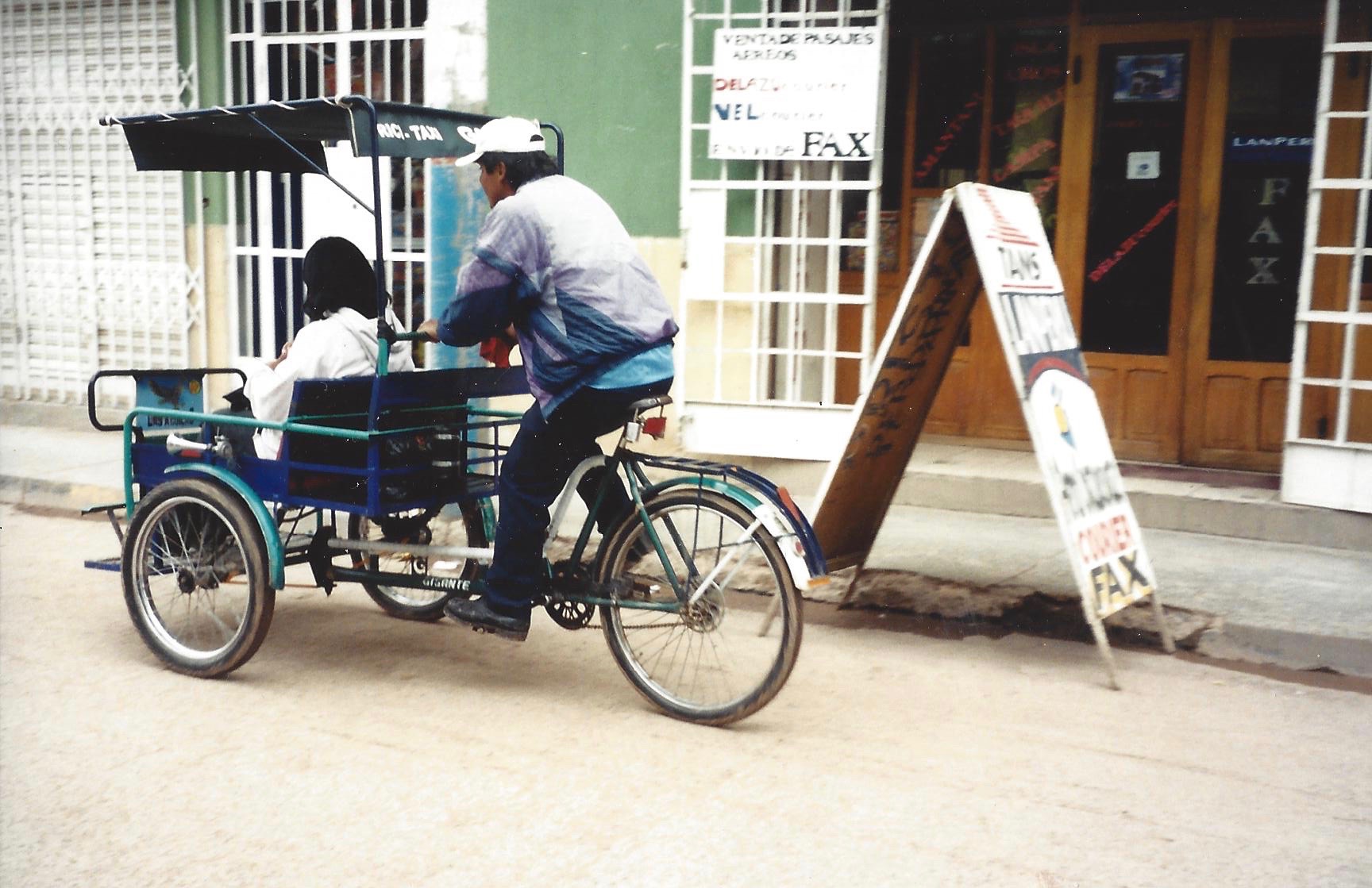
 

Street scene in Puno
Back to the Top:

Sacred Valley, Peru 2002

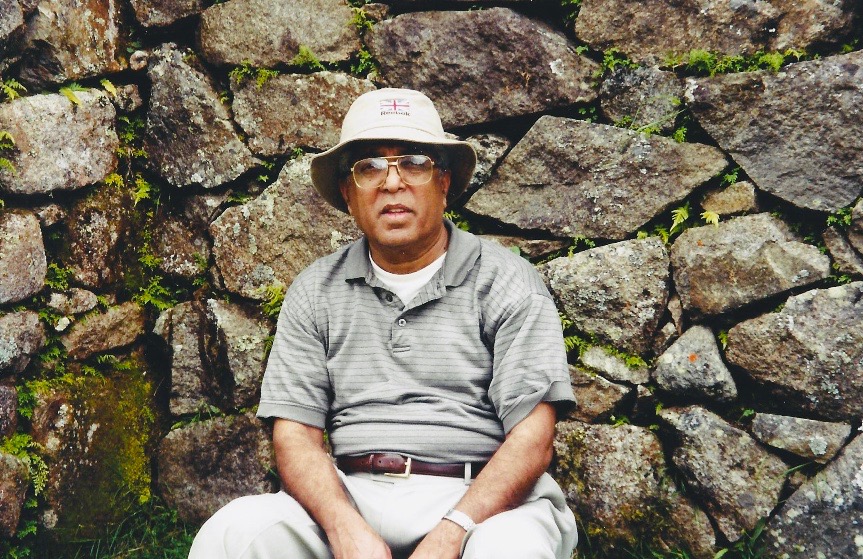
Jaffer in Ollantaytambo sitting infront of the Ollantaytambo ruins.

Our next Jaunt was Ollantaytambo in Sacred Valley. Sacred valley is a lush green area north of Cusco and was the heart of Inca Empire along with Cusco and Machu Picchu. Although there are many villages that populate the region, we had time to visit  Ollantaytambo, and Chinchero. The area has become a very popular tourist destination, because it is on a lot lower altitude than Cusco so it gives tourist the needed time to acclimatize to the high altitude of Cusco. Ollantaytambo has amazing archaeological sites and  has Inca ruins with similar stone work to Sacsayhuaman with carefully cut stones which fit perfectly without mortar. It is a great tourist attraction.  It was a great pleasure to be in the time surrounded by mighty ruins and yet so tranquil. I wanted to do some shopping from the hawkers and vendor who were out there selling their crafts. My Spanish came in handy because I was able to communicate with a lady who was selling caps, and got a cap I really liked.It was difficult to communicate with the_, but would have been  impossible to understand Quechua, a language Peruvians and Bolivians speak- if I didn’t speak Spanish.

Girl selling crafts, Ollantytambo

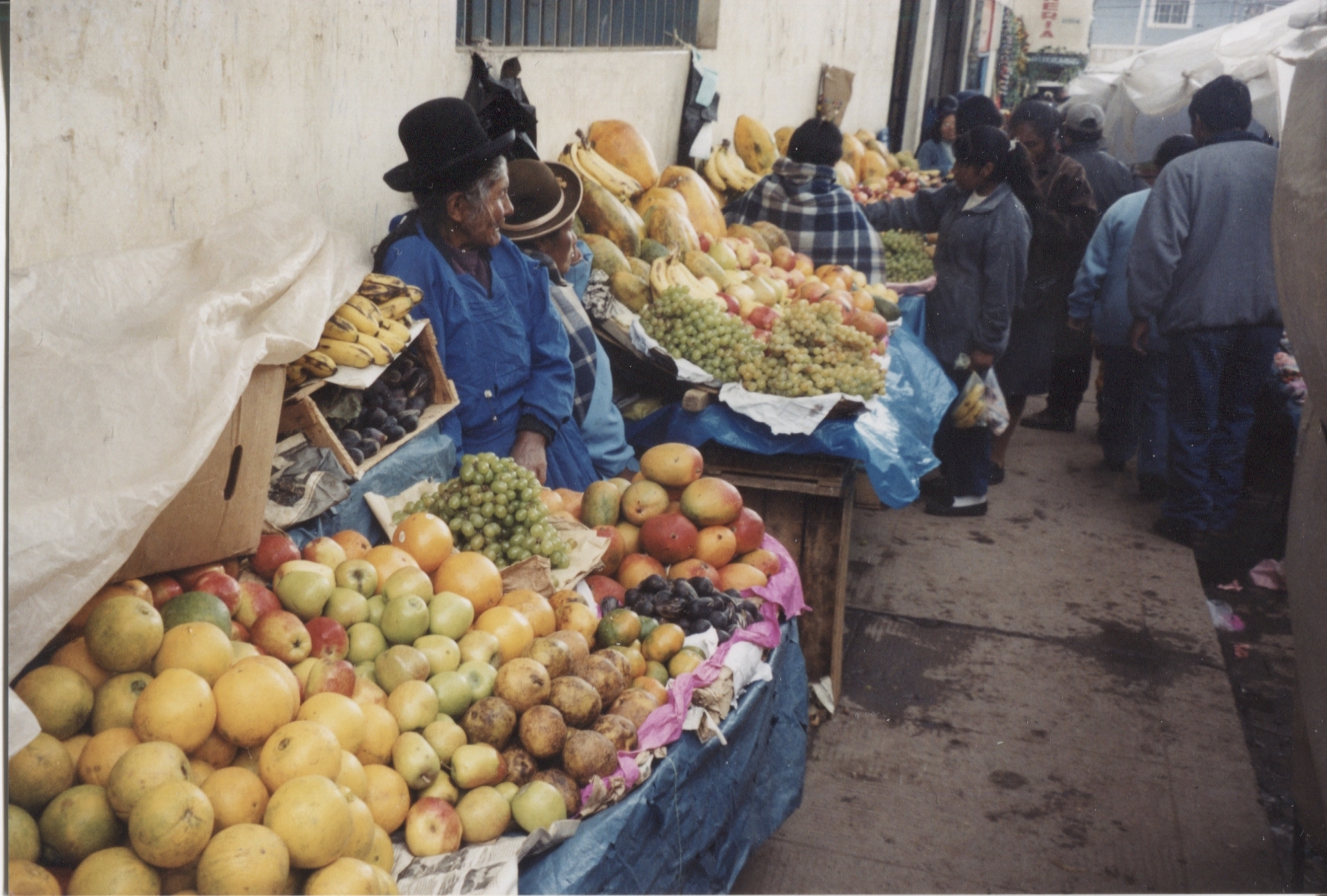
From Ollantaytambo our tour went to Chinchero and our visit was timely. It was a day for both craft market and vegetable market. It was a great time to experience the authenticity of the local market. We were there in off season which meant it was not crowded with tourist. All the vendors from surrounding  villages were there to sell and barter their crafts. And the vegetable market displayed an incredible array of fruits and vegetables.

Vegetable Market, Peru

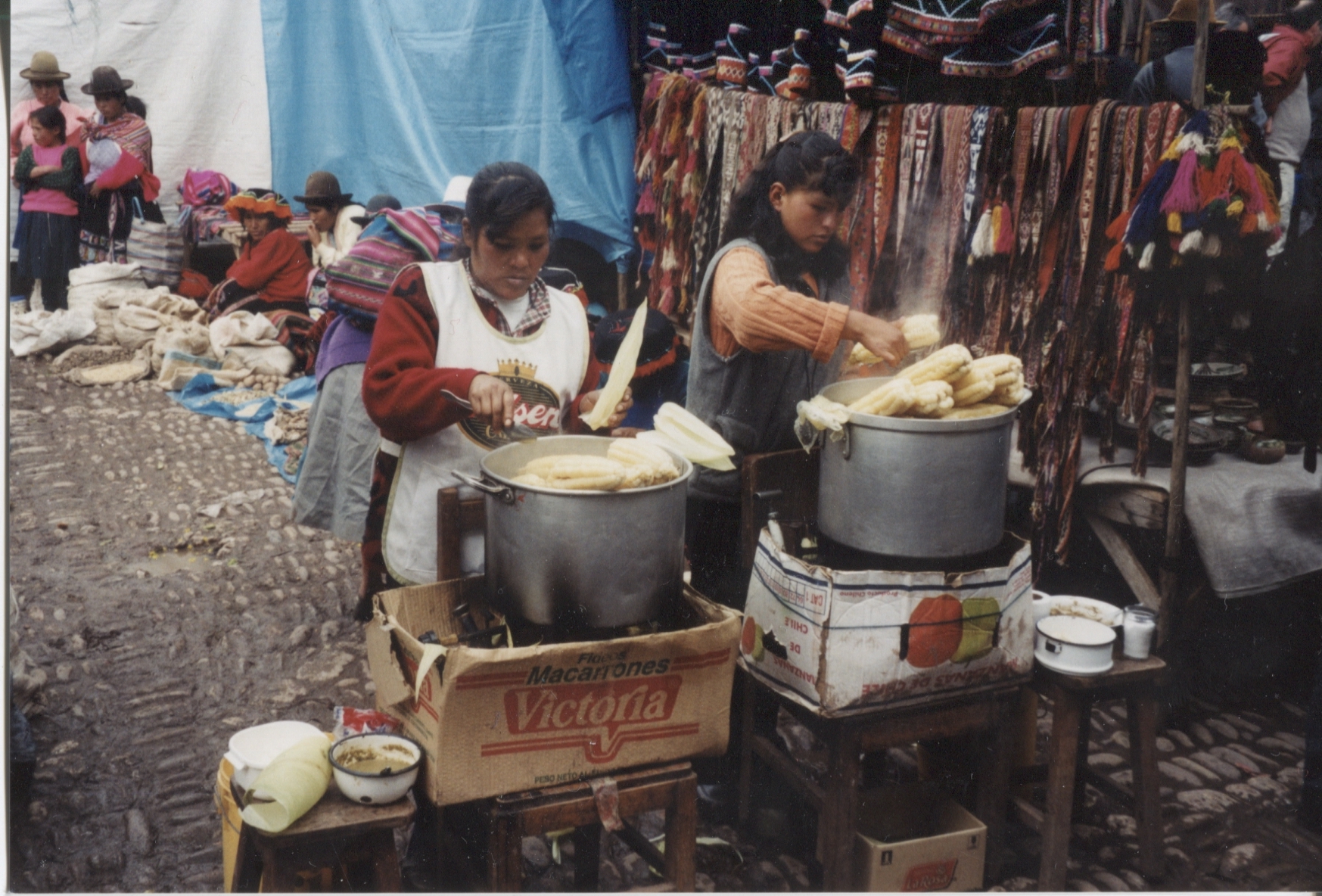
There was an area where variety of  food was being cooked.  we bought corn on the cob which they were boiling in huge pots. They gave it to us sprinkled with salt and pepper making a deliciously fresh snack. We also got a plate of Peruvian rice topped with vegetable stew which we shared. Rice recipe is very simple and I make it all the time.

Cooking Corn, Chinchero Market

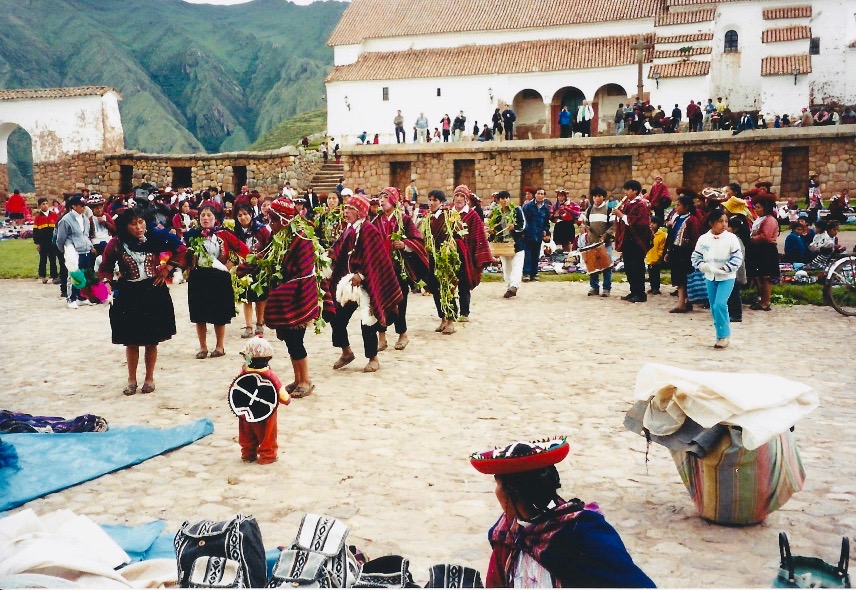
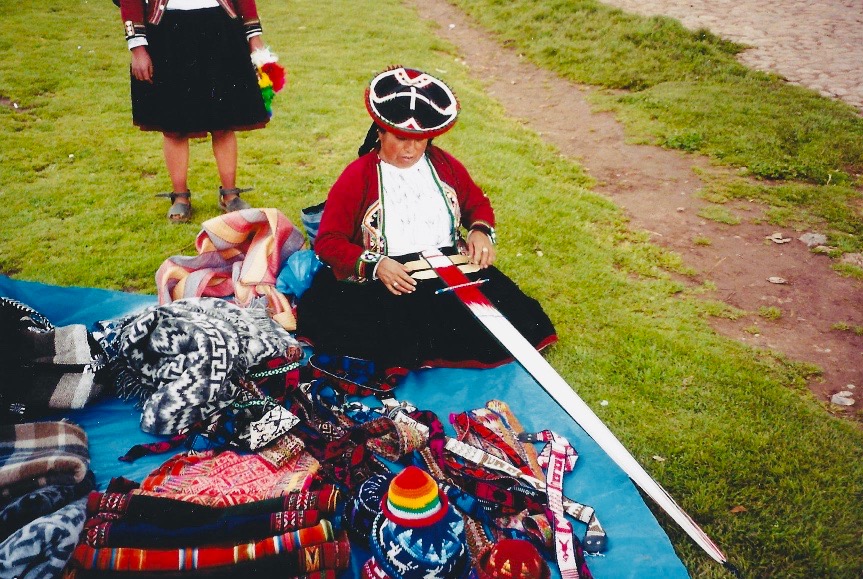
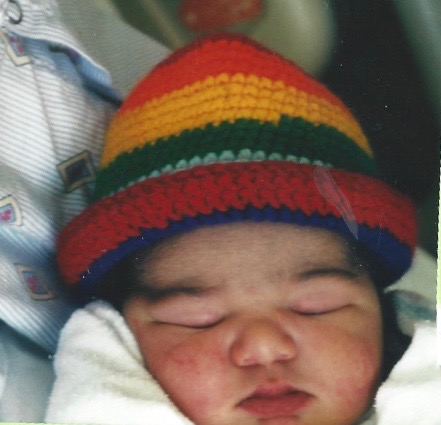
A huge bustling craft market was very impressive against the backdrop of a beautiful adobe church. Since weaving is one of the most popular craft in Peru, this vibrant market provided  enormous variety of  gorgeous locally made items such as shawls, Blanket, sweater, and caps for all ages sold by traditionally dressed villagers and was a perfect place for me. I love to knit, crochet, embroider, and sew which I have done all my life; therefore, I feel emotionally connected with the people who also love doing that. I could have bought a suitcase full of stuff but for the constraint of lugging everything thousands of miles across the oceans. I only purchase was a colorful cap  from this Chinchero craft market for my  granddaughter,Sania, who was due in a few months. you can see the very cap I bought from the woman in the picture below who is demonstrating her weaving.

Chinchero Craft Market with Adobe Church in the background.

Sania, Granddaughter

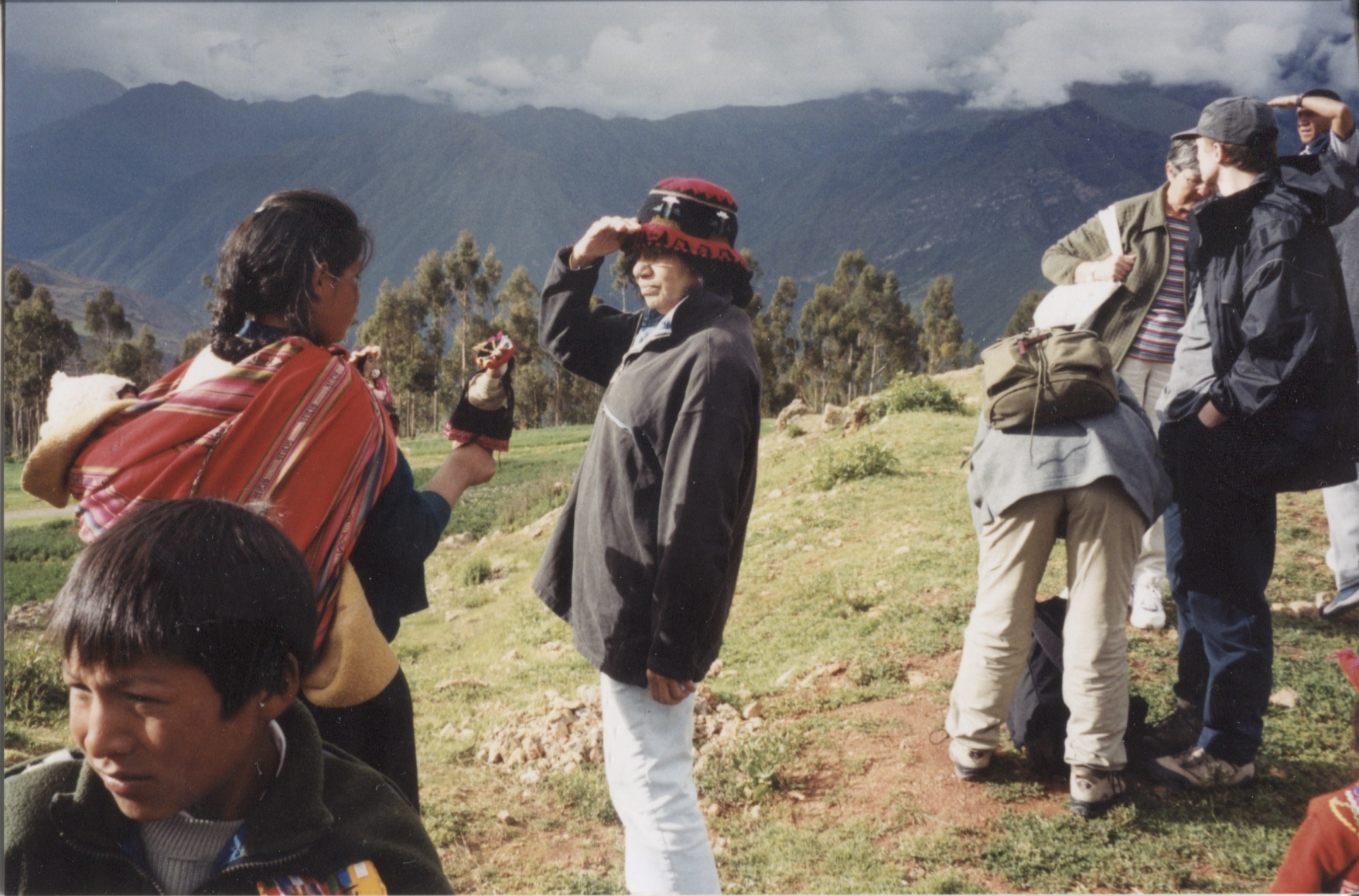
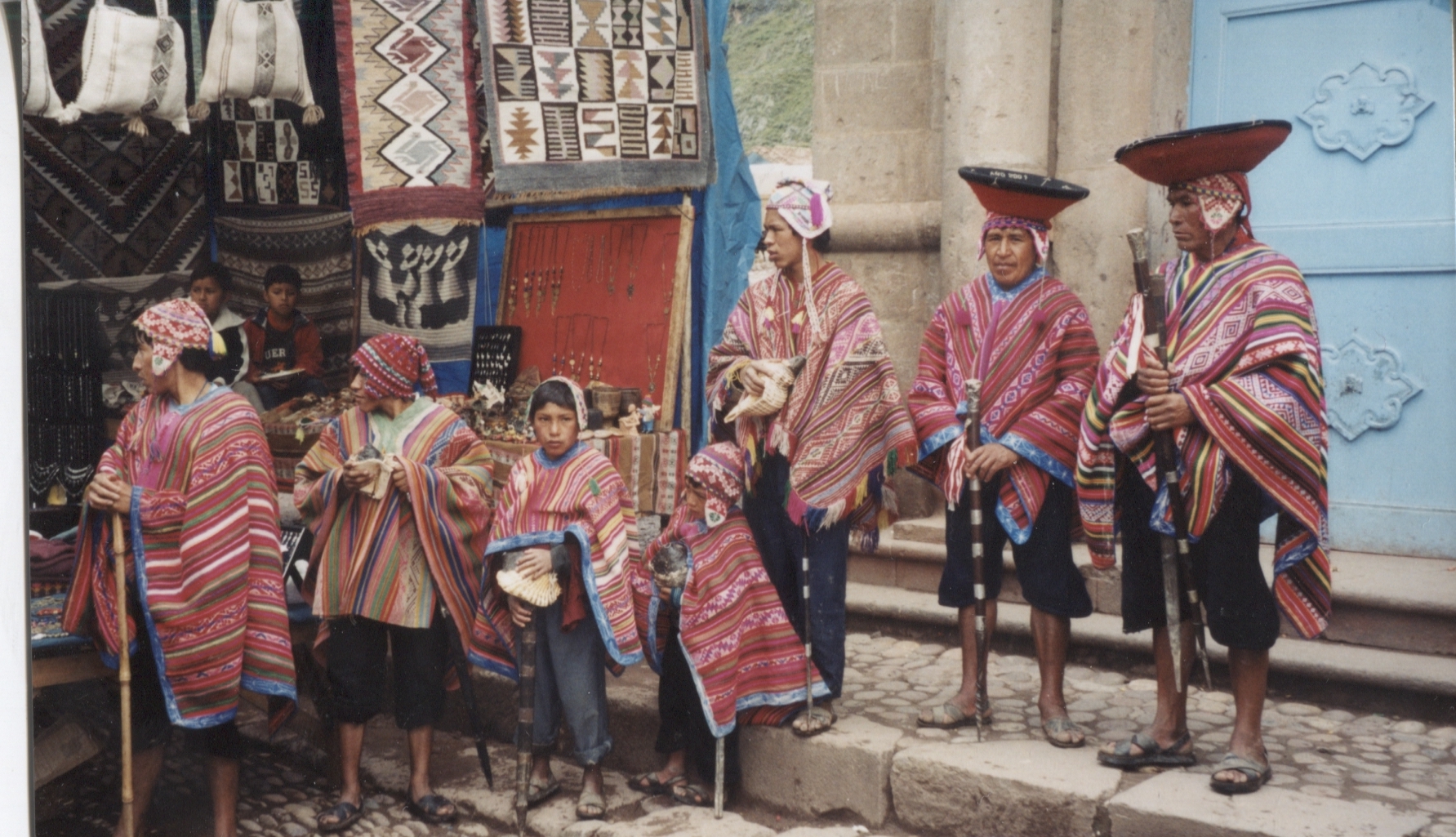
There were groups of traditionally dressed performer, vendors, and buyer who came from  neighboring  villages, some on business and others for the day out with family for fun.

Traditional Dress, Chinchero

Traditional garb was not done just for the tourist, but dressing traditionally, apparently,  is the norm.

weaving is a most popular craft in Chinchero, and Peru in general. In Chinchero craft market women took pride not only in demonstrating their weaving skill but they encouraged visitors to try their hand at weaving too. It was great trip to the area where we got educated about the  unique Peruvian culture while watching them go about their life as they, probably, normally do. I feel very lucky, and thank God for the chance to experience this stupendous feat. From here back to Cusco to take a train to Puno and on to the Floating Islands.

The Woman from whom I bought Sania’s cap (seen in the photo) is demonstrating her Weaving skill, Chinchero

Peru, South America, 2002

We were lucky enough to visit Peru, the world’s most sought after vacation spot, in February 2002. Although we were there only for ten days, we have seen some amazing sights plus we didn’t feel rushed. Had a great time all the while we were there. Even though we first came to Cusco which is at 11,152 ft. above sea-level, the same day as we arrived in Lima, altitude sickness didn’t not hit us until much later.

My husband is a great trip planner, his meticulously planned trip meant he identified all must-sees in the planning process. Our itinerary included Lima, Cusco, Sacred Valley, Machu Picchu, Puno, Lake Titicaca, Ariquippa, and Colca Canyaon. I am sure there is a life time of travel and things to do in Peru, but in ten days we managed a good chunk of the most exciting and mind blowing cultural and culinary experiences.

Since he organized a guided tour, we were met by Maria, our guide, when we arrived in Lima. Maria received us at the

With Maria, our guide in Lima, Peru

airport and took us to downtown area for breakfast, after that we hit the highlights of the city and then on to the airport to fly to Cusco. We arrived in Cusco late that afternoon to a hotel where we were booked, and we were ready for our history and culture fix, and to the scenery like no other. The hotel in Cusco was very comfortable. And after a few hours rest we went down for dinner to find that along the dinning area wall were long tables set with teapots with hot water, some fresh tea leaves, and cups for self help. We were told that the leaves were cocoa and drinking cocoa tea  alleviates severe altitude sickness. Cocoa tea is everywhere in Peru. Yes, it comes from the same plants from where cocaine comes but it is nowhere close to the potency of that illegal drug. It is believed to be safe to drink except that overdoing it could cause palpitations.

After a good night’s rest we got up for our day of sightseeing in Cusco. After breakfast our guided tour began and  the  first stop was Sacsayhuaman which is a citadel in the vicinity of Cusco. our guide told us that it is referred to as ‘sexy woman’ as a technique to remember the name.  It is the most incredible ancient ruins in Peru which, apparently, even predates the Incas. The  most breathtaking part is  how the stones are cut carefully to fit tightly even without the  use of mortar at an altitude of 12,142 feet above the sea level. According to the Inca legend the “site was built by gods who descended from the heavens”.

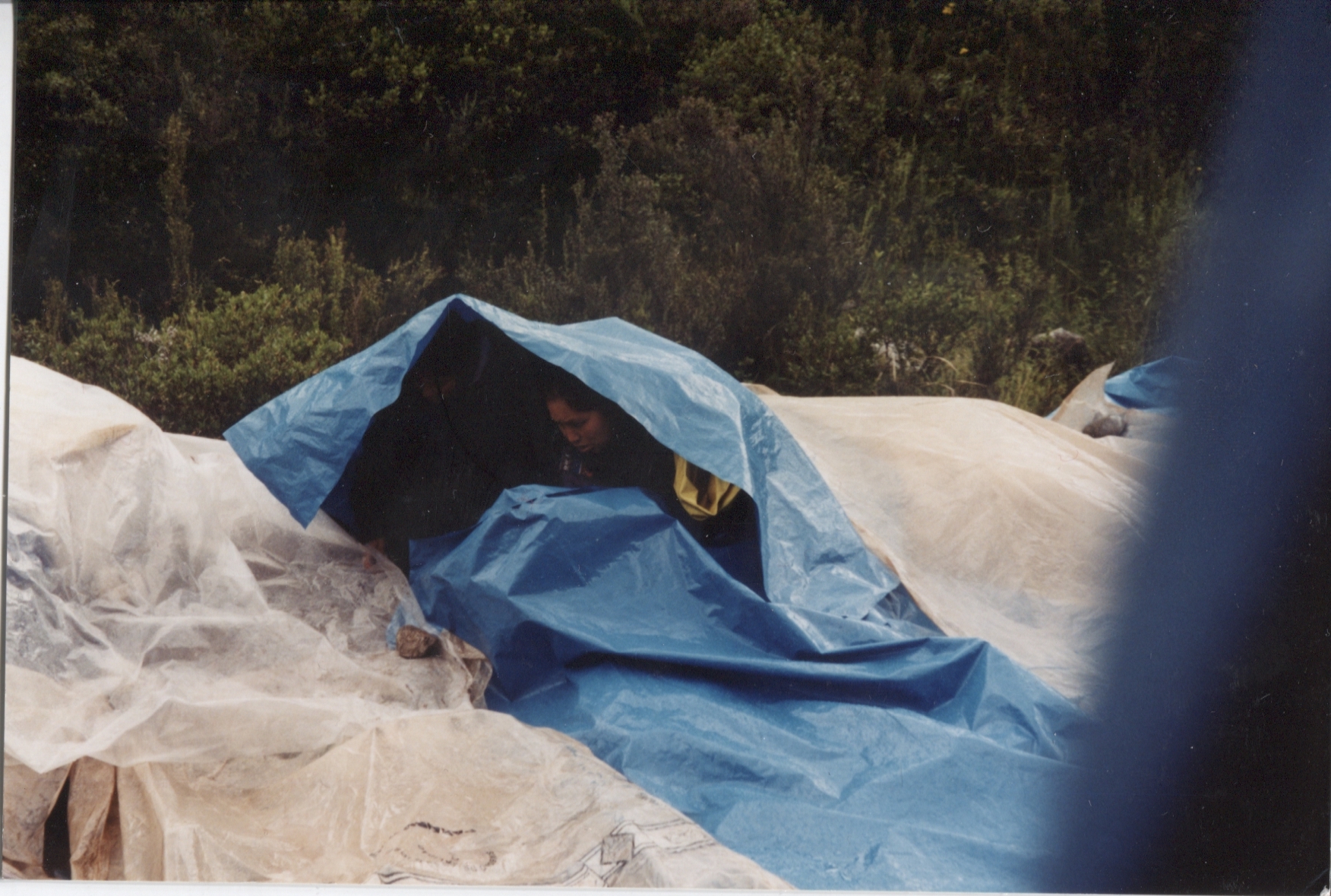
It was a very rainy morning when we arrive at the site. A lot of vendors were lined up along the walls trying to sell their wares. Since it was raining, they covered their articles of sale with thick white plastic sheets while they covered

Vendors infront of Sacsayhuaman Ruins, Cusco

themselves with thick blue plastic sheets for some reason. It was fascinating and at the same time heart rending to see their plight for making a living.

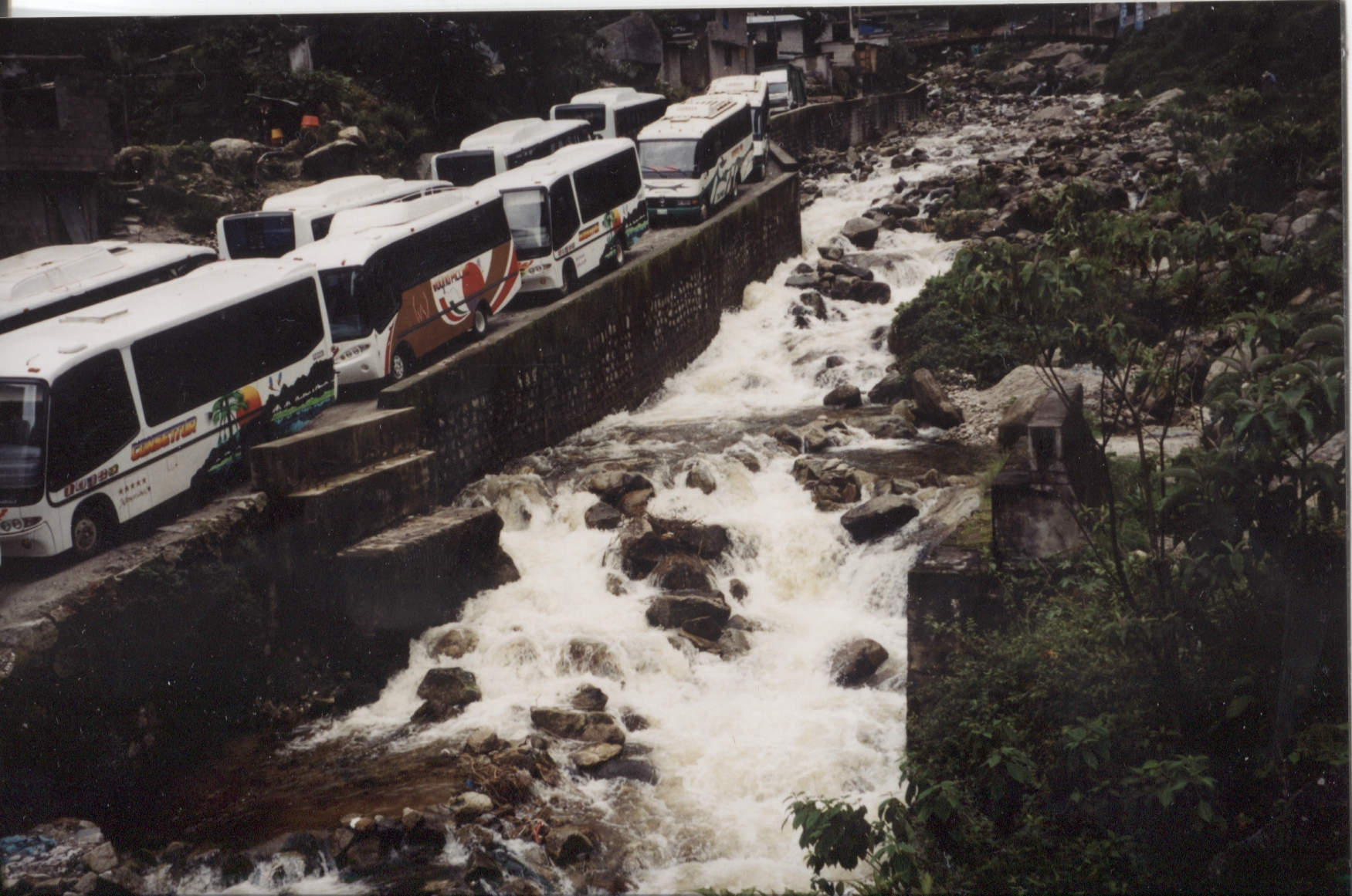
Later we were headed out to Sacred Valley and Machu Picchu by train which offered amazing views of snowy mountains along the route.  The train took us to Agua calientes where we had to disembark. We had a bus ride from Agua Calientes to Machu Picchu. The bus went right along Urubamba River in the Sacred Valley with steep Canyon walls on either side. For us the most fascinating part  was the fast gushing river which seemed to be on a rolling  boil and we tried to figure out why, and realized that the river bed was strewn with gigantic rocks creating mountains and valleys making fast flowing  river go up and down with amazing speed making it look like it was boiling.

Train to Machu Pichu

Urubamba River flowing through the valley of Agua Caliente

My immediate thought was that it was the reason the town was called Agua Calient ( boiling water).  But, apparently, the area is known for its  hot springs; therefore, the name.

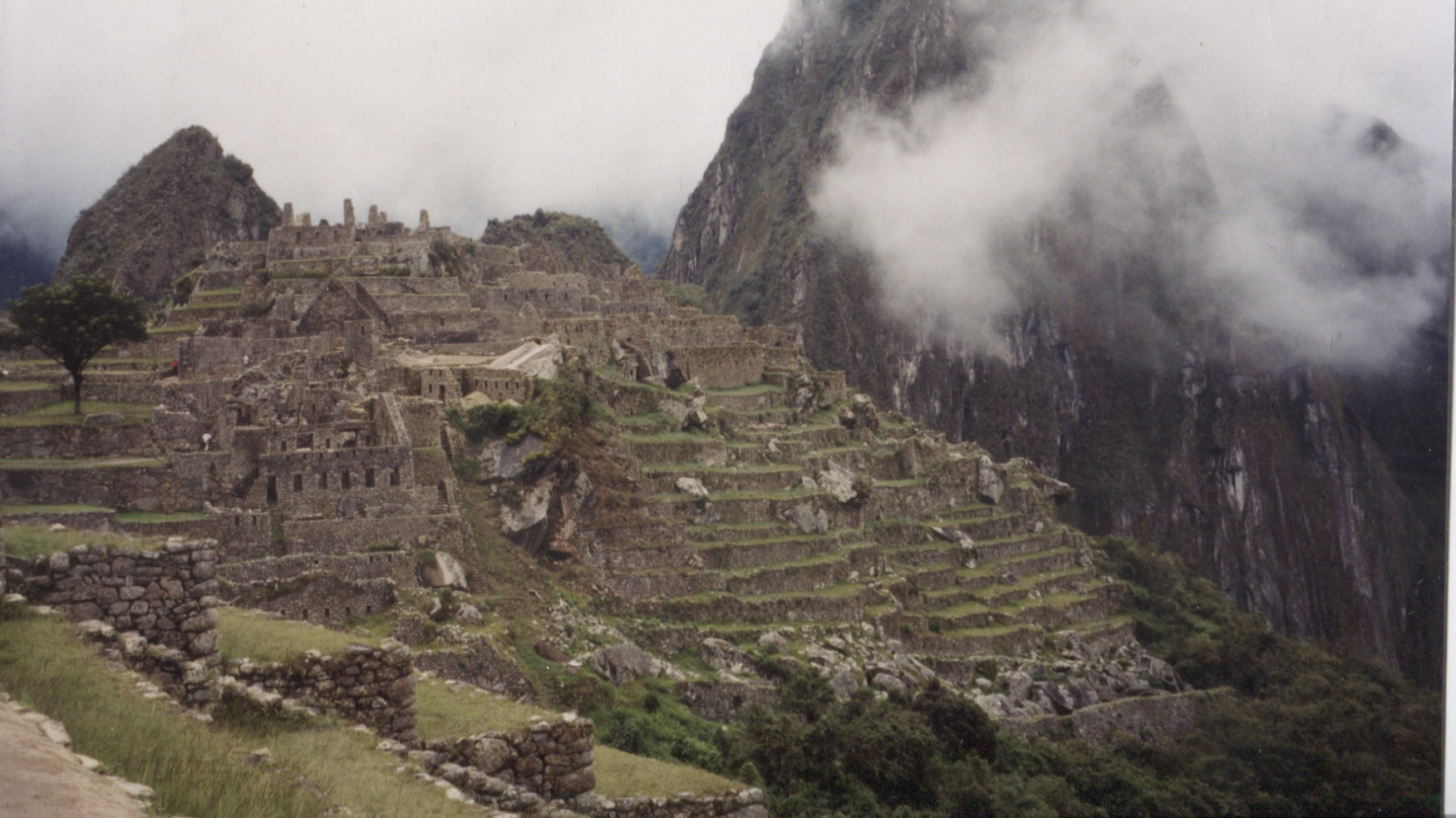
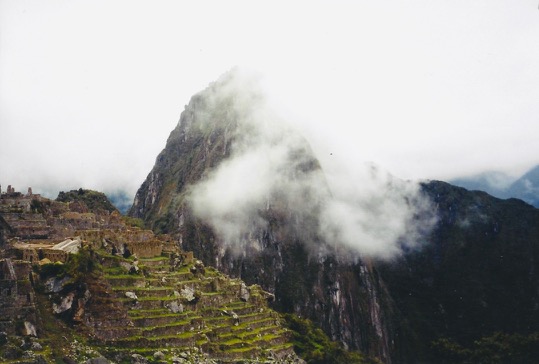
We got to Machu Picchu from Agua Caliente by bus. Machu Picchu sits 7,970 feet above sea level overlooking Urubamba River  below.

Machu Picchu

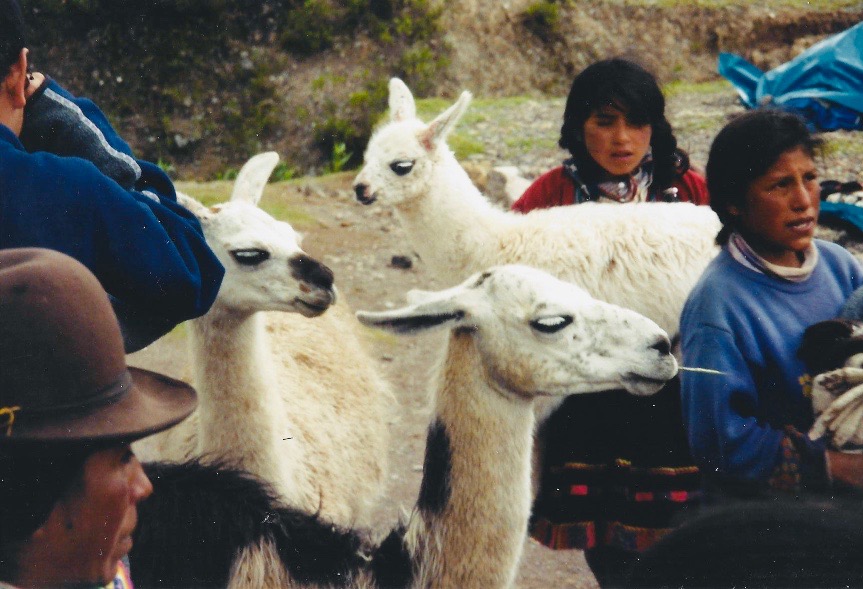
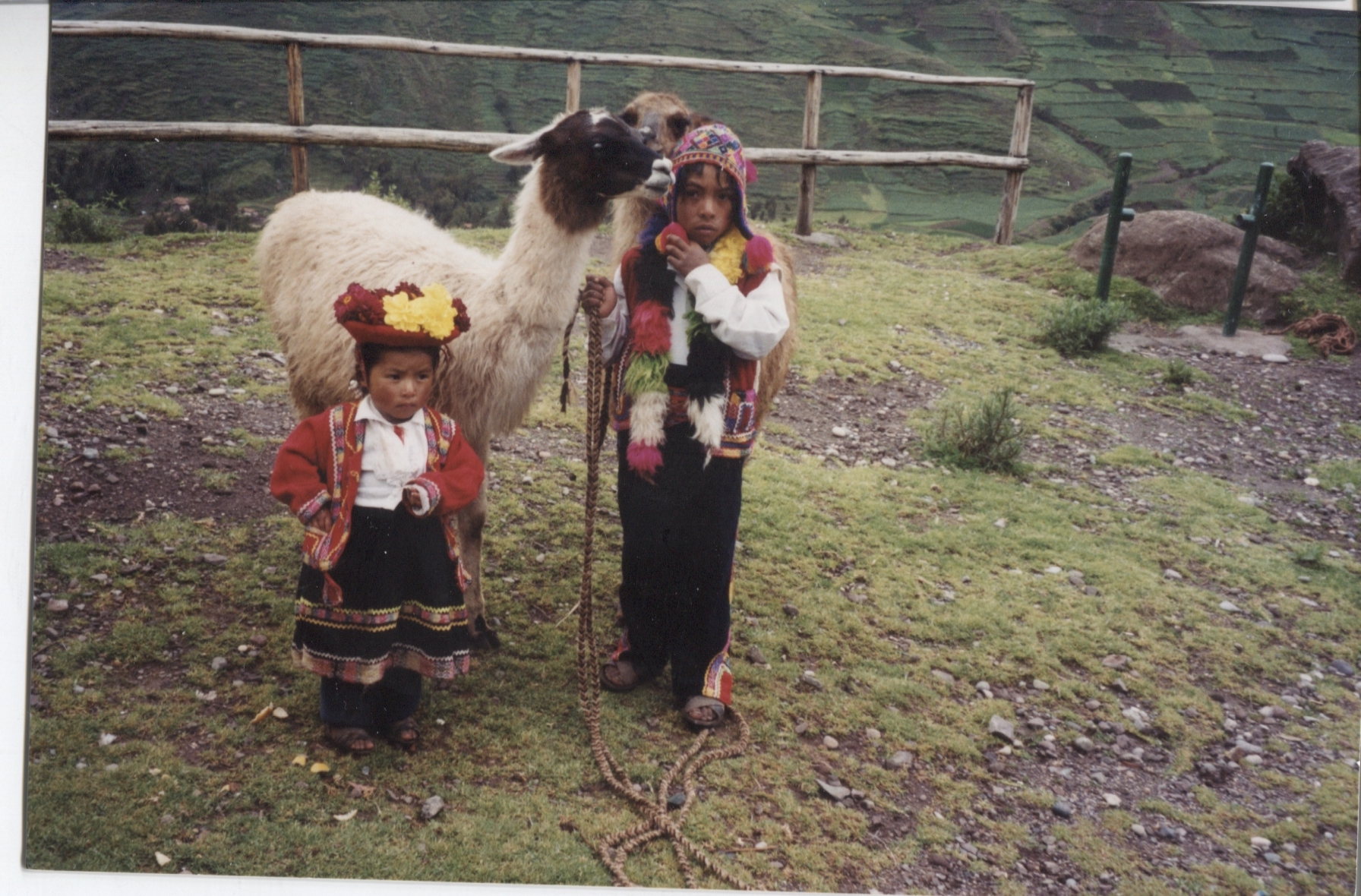
In 1911 a Yale University Professor found the lost city which was covered in vegetations, and  was never visited by Spanish Conquistadors. The building around Machu Picchu are also built with granite stone precisely cut and fit tightly without mortar just as found in Sacsayhuaman ruins in Cusco. It is one of the most famous archaeological sites and probably a dream location on most travel lovers bucket list. It covers 80,000 acres of Terraced fields where the crops like maize and potatoes were grown at one time. The lush green valley with  terraced fields rising from the edge of the site were once used for  growing crops makes you feel like you are in a world which seems so alien that your heart beats with excitement. The place is dotted with local people in their traditional garb tending the llamas and alpacas. Llamas are obviously used for transportation, and their wool for making clothing and blankets, and their meat for food.  The  surrounding two twin mountains, Machu Picchu and Huayna Picchu, are  huge cones with their peaks almost touching the skies  enwrapped in wispy  clouds with their magical beauty enhancing the site to a spiritual significance.

Alpacas, Machu Picchu

Kids in traditional garb with llama

we were provided the history and fascinating secrets of this archeological site by our tour guide. When the tour came to an end, It was time for lunch and we were all headed to the restaurant in the area. As we entered the restaurant, there was a heavy downpour with no end in sight.  Anyway, it gave us time to  eat our lunch without being rushed to move on to the next place.  But it was interesting that as we finished our lunch, it stopped raining too and we could get back to our normal activity. It was time to head back to Cusco from once in a life time visit to one of the most desired destination in the world. Look for more to come on Peru.


Continue Reading on Peru:

Train to Puno: