
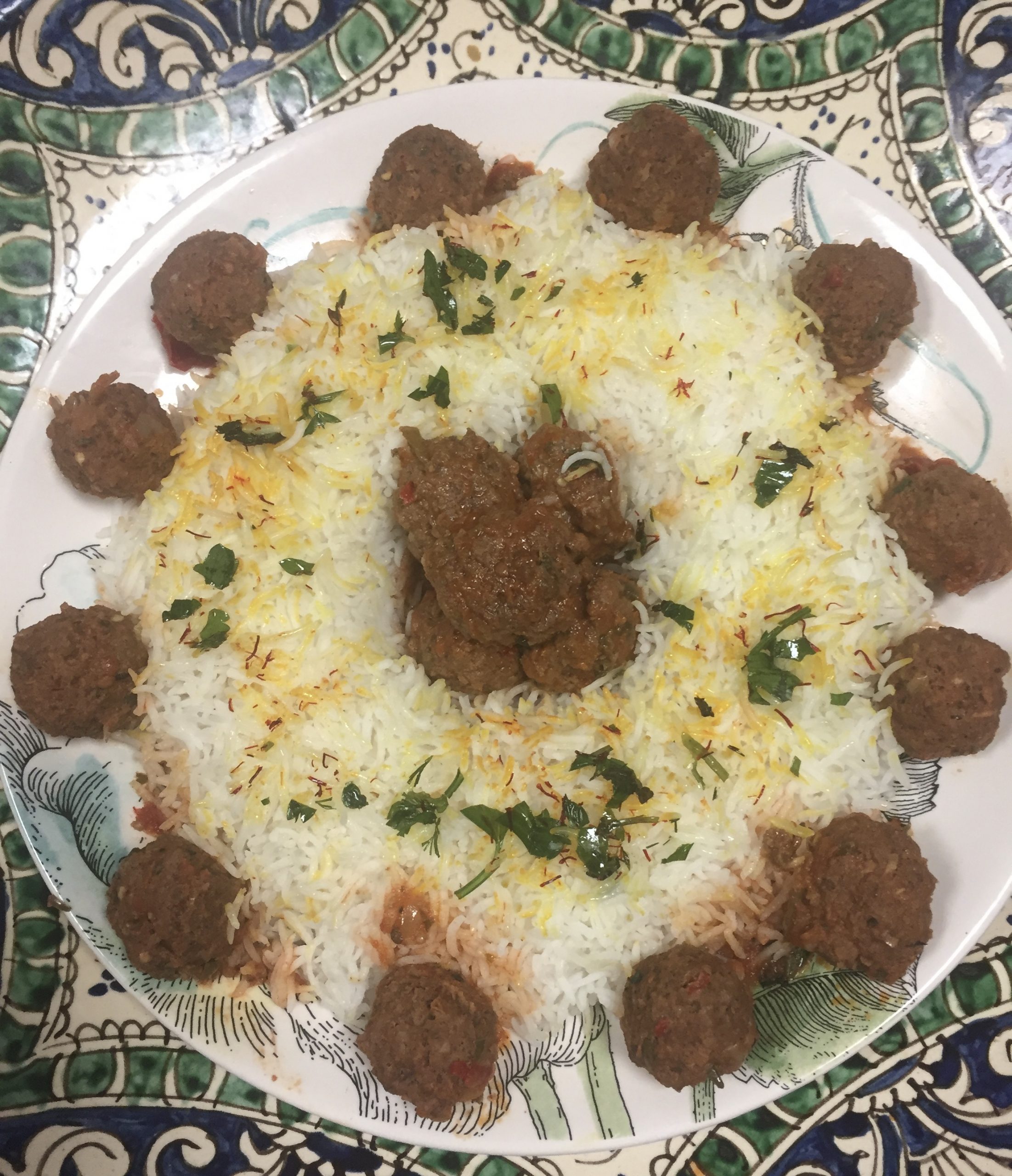
Meatballs and Rice, Greek recipe with an Indian twist
This festive recipe is an absolute treat for the young and old alike. Cooked Basmati rice is molded in a Bundt cake pan, flipped over on a plate, and meatballs with gravy are arranged around and center of it. I took a Greek recipe and made it with Indian spices. I have to admit there are a lot of similarities in Greek and Indian cooking.
3cups basmati rice, washed well and soaked in warm water for 15 minutes.
2teaspoonsmelted butter or olive oil
½ teaspoonsaffron, crushed
1tablespooncilantro and mint mixture, very finely chopped
Tomato Sauce:
¼cupolive oil
1largeonion, finely chopped
4 clovesfresh garlic, finely chopped
1 can (14 ½ oz.)whole tomatoes
1teaspooncumin poweer
1 teaspoon red chili powder
1teaspoon salt
1 teaspoonblack pepper
1teaspoonsugar
Meat Balls:
1pound ground beef or lamb,
1smallonion, grated
¼cupbread crumbs
1largeegg
½teaspoonground ginger
1 teaspoon garlic powder
1teaspoon ground cumin
1teaspoongaram masala
¼cup mixture of fresh cilantro, mint, finely chopped
5small green chilies, minced (optional)
½cup water
Equipment
Rice cooker, Bundt pan for molding the rice.
Method
Basmati Rice:
Wash rice well and drain completely. Put the rice in a rice cooker with 3 ½ cups water, and 1 teaspoon salt and cook until ready.
Tomato sauce:
Meanwhile, heat oil in a saucepan.
Add onion and garlic and sauté on medium high heat until onion is soft and starts to get some color on it.
Transfer a can of tomatoes to a bowl and crush by hand leaving some chunks for some texture which makes the dish pretty. Add the tomatoes to the onion and stir to mix well. let it simmer for 10 to 15 minutes.
Add cumin powder, chili powder, black pepper, and salt. Mix well, cover and simmer for 10 minutes.
Uncover, add butter, and sprinkle sugar to balance the acidity. It does not sweeten the sauce.
Cover and simmer until sauce cooks down slightly.
Meatballs:
While the sauce is simmering, In a bowl, add ground meat, onion, bread crumbs, one egg, ginger, garlic, cumin, garam masala, mixture of mint and cilantro, and green chilies (if using).
Transfer to a food processor and process until everything is well mixed. Don't over process.
Remove to a bowl and form into meat balls pressing firmly. Once all the meatballs are ready, drop them into the sauce. Mix well and add ½ cup water. Simmer for 15 minutes and remove from heat. Let it stand for 15 minutes before.
Assemble the Final Dish:
To assemble the dish, grease a Bundt pan well with melted butter or olive oil. Sparsely sprinkle with crushed saffron, chopped cilantro and mint mixture.
Transfer cooked rice in it and press it down with a flat spoon to firm it up. Flip it over a Plate. The top looks jeweled with orange and green colors of saffron and herbs. Arrange meatballs around it with a little sauce. Also serve sauce on the side for those who like extra sauce with their meal.
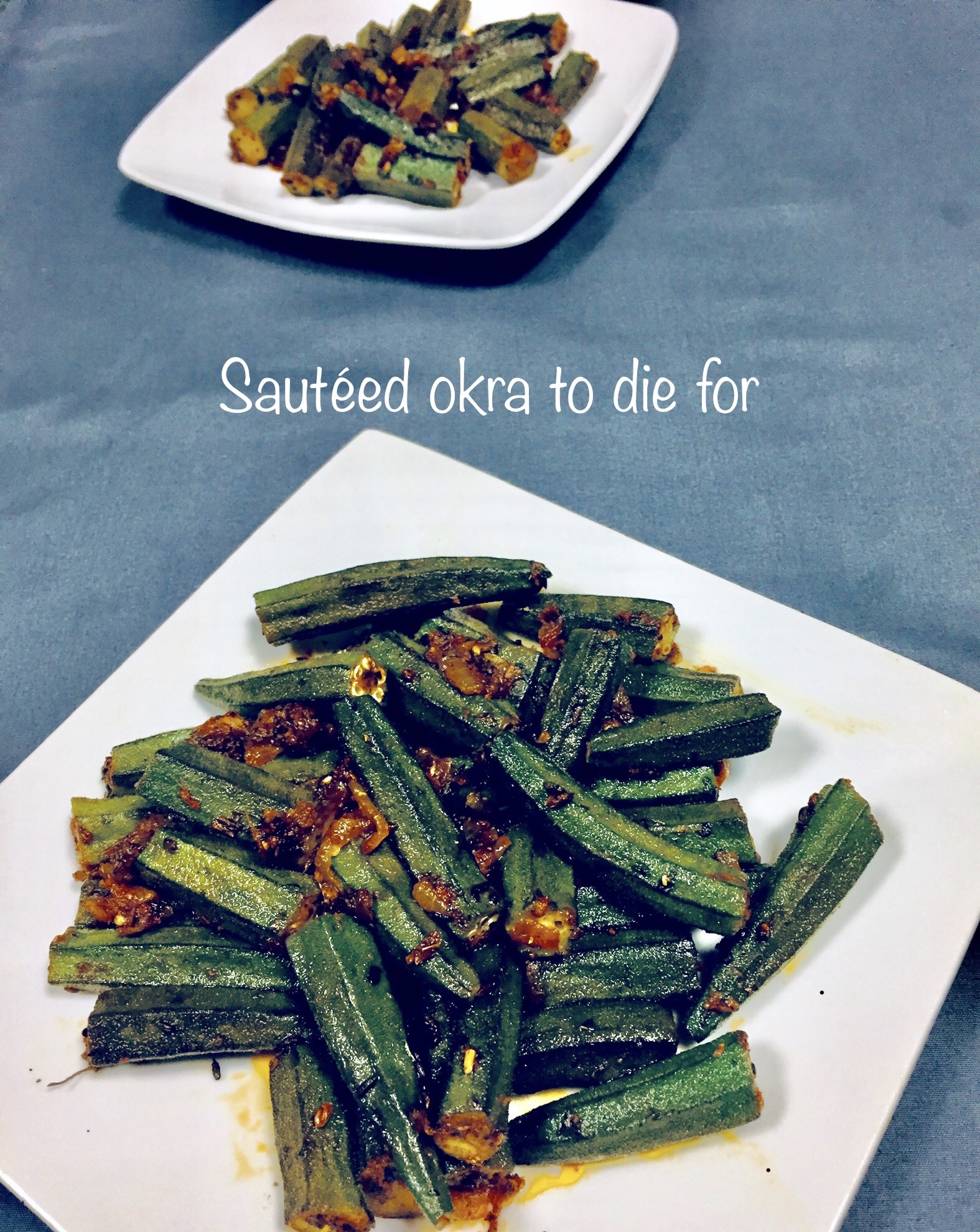
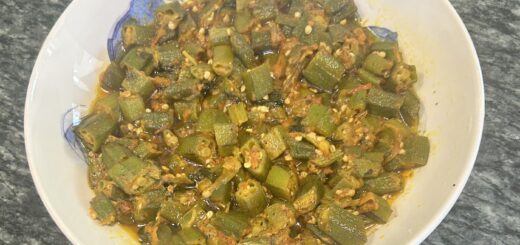
Deliciously simple, a quick vegetarian treat as a side to any Indian meal. Adding okra to your diet will ensure a healthy digestive system.Its high fiber content helps add needed bulk to keep the system clean.
1teaspoon each freshly minced garlic cloves and ginger root
1 teaspoon coriander seeds, lightly roasted and crushed
½teaspoon turmeric powder
1teaspoon black pepper
½teaspoon salt
5green chiliesfinely chopped
½teaspoonMango powder(amchur)
1teaspoondried fenugreek leaves, crushed to a powder
⅛teaspoon clove powder
1/4cup water
Equipment
Sauté pan
Method
Bring 2 cups of salted water to a boil. Add prepared okra to it and let it boil for about 6 seconds. Remove from heat and strain though a metal sieve and set it aside.
Heat oil in a non-stick frying pan, add cumin seeds and let them brown.
Add chopped onion and sauté until onion turns glossy and translucent.
Add tomato puree, ginger, garlic, crushed coriander, turmeric, Black pepper and salt, and continue to stir fry on medium low heat until oil starts to separate on the side.
Lower heat further and add prepared okra, chopped green chilies, mango powder, crushed fenugreek, and clove powder. Sprinkle 2 tablespoons water and stir to mix while still cooking. make sure that okra is cooked. If still needs more cooking, add some more water and cook until okra is fully cooked.
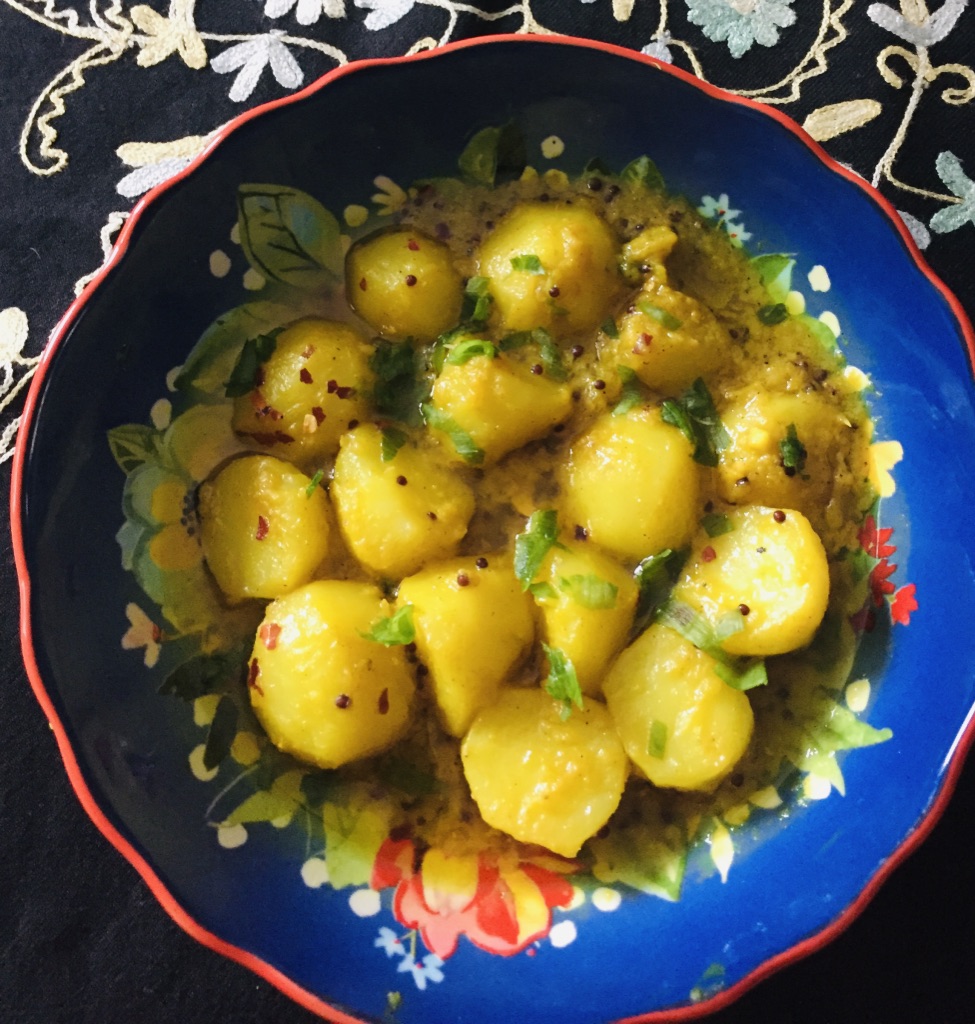
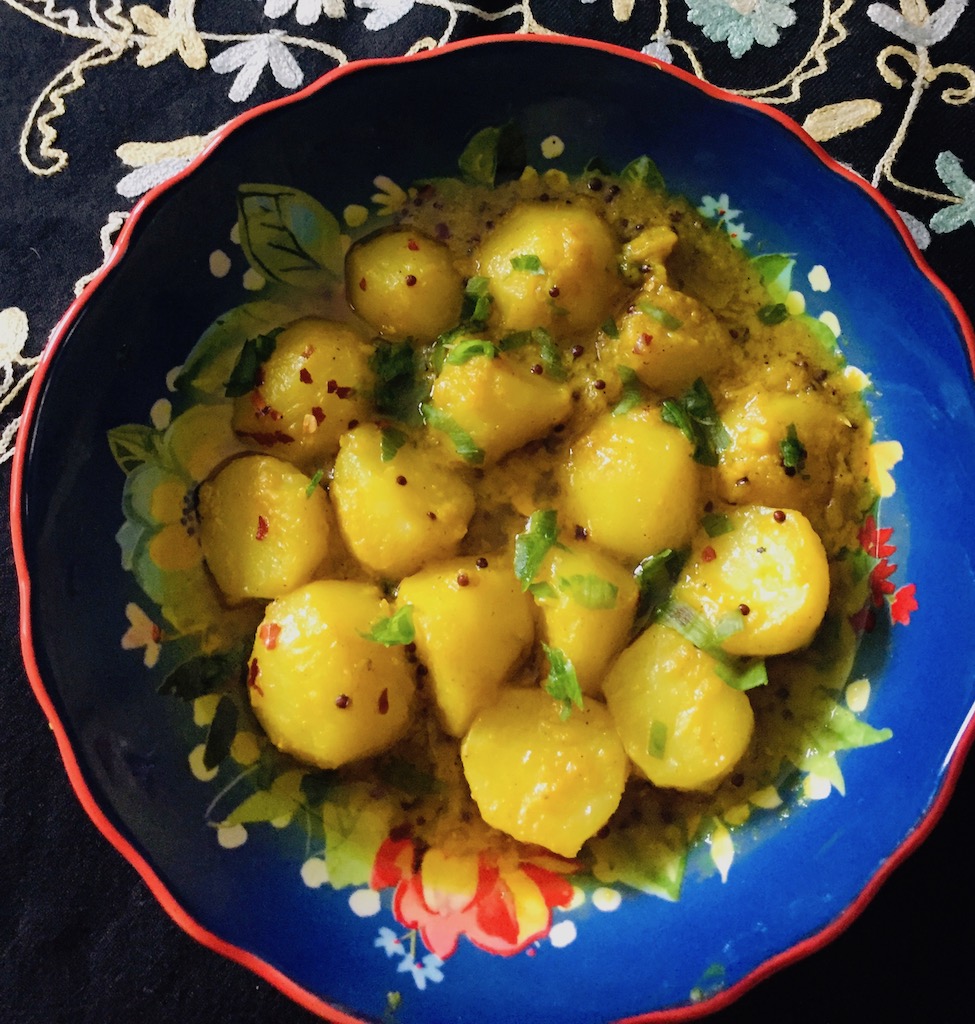
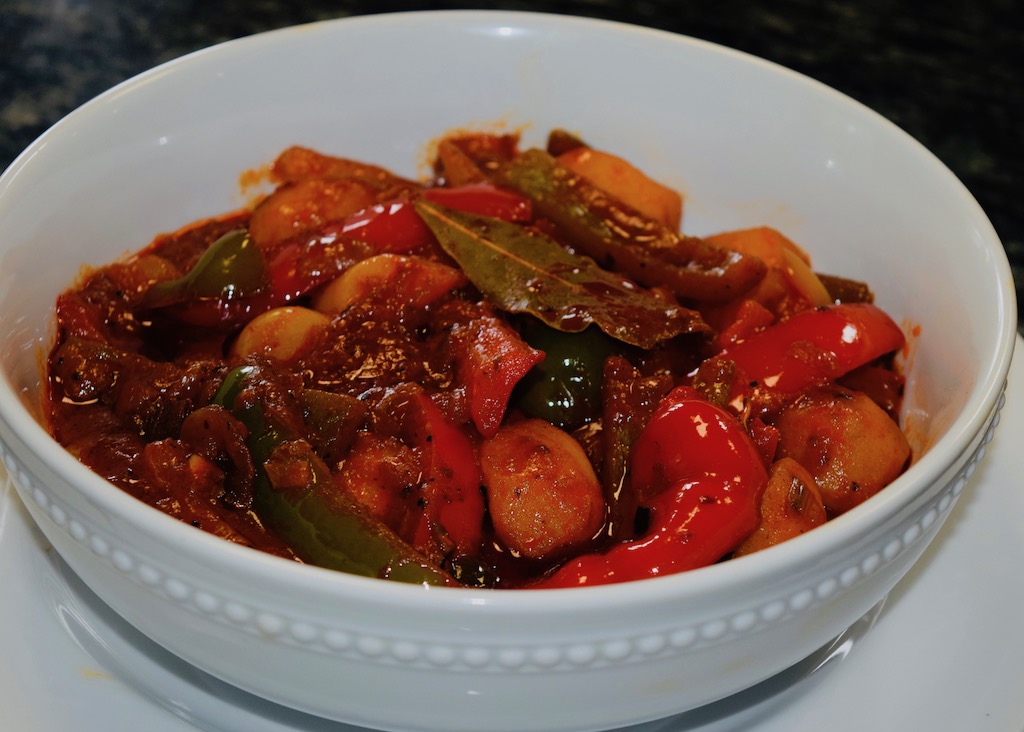
Simplicity of this potato recipe comes from the flavor base(handi) concept of cooking. You can make many different vegetarian dishes with the same base, which is an Indian version of French mirepoix, which turns out simple, elegant, and delicious dishes every time. Once mastered, a novice to Indian cooking would have conquered the process of curry making. This classic technique is the mother of all techniques. If this base is ready, you can make any vegetable, meat and vegetable, lentils and vegetable dishes by adding what ever your heart desires. Spicy food lovers should start with this idea and move on to become experts on cooking Indian food at home for the family.
4clovesgarlic, finely minced, or ½ to 1 teaspoon garlic powder
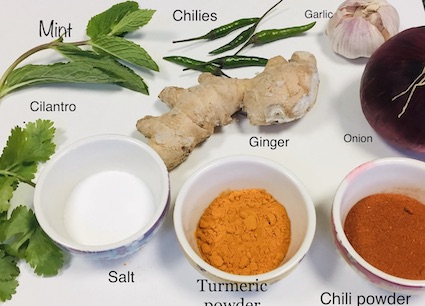
1Inch root ginger, finely grated, or ½ to 1 teaspoon ground ginger works really well
1teaspoonchili powder
½teaspoon turmeric powder
1 teaspoon salt
1½cupswater
4smallgreen chilies
1tablespoonfresh cilantro, finely chopped
Equipment
12-inch Cast iron skillet, or a saucepan
Method
Peel, cut, wash, and drain potatoes and set aside.
Heat oil in a cast iron skillet or a saucepan, add diced onion, ginger and garlic, chili powder, turmeric, salt, black pepper and ¼ cup water. Bring the contents to a boil.
Stir to mix and lower heat to the lowest mark on your stove, cover and cook until onions are very soft.
Remove cover, increase heat to medium high and stir fry contents until oil starts to separate from the onions. Add potatoes stir to combine, then add 1 cup water cleaning the sides of the saucepan. Cover and cook on medium high heat until the potatoes are tender.
Increase heat slightly and cook the contents to thicken the sauce.
Sprinkle remaining ¼ cup water, chopped cilantro and green chilies, and let it simmer covered for fifteen minutes and turn the heat off. Serve with rice or bread.
Indian food, and especially vegetarian recipes are at the height of popularity. Although meat is considered and desired as a quintessential ingredient amongst non-vegetarians, It is renounced and rejected by the vegetarian population globally, and especially by vegetarians in India who follow a strict vegetarian diet for centuries. Now there is a branch which calls itself vegans. Though the difference between the vegetarians and vegans seem a little murky, vegetarians don’t eat animal meat, but they eat animal products such as milk, dairy, and eggs. Whereas vegans stringently stay away from both animals and animal products, because of their health concerns, and moral concerns of harming animals.
At one time vegetarian dishes in India were for everyone, whereas meat, poultry, fish, milk, cream and butter was enjoyed by non-vegetarians. But with the shrinking of the globe through international travel and advances in communications, foodies have developed an appetite for a variety in food, and vegetarian dishes claimed a large share of that. There is a delicious, and amazing array of vegetarian dishes that have gained popularity world over.
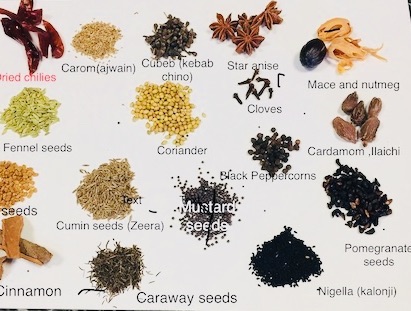
Lot of vegetarian dishes are flavored with herbs and spices. Herbs are used for their green parts, leaves and stalks, and are used freshly chopped either as one of the ingredients, or as fresh garnish which is inviting and appetizing with their vibrant colors and texture. Some of the commonly used herbs in Indian cooking are cilantro (both cilantro and coriander seeds come from the same plant. Cilantro is the name for leaves and stems, and coriander is the name for dried seeds), mint, and dill to name a few. Most commonly used spices are coriander, cumin, mustard, nigella seeds, sesame seeds, poppy seeds and many more.
As you see, there is a whole spectrum of spices to choose from to make immense variety of dishes from all different regions of India. Indian cuisine also has a flavor base like the French mirepoix, Spanish sofrito, and Cajun trinity. mirepoix is a French flavor base made with onion, celery, and carrots diced and cooked in oil and butter until it turns to mush which imparts deliciousness to the planned dish. When it is ready, vegetables for the final dish are added and cooked with needed seasoning and garnishing. The same principle is applied to Cajun, and Spanish flavor bases only with some differences in combinations of aromatic vegetables.
Indian flavor base works on the same principle but I am not sure if there is a name for it but all my life I have heard it referred to it as a handi. which meant that diced onions, ginger and garlic paste, red chili powder, turmeric powder, salt, and oil or ghee are slow cooked in a covered pot until very soft. This base is then used to make a variety of vegetarian dishes such as curried potatoes, beans, eggplant, okra and many other desired side dishes. You can also add tomatoes to the base ingredients to make it more saucy and tangy. As in any kitchen, in my kitchen, I use a lot of twists by adding and removing ingredients to develop recipes and turning cooking from a chore to a passion. This way my food is more appealing, interesting, and exciting for me, and I get more ahhh’s than meh’s for my effort.
A wise chef once surmised that only a few handful of recipes exist in the world-all else is simply a derivative of a “mother” recipe.
Many use this same base to create recipes with meat and vegetable combinations, mixture of different vegetables, lentils and vegetables, and the possibilities are endless. My next post curried potato recipe which is created with this mother of all recipes, a simple, balanced flavor base and is hugely popular with young and old alike.
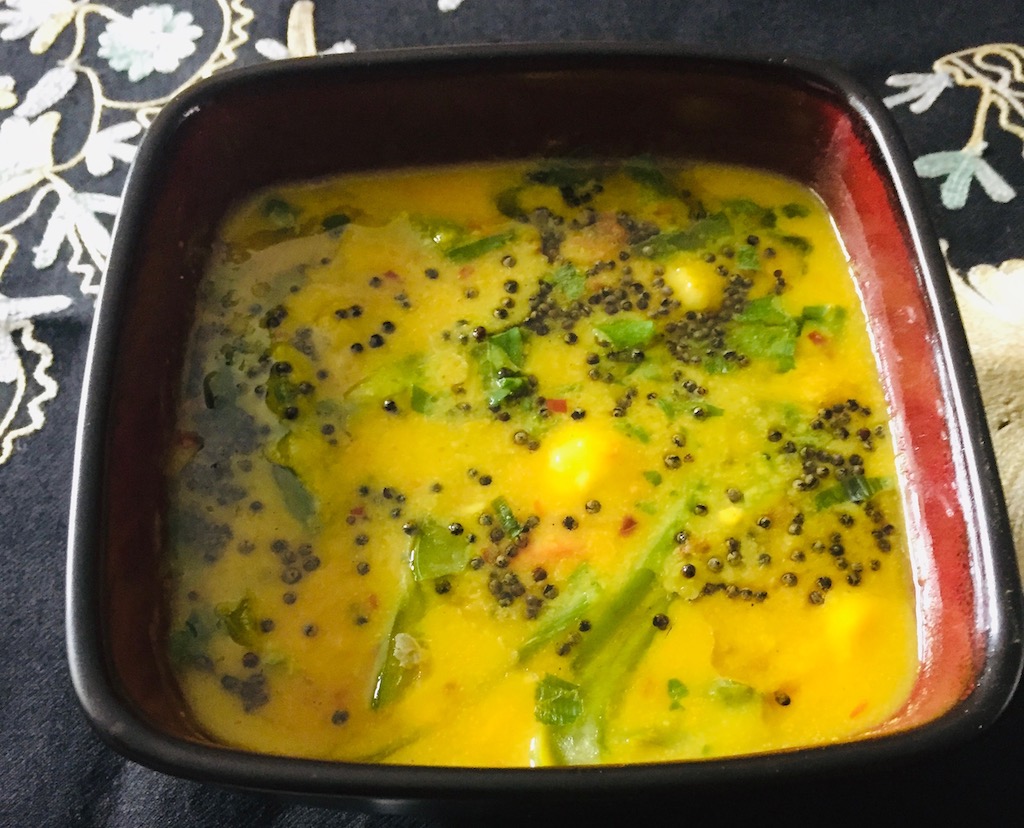
I had never tasted Bengali style vegetable daal until we were in England in 1965. I became friends with a Bengali doctor, Bella Das, who worked at the same hospital as my husband. She and her husband both were doctors. and lived in our neighborhood. We became family friends. And I learned a lot of Bengali dishes "sweet and savory", from her. Bengali style daal with vegetables became my favorite. This recipe was not in our repetroire in Hyderabad. It is delicious, filling and easy to make. It is like a staple which we eat with rice which is another staple food in India.Her dishes kept me connected to Bengali food. When we move to the States, we ended up in western New York. I went to Alfred University, where I met a lot of young Bengali students. They were young and were very happy to have us as their family. They spend weekends with us and shared the cooking with me. They cooked Bengali food for us giving me time off from some of the weekend cooking. Here is the recipe for Bengali daal with vegetables.
1teaspoonginger/garlic paste(you can use powdered ginger and garlic ½ teaspoon each, because it is strong)available in Indian stores
½teaspoon cumin powder
½teaspoon sugar
1teaspoon salt
3cups water
¼cup green peas
¼cup carrots cut into discs
¼cup green beans
1Romatomato, finely chopped
2small green chilies
1 tablespooncilantro, finely chopped
Thadka, or Tempering
3tablespoon oil
½teaspoonmustard seeds
2driedred chilies
Method
Wash and drain daal well. Add some fresh water to cover daal.
Add crushed pepper, turmeric, ginger/garlic (you are using), cumin powder, sugar and salt. Stir and cook until daal is very soft. Add 3 cups water and stir to mix.
Remove from heat and blend by using a potato masher or a blender. This daal is textured rather than very smooth; therefore stop blending when it is slightly coarse.
Return to heat and add peas, carrots, beans, and tomatoes. Return to heat and bring the mixture to a boil, reduce heat and cook for 25 to 30 minutes on low heat or until all vegetables are cooked but not mushy.
Add green chilies and cilantro and cook for another 5 minutes.
Meanwhile, heat oil in a small saucepan, add mustard seeds and let them splurtter. Add dried red chilies and brown lightly shaking the saucepan for even browning.
Transfer prepared daal to a serving bowl and pour the Thadka ( spiced oil on top).
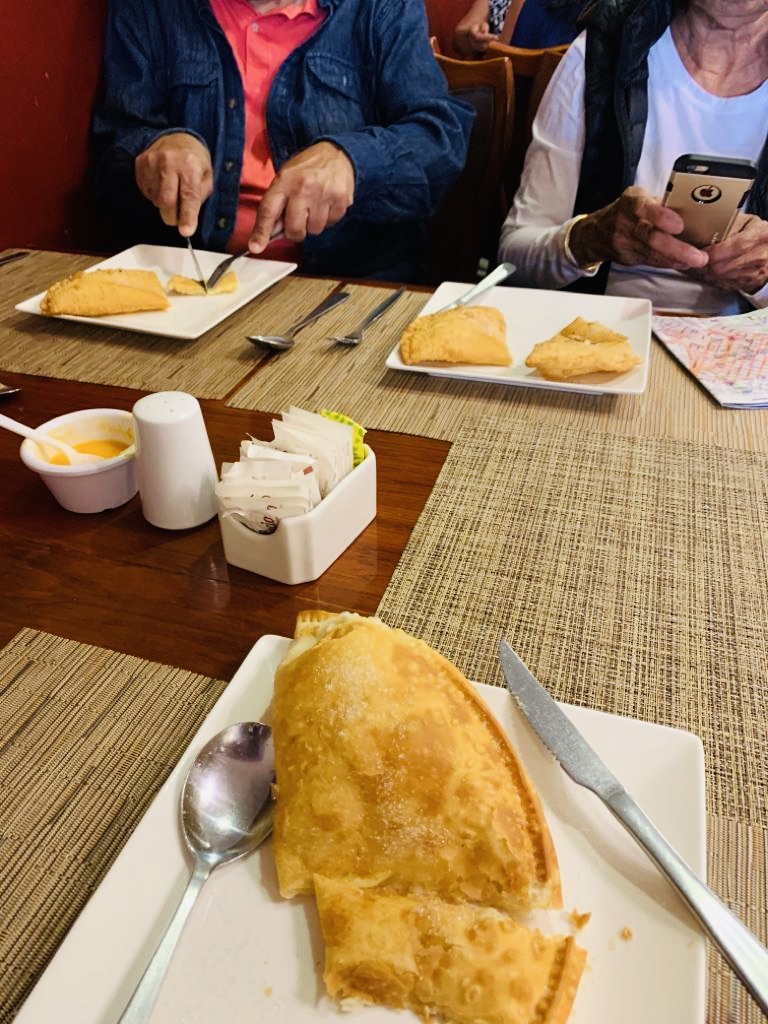
Ecuadorian Cheese and onion empanada are very different from the meat empanadas we are familiar with.We had this light and airy empanadas with a stingy amount of filling inside, sprinkled with granulated sugar as they come out of hot oil. A delightful snack with our mid-morning coffee in a restaurant in Quito’s Historic center. It was quite delicious.
In a large bowl, add flour and salt and whisk to combine.
Add cold, diced butter and use a pastry cutter to cut the butter into the flour until the mixture is crumbly.
Add milk and make a dough adding extra milk if need be. Dough should be firm. Knead the dough until the dough is smooth and silky. Make a smooth disc and wrap it in parchment paper and refrigerate until ready to use.
Meanwhile, cook minced onion in a frying pan over medium heat until it is fragrant. Remove from heat and let it cool.
Add room temperature onion and grated cheese to a bowl and stir to mix until well combined. Set it aside.
When ready, remove the dough from the refrigerator and let it soften. And then knead well to soften and make it pliable.
Roll the prepared dough into a long, thin sausage roll. Cut into equal size portions, though each portion big enough to be rolled into 6-inch diameter round.
Place one tablespoon of the filling in the middle of the circle.
Lightly brush the edges of the circle with a wet brush.
Fold the circle in half and seal and crimp the edges firmly to prevent the filling from leaking out.
Deep fry in 350-degree oil until light brown. Remove and sprinkle generously with granulate sugar, when right out of hot oil.
They should be crispy and delicious.
Notes
You can use any desired filling in desired amount for variation. Same dough recipe can be used for any empanadas. I think the secret to making them crispy is to use milk to mix the dough, knead the dough to soft and silky, and roll them thin.
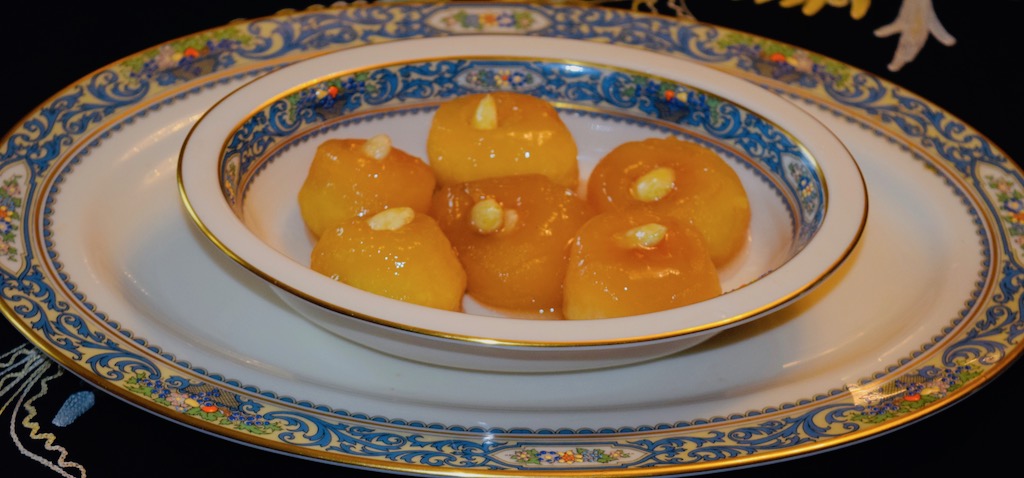
This apple dessert tastes as delectable and exotic as it looks. A little time consuming, but very simple to make. I assure you it delights your palate as well your soul.
10 smallGala apples or any firm, fresh apple workscrab apple is recommended
1½cup granulated sugar
1cup water
½freshjuiced, and strained
10 almondsblanched and peeled, more if needed
Method
Core and peel apples but leave them as whole. Rub each one with barely a drop of lemon juice to prevent browning. If you put them in acidulated water, apples will absorb water which will be released while cooking, making the cooking process longer and making apples mushy.
In a large pot or a wok bring sugar, water and lemon juice to a boil. Lower heat to simmer and cook stirring until the sugar is competely dissolved. Continue to simmer for a few more minutes.
When the sugar is dissolved, and liquid slightly reduced and brownish, add prepared apples and bring it back to a boil. Lower heat to simmer and continue to cook.
Shake the saucepan gently and stir carefully,on and off, to brown apples on all sides. Give apples gentle turns every so often with great care, while spooning the syrup on the surface of each apple for a glossy amber finish. When ready, about 45 minutes,(may be a little more or less) and apples are tender (al dente), not mushy, remove from heat and let them cool in the syrup.
Arrange on a platter to serve by putting almonds in the cored opening of each apple. Depending on the size of the opening, you may need more than one.
Serve one apple per serving and drizzle some of the extra syrup over each serving. Can be served with whipped cream, ice cream or any other dessert if so desired.
Follow:
Welcome
Welcome to my blog. Feel free to check it out and leave me a comment, if you find something interesting.